It’s the map for figuring out how you’ll make content with real know-how, pick where to send it, and check if anyone actually cares—so other businesses notice you, believe you, and eventually, wire money for your software or service. Lead gen, a sharper profile, arms for the sales bench—everything’s built to pull the right lever for revenue, not just to keep the marketing train rolling. A solid B2B content marketing plan isn’t just another document kicking around your files. Forget tossing out loose blog posts or dull LinkedIn drips—that’s just noise in the system. Their content ties back to a pointed goal.
Buyers spot wobbly brands fast. Revenue shuffles sideways, or nowhere at all. That LinkedIn post says one thing, your website argues another (for the most part). Confusion breeds doubt, and doubt cracks the sale. Messaging that jumps around loses people. And when there’s no clear plan holding the threads together, sales folks work with scraps—trying to patch together a journey with holes big enough to drive a truck through. Teams guess at what’s working, because there’s no single scoreboard tracking real ROI. You pay for activity, not impact.
So, how do you stitch together an effective B2B content marketing plan? It starts ugly—blank doc, blinking cursor—but moves fast. Pin down markers to measure wins and misses. Walk piece-by-piece through the buyer’s research slog, from first Google crawl to final contract scrawl. Miss this step, and you’ll probably see it in headaches like these:
Deals die on the vine: prospects either mistrust your name or plain can’t find what they need, so the competitor gets the nod.
Someone’s sweating over content that lands with a thud—no shares, no links, ghost town.
Budgets balloon, execs blink, no one sees the point—can’t tie dollars spent to dollars earned.
Marketing cooks up one story, sales walks into meetings with another.
Try to roll out the same plan in a new market or launch a fresh product.
A written, living plan means you don’t just crank out posts, you build a drumbeat. Give the whole crew—writers, closers, boardroom chiefs—the same recipe. Assets become ammo for the sales pitch, tools for the customer team. Campaign metrics don’t vanish into smoke; you track every uptick or pothole back to real money in, real pipeline growth. The Content Marketing Institute spells this out: top B2B folks don’t win by shouting louder or spending flashier—they simply plan. A simple plan, in ink, outpaces last-minute chaos every time (roughly). In 2026, that’s the thin edge between regret and results.
Want to dig into the nuts and bolts—like how the best teams keep score, or the latest shift in enterprise content? Head over to the Content Marketing Institute. They break down the numbers and real stories from B2B leaders worldwide.
What Is a B2B Content Marketing Plan?
✅
Fact-Checked
Editorial Review
🧠
Expert Analysis
Sourced & Cited
🗓️
Updated 2026
Current & Accurate
Step 1: Set SMART Goals
Set goals that land — real things that matter to your business, not soft “thought leadership” fluff or wishful thinking about engagement bumps. It’s a checklist; you run each goal through it. Don’t let your B2B content marketing start with mush. “Win hearts and minds” won’t help anyone on your team know if they’ve won or lost or even what to do next. Tie every target to SMART: Specific, Measurable, Achievable, Relevant, Time-bound.
Specific: spell it out. No fog, no fudge room. “Get attention” is a dead end. A directive like “Publish four research-based case studies for R&D directors in the medical device world by March” stands out with undeniable clarity. There’s zero ambiguity about who, what, when, and for whom. Your team can feel the line.
Vague feelings don’t earn dollars. “Generate 100 qualified leads every quarter through downloadable whitepapers” gives you a scoreboard. Check your CRM, check your analytics, it’s all laid bare in numbers. Ignore metrics nobody connects directly to money changing hands — a thousand social likes don’t warm a single deal by themselves.
You can dream up “increase organic traffic by 500% in six months with a two-person team,” but you’ll just burn your people to cinders. Achievable lives in the real world. Instead, sober up: “Grow organic sessions by 25% per quarter with help from a freelance SEO and a new guide each month.” That’s ambitious — but not fantasy land.
Relevant sticks your content to business outcomes. “Double your LinkedIn followers” — does that cause demos, pipeline, deals? It looks shiny until you dig into it and realize you bought a hollow shell. Shoot for targets like “Drive a 15% jump in demo requests with an industry webinar series” or “Shorten the sales cycle on big enterprise deals by arming sales with custom use case PDFs,” each one tied to real business action. If it doesn’t tease out results that touch the bottom line, drop it.
Key Elements of an Effective B2B Content Marketing Plan
Time-bound draws a finish line and lets your team sprint; without it, the work drifts. Every project, every push needs a date: “Book 10 calls with C-suite buyers from financial SaaS firms by September 30, 2026.” You stir up urgency, you force priorities, and if you miss, you know it’s time to fix course, not fade the miss into the past just because nobody nailed you down.
When you stitch these together, your plan sounds like this:
Grow quarterly newsletter subscribers by 20% (from 5,000 to 6,000) by December 2026, and use ESP analytics to track it.
Deliver three downloadable eBooks for manufacturing leads, pulling in at least 75 qualified submissions each quarter.
Attain a 10% increase in marketing-sourced pipeline revenue every half year, flagged on alternative options dashboards.
Secure five inbound partnership inquiries from target ABM accounts using CEO-published LinkedIn posts by May 2026.
Check each one. The numbers pin them down, resources support them, deadlines hang in front of them, and every piece ties straight back to actual business levers. No arbitrary applause lines or “that’s just how we’ve always done it.” The only reason to build out a marketing plan at this level is to give your leadership answers — what will change by next quarter, or by next year, if your team succeeds.
SMART goals don’t stand off by themselves like stone monuments. They’re the axle rod for every wheel: your editorial calendar reflects the kind of content and how much, your distribution plan hones the right channels, and your team’s cadence reviews are tuned to the numbers that matter today, not last year’s ghost metrics. Progress checks drop in on regular schedules. You can see where you’re winning; you’re allowed to kill what’s not working before it cannibalizes the rest.
And when you bring in tools — project management or a fancy content marketing platform — this structure actually matters. A tool’s just a tool until you lock it to your real objectives. Look at Welcome, ContentCal, Kapost: every one lets you bolt strategic goals to campaigns in real time. Smart dashboards bring deadlines to the surface, track leads every hour, or crosswalk content tasks right to the quarter’s OKRs.
Choosing the Right Content Marketing Plan Software
They review the numbers every quarter, sitting with sales and customer success for all the color commentary the dashboard can’t show. If you let your content drift from pipeline metrics or customer retention goals, you’re a prime candidate for budget cuts and Q4 “reallocation.” Setting SMART goals is a weapon: it forces marketing to justify every blog, every guide, every dollar against return, not routine or old habits (by and large).
They slam the door on wasteful tangent projects and replace aimless effort with real, measured progress. It’s baked in from start to finish — SMART at kickoff, SMART in the quarterly review. Check CMI’s playbooks or any enterprise content strategy guide and you’ll see the same baton banged against the table: SMART goals push leaders and content teams onto shared ground. That clarity’s not luck.
Next comes the meat: how your SMART goals dictate what types of content you should actually make, where you send it, and the campaign themes that have to anchor the quarter. That’s where real impact — and ROI — finally show up.
Step 2: Understand Your Target Audience
If you want content that rings up actual dollars, you need a sharp, gritty sketch of who’s on the other end reading it. Money burns straight through budgets and leads fizzle for weeks or months. Rich, honest personas let you cut through that fog—now you aim your effort where people are actually hunting or making decisions.
That list has to go beyond job titles or company size. Strong plans include: The first step: what do you track? That barely scratches the surface.
What does the job look like day to day? Not just the label—the actual grind.
Which hands hold the budget and write the checks?
Firmographic details: which industry, how big, revenue band, region.
Sharp problems—what blocks their growth or messes with daily ops.
Targets or KPIs that shape a “win” for them.
Buying triggers—events or numbers that push them into buying mode.
Worries, roadblocks, and warning signs that halt deals.
Where they tune in for news or tips—LinkedIn, rival tools, Reddit, trade journals?
A skinny persona misses at least half. Complete docs pin down each angle. It’s bulky, sure, but every layer arms you for smarter messaging and sharper content.
Where B2B Persona Data Actually Comes From
By 2026, that won’t fly. Copy-pasting a generic template or recycling the same “cost savings” problems that every Gartner deck pushes just locks you into the herd. Top teams dig with a mix of nitty-gritty, first-person interviews and cold data pulls:
Deep-dive Interviews: Block out 30 to 45 minutes. Call real buyers and even folks who dumped you. Let them get into frustrations and wins and how they value products.
Sales and Client-Facing Team Feedback: Those reps see it all—excuses, objections, what makes a deal go dark. Run feedback huddles, pry out stories, press them for concrete, not vague, examples.
CRM and Pipeline Data Mining: Your CRM’s stuffed with deal notes and objections. Segment deals: closed/won, lost, deal size, time-to-close. Pin patterns by role or pain point. Too often, it’s a graveyard of untouched detail.
Content Engagement Analytics: What does each cohort actually click on, read, share, revisit? Feed-level and session-depth give you truth—not theory—about what resonates.
Industry Reports and Third-Party Surveys: Anchor your personas with hard data — benchmarks, whitepapers. Still, don’t let external studies drown out your own findings.
Win/Loss Analysis: Don’t skip after a deal wraps. Debrief—what worked, what didn’t, why “no.” This is gold for spotting blind spots or weak assumptions.
Most teams let stories from sales overrule hard data. To build a B2B content marketing plan that clicks, you need notes, awkward conversations, and a live spreadsheet where “what did we miss?” becomes a ritual. That’s where the pros separate from the crowd.
Turning Raw Persona Data Into Usable Profiles
Forget glossy slides with a stock photo and two-line bio. The teams crushing it in 2026 sketch profiles that go way deeper than “CMO at mid-sized SaaS company.” Usable personas cover:
A one-liner that’s plain and punchy: “Director of IT trying to cut cloud costs without risking compliance.”
“Day in the Life” write-ups, showing friction, priorities, interruptions.
Real quotes from honest interviews—straight from the source.
Step-by-step journey map: who influences, what materials show up first, what tips the scale.
You’re not done until someone outside your team could guess what this person would skip, read, or debate with your product manager over coffee.
Real Workflow Integration Beats Static Docs
They belong inside every single content workflow, every editorial calendar, every planning session. Each campaign, brief, or draft gets tagged by persona. If you want your plan to run full tilt for all your buying committee, bake persona info straight into your content management tool—CMS, spreadsheet, whatever.
Build filters. DivvyHQ and ContentStudio let you add persona tags right in your editorial flow—tips and old content pop up automatically. When you crack open the next quarter’s calendar, you should see at a glance which personas are overloaded — missing love—if all you have is a dusty 25-page strategy PDF, you missed it.
Quarterly reviews with your sales and strategy leads keep things fresh (in most cases). You’ll spot shifts—maybe new competitors, maybe exec turnover—before blind spots grow roots.
Persona Pitfalls and How to Dodge Them
That happens when someone leans too hard on templates or outsources research to an agency that doesn’t dig. Plenty of B2B teams phone it in with half-built personas. Where it all falls apart:
Overusing vague problems, like “needs ROI”—they crumble in real sales calls.
Skipping interviews with lost deals—the ones with actual, blunt feedback.
Missing split paths: what technical buyers want isn’t what financial sign-offs need.
Letting docs stagnate after layoffs, product pivots, or market swings.
Burying personas in slide decks and never tagging live content again.
Now your plan stands out. The “How to Create an Effective B2B Content Marketing Plan” means you stop guessing and start actually closing deals.
Why Deep Persona Work Drives Better Content ROI
They catch friction before it’s friction (in plain terms). Content keyed to well-built personas moves with speed. That triggers more demos, more trial runs, faster deals. Lose time on fuzzy personas and your nimble competitors eat your lunch.
Treating audience insight as a one-off annual task is a money pit. When you nail this step, you can measure, fix, and scale that impact (more or less). The difference between a team writing for avatars versus actual buyers is obvious. Audit after audit: sharper personas yield content pulling in 3–5x higher engagement. That’s Content Marketing Institute’s numbers talking. It shows up on the ledger and in the pipeline.
Teams breaking into new markets or wrangling hybrid models have to get granular—down to the source. CMI’s benchmark research backs it up. All demand persona research that stays live. Annual reviews can’t handle it.
That’s how a real B2B content marketing plan gets teeth—and earns its budget. No shortcuts, no ducking the hard questions, no shelfware.
Step 3: Develop Your Content Strategy
Nobody wings content mapping in 2026. B2B buyers want laser focus—show them something off their path and you’ll vanish. Then march each one through the funnel: Awareness, Consideration, Decision. Don’t let a killer whitepaper designed for early browsers sneak into the hands of a buyer hunting for pricing—timing shreds its value. A misfire hides your best work in the bin (broadly speaking).
Awareness eats up surface-level blog posts on hot trends, quick explainer videos, and speed-read infographics. Break it down by stage. Your only shot here: teach, don’t pitch. You need trust, not leads—at least, not yet. Demos, case studies, and step-by-step guides do the heavy lifting—answering “Does this actually work?” and “Who’s already done it?”. At Decision, nobody wants fluff. Bring playbooks, live ROI calculators, even integration checklists. Buyers want ammo; you supply proof.
Here’s one gritty sequence: It’s not a guessing game.
Raw blog posts zeroing in on buyer pain (Awareness)
Analyst deep-dives into new solutions (Awareness/Consideration)
Live “teardown” webinars with chat open (Consideration)
Sharp client stories (with hard stats) (Consideration/Decision)
Product walkthroughs or down-and-dirty cheat sheets (Decision)
Force every piece to earn its keep. Make every blog push a newsletter sign-up. Track whitepaper downloads—they’re your retargeting targets for demo pitches. Funnels built in 2026 look like a crowded subway map, not a pyramid—each asset has to win leads, teach, or both.
Generating Winning Content Themes and Topic Ideas
Ever seen a killer topic fall from the sky? Neither have I. Grind for them: interview customers until you’re tired, squeeze your sales crew for raw questions, and forget alternative options noise. Run quarterly surveys where no one holds back. Every unseen objection becomes a headline, not an afterthought. Get search data straight from the source—hook your planning tool (like comparable services, Kapost, or ContentCal) to catch real buyer queries, not just marketing lore.
The smart way: choose the big campaign (“Zero Trust for Distributed Teams” for a 2026 security firm), then slice it for actual questions—expensive remote hire slip-ups, costs when you fail, or the worst compliance mix-ups for SaaS. Build themes first or drown in details. Do it fast, working back from broad to razor-sharp. Trend → question → draft.
Keep your backlog open and alive. Use other solutions, comparable services, or comparable services—with templates that bark out deadlines, owners, work stage, and funnel slot. No one on a sharp team stares at a blank page: every month, you ruthlessly rank new ideas by search volume, stage fit, and which got retweets. The best campaigns are built; chance flops.
Consistency: Brand Voice, Style, and Authority
Lose your voice and readers drift. Graders like Grammarly Business or Writer scan for outliers and flag noisy drafts before anything hits your CMS. It’s not just grammar; bots and buyers both crave consistency. Set your tone in stone—a whitepaper should echo the punch of your LinkedIn post. Build a style guide that’s actually used, not just filed away: banned buzzwords, sentence target lengths, approved industry lingo, Oxford comma stance spelled out.
Rotate writers, but don’t let editing float. Pin all reviews to one lead editor so every piece—blog, case study, checklist—carries your unique thumbprint. See competing platforms: the team turns over, but one person guards the voice. In Google’s 2026 update, sites dropping tone or rhythm sink fast—algorithms sniff out the static and trust evaporates.
Balancing Depth and Action
Whitepapers north of 2,000 words. For every epic piece, shell out five short spinoffs—300-word exec summaries, bite-sized demo videos, yes/no polls, TL;DR cards packed with insight. Cross-link these everywhere: “Download the close look or hit the 90-second recap.” Researchers dig long forms; decision-makers race to highlights.
Route quick takes through LinkedIn, bigger slices by email, anchor references on your official blog. Don’t mistake “short” for “lightweight.” A technical onboarding runbook, checklist, or live widget can be tighter than a tweet and pack way more punch than a soft blog. Your B2B Content Marketing Plan is built by pairing heavyweight content with snackable bits mapped to what buyers ask right now.
Tag 2–3 content formats for each funnel stage
Build quarterly campaigns by scraping actual buyer feedback
Run a live, enforced style guide with checks at every handoff
Pair monster content (pillar pieces) with fast, practical assets
Teams that build like this skip the revision graveyard. Growth tracks up—not sideways—when every single touch echoes your brand, whether it’s a webinar, a “how-to” card, or an anchor post. Scan the Content Marketing Institute’s annual B2B research for 2026—the benchmarks show journey-mapped, audience-aware publishing wipes the floor with shotgun output and bland top-ten lists in every B2B sector.
Workflow beats inspiration in the boardroom every single quarter. Strategy multiplies everything you make.
Step 4: Select Distribution Channels
You can write the perfect case study or guide, but if it sits untouched in the dusty corner of your website, zero leads. Doesn’t matter if it’s genius. Marketers worth their salt don’t scatter everything everywhere and hope — they pick the channel that fits, shape the message to match, then watch results (generally). Blanket coverage is a trap.
LinkedIn rules B2B for finding partners, clients, and showing authority. Long articles with clear lessons, case studies packed with proof, and practical guides grab attention. Drop in clean visuals, toss hashtags—don’t forget them. Speak directly to engineers, execs, or whoever’s actually reading. That’s how LinkedIn’s algorithm gets busy and shows your post to more professionals. Static images? Fewer clicks than carousel posts. Uploading PDFs or slide decks natively keeps readers glued to the platform; LinkedIn likes this. Videos perform, but only when sharp and brief. If it rambles past two minutes, most scroll away.
They house the people who care about metrics and real-world results. Industry publications and trade journals (at least usually)? Targeted content here should skip fluff. You start with a bold claim, a rare metric, or a tough nugget. Citations and charts boost your punch—readers want proof, not promises. Each trade outlet lists reach stats, impression counts, and click rates in their media kit. Hunt for the ones that hit your exact buyer persona. If you run a CTA, aim for gated downloads or a webinar invitation.
Search traffic, email list growth, authority—it all grows here. The company blog is your own territory. Long guides, deep research, focused lessons, these bring in visitors and push up rankings. Each post needs clear section breaks, anchor links for skipping around, and at least one CTA: signup, demo, downloadable tool. Use built-in analytics to flag which articles actually pull traffic and which ones lose readers in seconds. Writing for your blog isn’t just storytelling; it’s strategy. Slip in keywords naturally, break content up for easy scanning, and always leave readers with a usable takeaway.
Even with crowded inboxes, it’s gold if you get through. Email newsletters put your message right in buyers’ inboxes. Winning teams send tips, industry news, sharp summaries, not endless blocks of text. Snappy subject lines sell better than clever jokes. Segment your list—by buyer stage, field, problem. Send different versions, A/B test for best results (more or less). Never bury the most important offer halfway down. Put the key info up top where it gets read.
Step-by-Step Guide: Building Your B2B Content Marketing Plan with Software
Paid media — it’s expensive, but fast. Sometimes organic reach isn’t enough. LinkedIn Sponsored Content, display ads on trade sites, retargeting, these let you aim for specific job titles or industries. Make assets small—quick infographics, one-sheet guides, or short videos with a direct CTA. Test messages for each audience and toss campaigns that don’t deliver actual leads. Vanity traffic is worthless next to sales-qualified prospects.
Tips for Adapting Content to Each Distribution Channel
Look at each channel’s highest-performing content. Your blog stuff isn’t ready for LinkedIn straight out of the gate.
Switch up terminology and tone for the audience. A wild quote might work on X (Twitter) but needs context in a trade journal.
Chop up long guides into carousels, quote graphics, or 90-second video clips for LinkedIn and paid platforms.
Make headlines sharp and data-driven—search headlines won’t always convert in newsletters. Tools like CoSchedule’s Headline Analyzer let you test options.
Pick channel-specific CTAs: “Download whitepaper” for LinkedIn, “Book demo” on your blog, “Read more” for trade mags, custom offers in newsletters.
Use UTM codes and short custom links to track performance. Pinpoint where each lead actually comes from; don’t settle for last-click guesses.
If that’s you, choose tools that automate posting across channels, track engagement separately, and let you A/B test before launching. Some teams rely on software to handle content distribution. The best setups link campaign timing, social listening, analytics dashboards, CRM data — squeezing more juice from every post.
Build your distribution mix right, and How to Create an Effective B2B Content Marketing Plan turns into a lead engine instead of a pamphlet. Adapting format and strategy for each channel’s quirks—their culture, their audience—pulls your message farther and faster than letting the same post drift through unnoticed. The platform matters, but making it fit is what sends your content flying.
Step 5: Build an Execution and Promotion Plan
Plans alone never moved a needle. Unassigned tasks and empty calendars gather dust, not leads. If your B2B content marketing plan clings to PowerPoint slides instead of showing up as deliverables and named owners, don’t even bother counting on results—or even progress. Optimism doesn’t keep deadlines; clear workflow does. Most content plans collapse because nobody mapped them into daily work.
Your whole operation orbits the editorial calendar. Think of it as a control panel, not paperwork—it runs every article, whitepaper, or webinar, anchoring them to bigger events: product launches, campaign swings, those sales pushes that eat Q3 alive. List every deadline, publish date, revision round, and promo window here. Details are your oxygen mask.
“The team” is not a real person. Pick someone, put their name on it. Assign a single owner to manage deliverables. Swapping “team ownership” for a string of actual people kills blame games when stuff slips (and it will, if you leave ambiguity anywhere). Spell out who triggers the SME review of that tricky regulatory piece. Make design hand-offs explicit (in practice). “Everyone handles” spells disaster—jobs decompose into neglect.
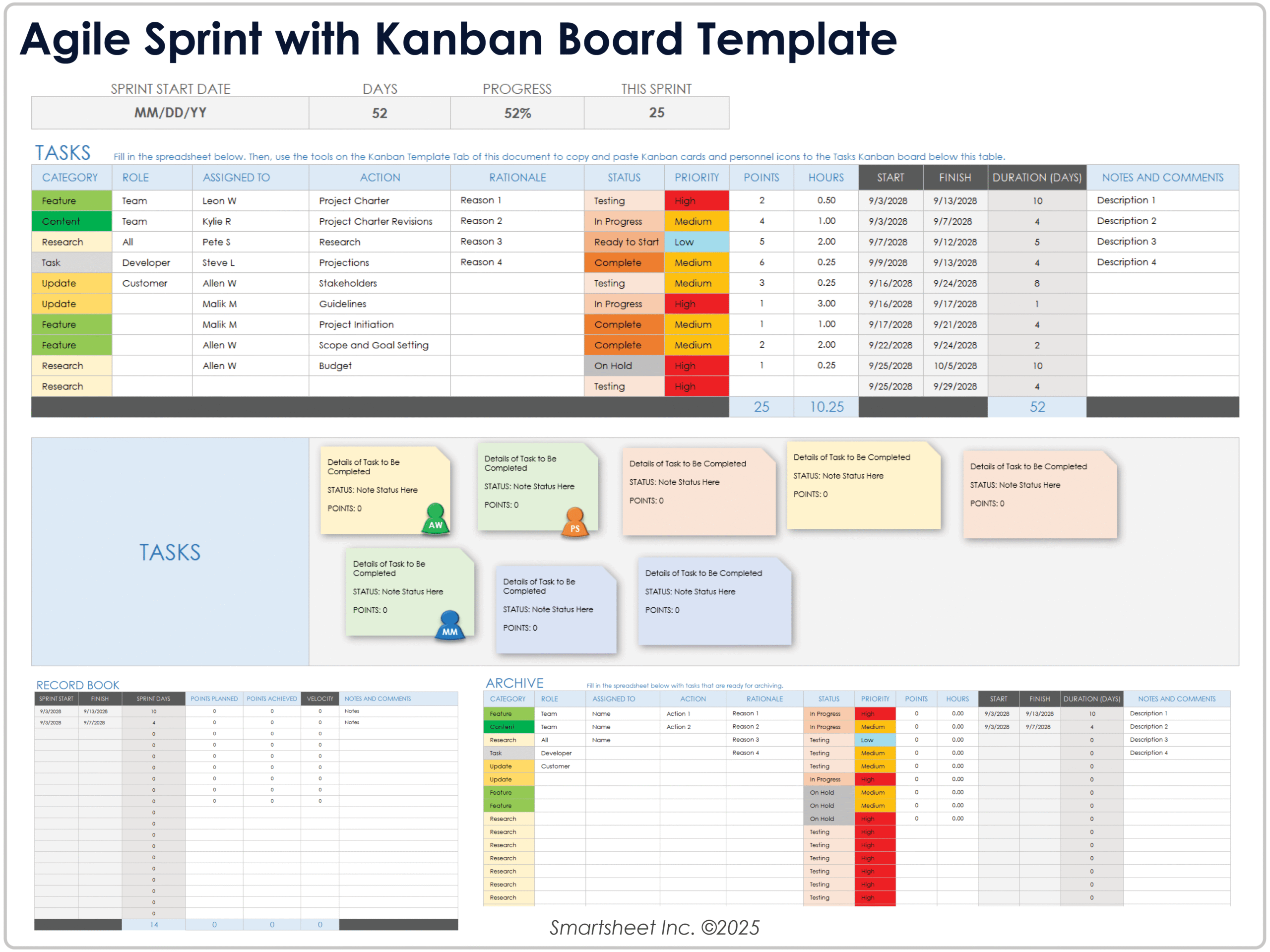
This is where “How to Create an Effective B2B Content Marketing Plan” stops meaning a blog post and starts meaning your daily workflow. If you repeat a step more than twice, lock it into a template. Topic ideation, draft reviews, approvals, distribution, every one—build and use checklists. Project management tools like competing platforms, Contentful, or rival tools.com pull this into one visible place, so nothing festers in someone’s inbox for two weeks. Drag and drop steps across boards. Configure notification rules: when a step finishes, the next owner gets a nudge, not silence.
Let automation do the boring parts. Systems push reminders to SMEs when deadlines rival tools, flag content for review, shift assets to the right social feed or sales enablement channel the second you approve them. Clarity here is not a suggestion. Teams hitting numbers in 2026 lean on platforms bundling calendars, dashboards, shareable content libraries—everything within arm’s reach. An old folder tree or endless email thread slows you down.
Integrating Workflow Automation and Project Management
Weekly check-ins turn up what actually matters in your pipeline—fresh customer questions, “what’s changed since alternative options,” and the objections burning up a field rep’s phone. There’s no “collaboration” unless sales, ops, and marketing share the same apparatus. Invite those people—your account execs, your front-line leads. Not quarterly—the rhythm should sound like news, not an audit report. Use their intel to spark topics; you don’t guess what buyers want when you can hear it in real time.
Get feedback in motion, not as post-mortem.
Help real project managers, not bystanders—they sort dueling requests, set priority, and draw a hard line under deadlines when debates get muddy.
Try these three moves:
Plant your workflow inside tools people live in—your CRM, other solutions, even WhatsApp, if that’s where action happens.
Schedule sales reviews as a fixed part of the publishing routine, not a panic button at the end.
Don’t hide that info in a Google Sheet nobody opens. If your dashboard tracks “done” but not “who’s sitting on this now,” you’re running blind. Show everyone what’s stalled, in review, or wrapped. Each task—notes, updates, anything—should hang off the project’s card or ticket so memory holes vanish.
Integrated platforms are how high-performers will survive by 2026. These collapse planning, doing, and seeing results into one page. Who owns the next step? What’s slotted for next other solutions? They’re almost always a pattern of miscommunication, not skill.
In execution, the B2B content marketing plan stops being a slide deck for the C-suite and starts breathing: workflows, owners, deadlines, all on the move. If you want to actually hit targets, your calendar is your newsroom and your war room—where the campaign lives and changes. Those folks know which deals close and what messaging cuts through. There’s more on how teams in 2026 run workflows and project management—Content Marketing Institute’s latest research breaks it down: see here. Without shared, strict execution, plans evaporate—the scoreboard remembers follow-through, not brainstorms.
Visual Templates and Sample Workflows
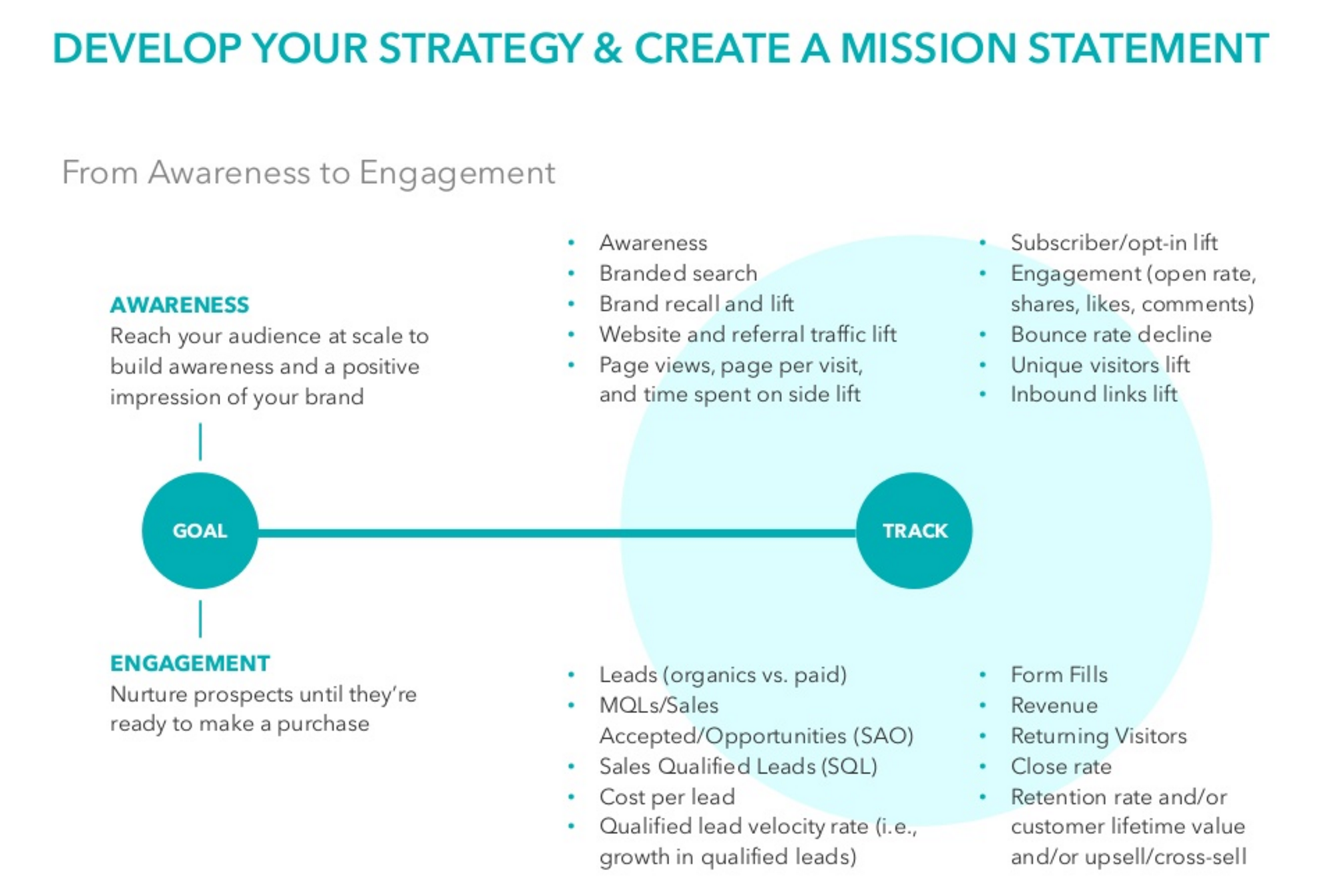
Without sharp, meaningful benchmarks, a B2B content marketing plan simply drifts (in plain terms). Start by locking in on the essentials: what to watch, how to judge, and how to tune the engine for more impact in 2026.
Core Metrics Every B2B Content Marketing Plan Should Track
Engagement metrics cut through noise better than volume alone. Track average time-on-page, bounce rates, and scroll depth for every key asset. These data points reveal whether your pieces are being genuinely read or just skimmed and forgotten. For gated content or lead magnets, watch the conversion rate from downloaders to qualified leads — not just vanity download numbers.
Lead quality beats raw inquiry volume in any credible plan. Submission form completion rate, account size distribution, and time-to-conversion all flag if your content is drawing the right business profiles. Tie each content resource to the SQL or MQL downstream. Use UTM tracking links from your campaigns to attribute incoming leads. If a whitepaper brings in high-funnel names that never reach a demo, that’s a sign to realign your topic or distribution channel.
Set up multi-touch attribution models in your CRM to map how many touchpoints each deal engaged with before closing. Revenue attribution stands as the toughest — and most valuable — metric, especially when building How to Create an Effective B2B Content Marketing Plan for a long enterprise sales cycle. You need to know which blog posts, webinars, or case studies keep showing up in closed-won journeys.
Team alignment depends on fast, specific feedback — not months-later opinions (by and large). Track feedback loops that matter. Build feedback mechanisms into the workflow:
Set up regular content review meetings with your sales team to surface what’s landing in the field and what’s falling flat.
Deploy periodic NPS surveys to active leads, asking which resources shaped their decision or gave them confidence in your offer.
Share dashboard access for live data with stakeholders to keep dialogue focused, not anecdotal.
Analyzing Results and Driving Course Corrections
Translate every metric into a question of “why” and “what next.” If time-on-page is solid but conversion rates lag, dig into form placement and CTA clarity. Raw numbers won’t improve themselves. If webinars have high registration but low show-up rates, adjust timing, follow-up reminders, or content framing.
Build custom dashboards to surface content performance by: Scorecards can reveal patterns over time.
Drop what’s not moving needles. Regularly review your content calendar and revise future topics based on these insights. Invest in the formats and subjects that correlate strongest with revenue-credited deals.
Getting Sales and Marketing Feedback: Closing the Loop
Weekly syncs with sales make or break the adaptation process of any How to Create an Effective B2B Content Marketing Plan. Come to those meetings armed with data, not just opinions, on content usage and lead progress. Ask which prospects reference particular resources in live calls (in practice). Gather direct stories about why some materials draw engagement while others flop.
For instance, if several SDRs report that a new one-pager helps close discovery calls, check whether close rates tick up among accounts that viewed it. Aggregate qualitative feedback and match it against quantitative signals. If sales pushes for more vertical-specific content, A/B test those pieces against your core library and measure the lift.
Record all feedback — wins, misses, and wishes — in a living document tied to your content backlog (by and large). That closes the loop between production and real outcomes.
Refining the Plan Over Time: Optimization Playbook
Static roadmaps die fast in B2B. Commit to quarterly reviews of your full content marketing plan with key stakeholders. Bring the actual performance data, campaign costs, lead quality, and sales feedback around the table (for the most part). Document what worked, what underperformed, and what outside forces (algorithm shifts, market changes) played a part.
Tag each test in your analytics suite, capturing engagement, lead quality, and ultimate pipeline movement. Run A/B experiments on headlines, CTA text, and content delivery channels. Shorten the feedback cycle by building rapid-edit sprints into your process.
Consider platforms that surface predictive trends: which topics are picking up steam in competitor campaigns, or what questions your prospects suddenly start asking during inbound chats. Incorporate advanced analytics and automation tools where they add clarity, not confusion.
Never let the plan ossify. The best B2B organizations operationalize optimization as a habit, not a quarterly chore. That’s the lever behind world-class content ROI and measurable sales alignment.
For a technical deep-dive on content measurement frameworks and up-to-date attribution strategies, the Content Marketing Institute’s 2026 Industry Report provides current benchmarks and methodology detail.
Case Studies: Success Stories Using B2B Content Marketing Software
The cycle: set, measure, analyze, refine. That’s how you keep your B2B content marketing engine running faster, farther, and with clearer payoff year after year.
FAQs About B2B Content Marketing Plans
Timeframe for Seeing Results from Content Marketing
Even if you post every Tuesday for months, using all the fancy content planning software money can buy, it’s just not that quick. You won’t see serious gains in three weeks. Most B2B teams spot a slight lift—more clicks, a handful of comments—between days 90 and 120. The big wave takes longer. Turning those clicks into sales-qualified leads, where you can actually trace a closed deal back to that fresh batch of content, usually takes somewhere between half a year and a year. Sprinkle in some real SEO strategy and connect your content machine to automation tools and that timeline may sharpen, but never drops to instant.
Typical Budget Ranges for a B2B Content Marketing Plan
Small teams scraping by on $18,000 a year patch together workflows with competing platforms and the starter pack from competing platforms. At the opposite pole, sprawling enterprise squads easily burn through $150,000 before December—especially after picking up licenses for every multi-seat platform in sight, like rival tools CMS or Contentful. That number’s not a sticker shock for them, just Tuesday. The trick isn’t picking the biggest software suite. The only way to craft an effective B2B content marketing plan is to map what your tools can actually do against what your budget can stomach—chasing reach alone shreds cash without results.
How Often to Revisit and Update the Plan
You can’t write this plan once and banish it to a shared folder. Review it every quarter—seriously sit down, dig for algorithm shifts, hunt for weird market moves, use real data. Each year, rebuild a bigger chunk: tackle outdated buyer personas, swap out your old content topics, shake up your channels. Some high-performing teams get even more granular: after every campaign, they run a post-mortem session (half war story, half stats dump), sometimes automating the drudgery just to trace what worked and what faceplanted. Skip these, and your plan turns stale fast.
Common Pitfalls That Sink B2B Content Marketing Plans
That’s how people get lost. Tracking junk metrics—or skipping the unglamorous step of documenting how things should run—leaves teams spinning circles. Drafts begin to rot in platforms that lock out teammates or bury templates behind endless clicks. If the tools miss open workflow, or if nobody can see what’s performing in real time, the whole plan limps. Smart teams pick tools that spit out clear analytics and run fast, brutal audits, rooting out bloat before mediocrity calcifies.
Must-Have Tools and Features to Support Effective Planning
Link these with CRM and automation tools, and watch results actually come in. Content calendar apps are the new anchor—and AI-infused planning modules stitch everything tight. Hunt for campaign templates that just work out of the box, dashboards that update as you type, tools for painting workflows or firing off automated reports. If you try to steer modern content strategy with scattered spreadsheets or software old enough for a museum, the wheels fall off. Invest here, or watch your best ideas sputter.
FAQs About B2B Content Marketing Plan Software
See what’s brewing in the Content Marketing Institute’s annual B2B report for 2026. Need to dig deeper into content marketing metrics?