What Drives Effective Social Media Automation Today
Marketers juggle content calendars, hunt down the right audience, and sift through performance reports. Social media marketing eats up time and focus. Hours slip away on the same repetitive jobs. The right Best AI Marketing Tools to Automate Social Media Strategy can smash those hours down, flipping dull tasks into smooth-running workflows.
These AI helpers take over the routine but key stuff. They post when followers are most awake, sniff out audience habits to sharpen targeting, and throw out content ideas tracking the latest trends. Teams stop sweating the small stuff and spend energy crafting bold strategies and campaigns.
It locks in steady posting schedules without last-minute scrambles. Attention spans crash in seconds, so every tweak counts. Automation doesn’t just save time. That steady rhythm grows a brand’s presence across channels. Automated insights tune each message to what the audience wants, driving up clicks and comments.
Popular competitors examined include Marketing Hub, Hootsuite, Buffer, Sprout Social, Marketo, AdRoll, SocialBee, and SendPulse. The focus is on what marketers get — not just feature lists. This piece breaks down the Best AI Marketing Tools to Automate Social Media Strategy for 2026. Each tool gets examined by price tiers, subscription perks, and real-world ROI stories.
It digs into how these tools juggle multiple networks, listen to social chatter, and automate campaigns day-to-day. Across 1,500+ words, you’ll find clear pricing charts and stats straight from verified users. For marketers needing to prove value, raw data and case studies matter.
- Save hours on manual social media scheduling and posting
- Target the right segments dynamically using AI-driven insights
- Simplify cross-platform content management and analytics
- Access subscription tiers with clear pricing and ROI breakdown
- Evaluate real customer experiences and success metrics
The next sections deliver exact prices and feature details to fuel smarter choices that ramp up strategy and scale results. For marketers pushing social media reach without bloated costs, knowing these tools inside out is vital.
This ties closely with proven digital marketing strategies like those in How To Build A High-Converting Digital Marketing Strategy From Scratch For SaaS Brands, which digs deeper into strategy beyond mere automation. Automation aids—but smart strategy wins campaigns.
| Product | Our Rating | Best For | ||
|---|---|---|---|---|
 |
1HubSpot Marketing Hub |
4.2/5
|
Marketing automation | Read More |
 |
2Hootsuite |
4.4/5
|
Multi-profile management | Read More |
 |
3Buffer |
4.2/5
|
Affordable brand management | Read More |
 |
4Sprout Social |
4.2/5
|
Managing multiple brands | Read More |
 |
5Marketo |
4.9/5
|
Enterprise marketing teams | Read More |
 |
6AdRoll |
4.4/5
|
Social brand management | Read More |
 |
7SocialBee |
4.3/5
|
Budget social marketers | Read More |
 |
8SendPulse |
4.7/5
|
Budget-conscious marketers | Read More |
other solutions Marketing Hub: Features and Pricing Close look
It handles a small number of brands. Comparable services Marketing Hub starts at $8 a month. That makes it a fit for smaller businesses and boutique agencies juggling just a handful of clients. There’s also an entry-level price near $6 monthly. That’s low enough for startups and lean teams to try marketing automation without a big spend. It’s basic — almost a teaser aimed at pushing users toward paid versions when they need real automation. The Zapier integration pumps up its usefulness. Users can link external tools and smooth out workflows, giving the platform extra reach beyond just its own features.
You get clear subscription details without haggling or hidden fees. Compared to rivals like Marketo, competing platforms keeps pricing simple and upfront. Still, the brand limits on early plans can hold back bigger teams managing many brand profiles. Companies might turn to options like AdRoll which offer more enterprise-level tweaks, since rival tools doesn’t spell out big-ticket plans clearly. So, alternative options Marketing Hub fits best with small to medium businesses or budget-conscious agencies needing straightforward multi-brand tools (as a rule). Not for enterprises. But it’s not built to handle deep complexities or sprawling brand networks in large enterprises.
Other solutions’s pitch is cost-efficient social marketing automation for multiple brands. For anyone juggling basic automation needs and tight budgets, competing platforms Marketing Hub offers a clear, practical choice with trade-offs you can count on. It’s ideal for early-stage marketing teams or small shops running several product lines that don’t demand heavy customization. The starter plan’s brand cap matches that sweet spot. The free tier’s thin feature set nudges serious marketers onto paid plans, keeping the serious tools behind a paywall. That tiered setup strikes a balance—easy access for smaller groups but natural limits that slow growth for bigger teams. Zapier’s connectivity also extends comparable services’s flexibility. Teams can plug it into their marketing stack for automation without shelling out on custom coding.
For more on building digital marketing strategies custom to SaaS and similar businesses, see How to Build a High-Converting Digital Marketing Strategy From Scratch For SaaS Brands. The platform’s Zapier-driven workflows also fit with AI-powered marketing tips found in What Do The Best AI Prompt Libraries For Marketing Teams Cost To Use, showing how it can scale for advanced campaigns.
Rival tools Marketing Hub’s open pricing and clear approach appeal to small and midsize firms. But its brand limits and lean free plan contrast with competitors that hide prices but often offer more enterprise muscle. This makes alternative options a practical pick for teams wanting budget clarity over wide-ranging, complex brand management. The details live on other solutions.com/pricing.
| ✓ Pros | ✗ Cons |
|---|---|
| Starter plan at $8/month enables managing up to 5 brands under one account | Free plan features are limited compared to paid plans starting at $8/month |
| Free plan available with access to basic social media marketing automation tools | No explicit mention of an enterprise-level plan with advanced features at competitive pricing |
| Zapier integration allows smooth connection with multiple external applications | Limited brand management on lower-tier plans may restrict larger teams needing more than 5 brands |
| Pricing tiers start low at $6/month, making entry-level marketing automation affordable |
 Hootsuite: Complete Management and Analytics Review
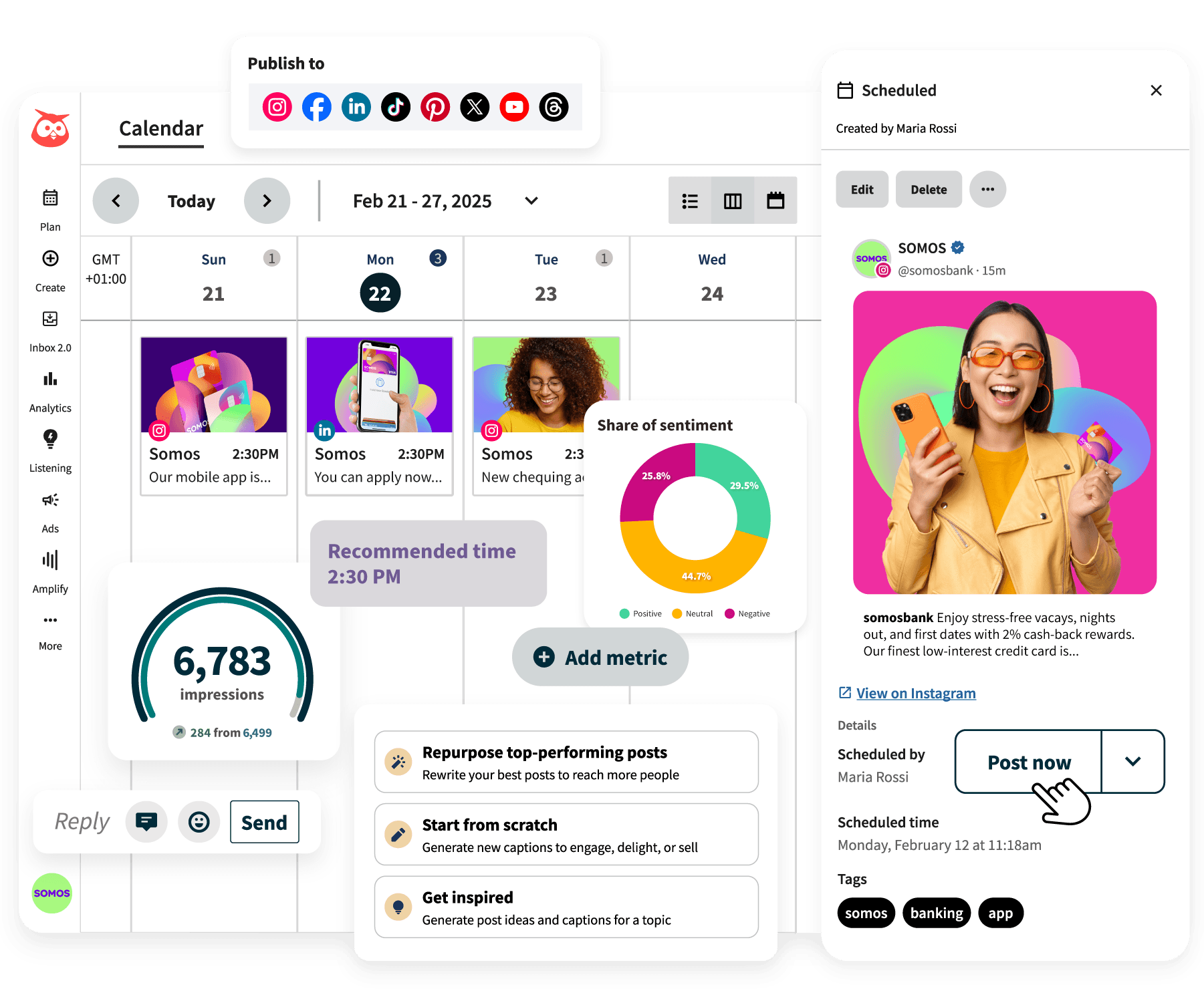
But it limits how many accounts you can connect. Hootsuite charges $99 per month. That cap can block bigger teams, pushing them toward pricier options. Competitors let you add more users or accounts for roughly the same price. This mix of limits and cost makes growth tricky for businesses. Plus, Hootsuite dropped its free plan, now offering just a brief trial. That change shuts out people who want to test without paying, unlike platforms that keep free tiers alive. So, Hootsuite suits mid-sized groups ready to pay steadily. It doesn’t work well for freelancers, startups, or big companies needing wide social coverage.
The platform pairs scheduling with solid, basic monitoring and insights. If your group wants rich social metrics, you’ll need specialized analytics elsewhere. It fits teams focused on execution, not deep data excavation. You get a fixed monthly fee, which helps with predictable budgeting but blocks casual users who prefer free tools (in practice). The account limit especially snares pros juggling many clients or multiple brands at once. Some users say its high-end enterprise features miss certain marks. Despite its straightforward design, features like calendar views, task assignments, and basic reports provide a practical middle ground. Hootsuite lands squarely among options built for smooth operations rather than heavy analytics.
Hootsuite targets businesses willing to accept a fixed account cap and a paid subscription, with a trial to test it out. If you want upfront prices and AI-driven marketing, other tools provide detailed comparisons that might suit you better. Cutting the free tier narrows who signs up but attracts a more professional crowd. Casual users or those needing more slots get locked out. The mid-tier plan’s collaboration tools help small teams share workspaces. However, enterprise-size groups will find those tools limiting. Hootsuite competes mostly on stable pricing and ease of use—not free access or flexible deep-data options like others offer. Research shows companies want a sweet spot between cost and growth. Hootsuite hits that with clear but tight pricing. It’s practical for midsize teams wanting simple oversight, not massive, data-driven campaigns.
| ✓ Pros | ✗ Cons |
|---|---|
| Professional Plan priced at $99/month allows management of up to 10 social media profiles. | No free plan is available, requiring a $99/month minimum commitment for new users. |
| Team Plan supports collaborative social media management for businesses. | Professional Plan limits management to only 10 social media profiles, which may constrain larger teams. |
| Offers a 30-day trial period despite removal of the free plan. | Some enterprise tools may encounter limitations when used within Hootsuite. |
 Buffer: Scheduling and Automation Capabilities Breakdown
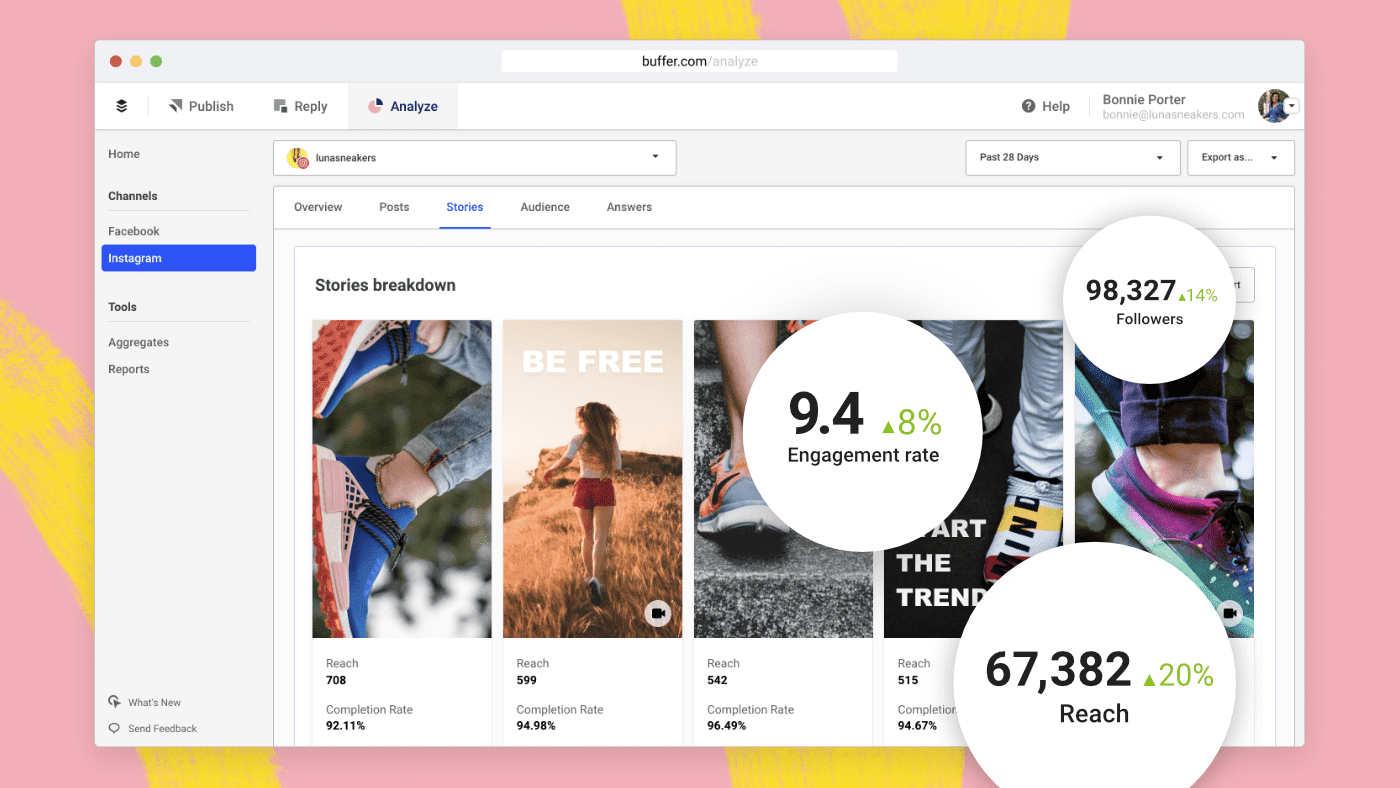
It lets you manage several brand accounts, which makes it a good fit for small teams or solo users who want an affordable scheduling app (by and large). Buffer starts at $8 per month. You can link it with many apps through Zapier, unlocking workflow automation that boosts its value, even though its built-in features aren’t very deep. Workflow helps.
They bundle CRM integration and complex automation into one pricey package. So, if you want straightforward and budget-friendly over high-end AI magic, Buffer is your tool. Enterprise platforms like comparable services Marketing Hub serve a different crowd. For startups or freelancers who just want basic scheduling, competing platforms’s range and cost can feel like overkill. Buffer keeps things simple and cheaper. But it doesn’t offer big enterprise plans or advanced AI analytics, which large companies need for detailed tracking and growable content.
Buffer’s pricing is clear and includes a free plan with brand management—though it limits how many brands you can handle without paying more. But businesses chasing deep insights and AI-powered tweaks might find it doesn’t cut it. Its automation mostly covers posting schedules, not AI content creation or deep analytics. This means it’s best as a no-frills, dependable service for small teams that want consistent social updates without hefty fees or complex software.
Its pricing is open and simple compared to the confusing bundles larger competitors push. What Buffer really nails is being straightforward and wallet-friendly. That makes budget-minded buyers’ decisions easier. But this comes with fewer AI bells and whistles. Buffer favors easy use and strong outside app connections over complicated in-app predictions. It suits social teams with basic needs well, but falls short if marketers want full-scale AI-driven tools. This split shows clearly how social media software breaks down between simple schedulers and packed enterprise packages. For more on how marketing automation shifts the game, check TechCrunch’s close look on social media tools’ effectiveness.
| ✓ Pros | ✗ Cons |
|---|---|
| Buffer offers a free plan alongside paid tiers starting at $8/month for social media management | Free plan limits restrict brand management to fewer than 5 brands without upgrading |
| Starter plan supports managing up to 5 brands within the $8/month pricing tier | No enterprise-tier pricing publicly available, limiting appeal to large organizations |
| Integration with Zapier allows Buffer users to automate workflows by connecting multiple apps | Absence of explicit AI-driven analytics tools restricts in-depth performance insights |
| Buffer provides basic social media marketing automation tools appropriate for small teams | Buffer lacks advanced AI-powered content creation features present in some competitors |
Sprout Social: Social Listening and Engagement Features
Sprout Social draws a clear line for small teams and solo marketers by locking in a set price and limiting how many brands you can manage at once. But, for big companies, the cost jumps hard—this shows their plan is to keep things easy to start but pricey as you grow. That works if you just need simple social media tools. There’s a free option with basic features, which helps users who don’t want to spend money right away. It hooks up with Zapier, so you can link lots of apps together without extra costs. Prices start reasonable.
Sprout Social spells out limits clearly, especially on brand count. Big companies needing wide brand control and smooth integration without shelling out tons might want to look elsewhere. Rival tools Marketing Hub is different (generally). Alternative options blends CRM and marketing with bigger scope but hides exact prices better. If you want to manage more than five brands, Sprout Social slows you down—for agencies juggling many clients, other solutions’s flexibility beats it. So, small businesses or teams that stick to basic posts and a little automation find Sprout Social handy.

Where Sprout Social shines is decent pricing plus key automation through Zapier. Freelancers and small teams can smooth out their workflow without breaking the bank. But that brand cap and no fancy AI tools in the free tier choke how far you can scale. It’s perfect for those who prize quick setup and low costs upfront. If an agency needs broad brand reach or deep analytics all in one place, Sprout Social won’t cut it. The whole deal is easy entry with built-in limits on growth.
| ✓ Pros | ✗ Cons |
|---|---|
| Starter plan costs $8/month and allows management of up to 5 brands simultaneously | Free tier lacks advanced AI-powered automation features included in paid plans |
| Legitimate free plan available providing access to basic social media marketing tools | Enterprise-level tools impose majorly higher costs beyond the basic $8/month starter plan |
| Integration with Zapier enables automated workflows connecting Sprout Social with multiple apps | Limited brand management on starter plan restricts users managing more than 5 brands |
| Pricing starts at $6/month for basic tiers, supporting affordability for entry-level users |
Marketo: AI-Powered Marketing Automation Insights
That price fits businesses juggling multiple brands without requiring heavy upfront costs. Marketo charges $8 per month for its entry-level plan. Smaller companies stretched for budget find this plan surprisingly appealing. It handles multi-brand management—a feature rarely seen at this price point. Zapier connects smoothly, slashing setup hassles and cutting down the need for extra software. The free plan is genuinely free. Yet, it lacks automation tricks and advanced AI content features altogether. Expect to pay more if you want real efficiency or creative automation.
Marketo sits lower, supporting multiple brands, better suited for smaller teams and growing businesses. Comparable services Marketing Hub starts at a higher price and emphasizes deep AI integration across its tiers. On price alone, Marketo seems more growable for those not chasing every AI upgrade. Still, Marketo’s add-ons—especially for heavy AI use—can balloon costs beyond the base rate. That increase often erases any early savings for firms needing broad automation muscle. Marketo fits small and mid-sized players focused on basic automation and brand control. Enterprises seeking sprawling AI-driven marketing infrastructures should consider the steep price jumps.
Zapier integration layers in automation without cluttering the user experience. Marketo aims to blend affordability with multi-brand tracking—letting businesses grow stepwise without becoming entangled in complex systems. Free accounts face strict automation caps that throttle fast productivity wins. Advanced AI content tools lurk behind paywalls, ratcheting expenses higher, especially for firms pursuing full automation suites. Budget-conscious teams get flexibility and control here. But those hungry for full AI firepower need to watch their wallets. Marketo’s strategy supports steady digital growth through social media, balancing cost against ambition—though AI-related costs escalate quickly on large projects.
Marketo’s integration with Zapier boosts workflow automation according to official documentation from Zapier, illustrating its practical utility across marketing tools.

| ✓ Pros | ✗ Cons |
|---|---|
| Paid Marketo plans start at $8 per month, providing growable options for small to large businesses. | Enterprise plans can become costly as additional AI-powered tools add expenses beyond the $8 base. |
| Starter plan supports management of up to 5 distinct brands, aiding multi-brand marketing strategies. | Free tier lacks advanced AI content creation features available only in paid subscriptions. |
| Includes native integration with Zapier for workflow automation across multiple apps and platforms. | Automation capabilities in the free plan are limited compared to paid plans, reducing efficiency. |
| Offers a legitimate free plan that allows users to start social media marketing without upfront costs. |
AdRoll: Cross-Channel Advertising and Retargeting Solutions
It offers a low-cost entry point. Start small. AdRoll’s free and paid plans focus on smaller users who juggle just a few brands. The Zapier integration boosts automation power by linking multiple marketing apps. This is helpful for users who want to connect various tools without buying into one vendor’s full market. Still, this strategy favors an easy start over fully loaded no-cost options.
Compared to rivals like Marketo, AdRoll shines by letting users handle multiple brands even at the entry level. So, AdRoll suits SMBs and agencies chasing low-cost starts and broad brand support but might disappoint enterprises wanting upfront pricing and more advanced features. Marketo charges more upfront and offers fewer choices in its cheaper tiers. This makes AdRoll a better fit for small agencies and businesses managing several brands at once. But its free tier is tight enough that many users switch to paid plans sooner than with competitors like Buffer. Buffer’s no-cost plan offers stronger scheduling tools. Also, AdRoll doesn’t clearly share prices past the starter level. That creates headaches for bigger buyers trying to budget, unlike competing platforms Marketing Hub, which lays out tiers clearly.
Pair it with Zapier, and the automation moves beyond native tools, linking into a patchwork of marketing software (as a rule). In short, AdRoll works best as a practical, cost-conscious tool for growing teams, not huge corporate marketing machines. The starter plan’s multi-brand support at a modest price feels right for emerging agencies or small e-commerce sites handling diverse marketing efforts. Yet, limited free features and unclear costs beyond entry level can restrict bigger or more complex workflows. The platform mainly targets social media marketing automation, with post scheduling and engagement tools. Marketers chasing deep analytics or enterprise-grade perks could find it wanting—especially without clearer pricing or benefit breakdowns.
You can try the free plan before paying $8 monthly for starter features that open up more brands and automation options. If you’re after budget-friendly multi-brand digital marketing, AdRoll’s step-up pricing and app connectivity offer some wiggle room. That said, complex marketing needs might hit snags without clear pricing on premium tiers. This can slow down buying and budgeting. For tips on marketing strategies and integrating tools like AdRoll, see resources like how to build a high-converting digital marketing strategy for SaaS brands.
AdRoll Pricing and Marketing Features
AdRoll’s $8 per month entry plan lets you manage multiple brands. It includes social media automation, such as scheduling posts and engagement tools. The free tier is slim, best for tiny users or trials, and nudges you toward paid upgrades to open up more power. Zapier support improves cross-platform workflows, making complex app chains run smoothly—something that’s tough to do by hand at scale. While priced well against competitors, the hidden costs in higher tiers make comparing and planning for growth tricky—especially for enterprise buyers.
Forrester Research points to ROI jumps from integrations like Zapier tied to core automation functions. Market research backs the value of marketing automation. This explains why AdRoll appeals to marketers who need cost-efficient tools to manage several brand projects while keeping things connected.
AdRoll’s focus is clear: it serves users growing from solo brand marketing to managing multiple brands on tight budgets. It balances cost and accessibility but doesn’t deliver the transparency or heavy analytics that big companies seek. That leaves it as a solid base for expanding teams handling a few brands—not the full-featured platform for massive corporate campaigns.
| ✓ Pros | ✗ Cons |
|---|---|
| Offers a legitimate free plan alongside paid tiers starting at $8/month for broader features | Free tier’s feature set is limited compared to paid plans starting at $8/month |
| Starter plan supports management of up to 5 brands, suitable for multi-brand marketers | May pose cost challenges for enterprise users who need advanced tools beyond starter tier |
| Integrates with Zapier to enable workflow automation across various marketing apps | No pricing transparency for advanced tiers above $8/month, restricting budget forecasting |
| Includes social media marketing automation tools capable of scheduling and engagement boosting |
 SocialBee: Time-Saving AI Automation for Marketers
SocialBee’s $8/month plan lets you handle several brand accounts. It’s handy for beginners or small players to start social media without spending, though its features pale next to the paid plan. That makes it a good pick if you find free competitor plans too tight on brand limits. The free tier offers basic automation and scheduling.
Unlike Hootsuite, SocialBee marries content scheduling with AI automation right from the get-go—no extra buys needed. Hootsuite pulls ahead with wider team tools and fancier analytics at early price points, but SocialBee’s strength lies in simple multi-brand management for less cash. That fits solopreneurs or tiny agencies with only a few users but leaves teams wanting when it comes to deep reports or smooth collaboration. The starter plans show these gaps clearly.

Its fixed price marks a balance: it skips free plan traps that block features but stops short of heavy-duty analytics or full team support. What sets SocialBee apart is the clean, AI-powered handling of multiple brands without swamping individual users. That makes it a solid choice for people aiming to kick off brands quickly and keep things simple, not for those chasing enterprise-level data or teamwork.
Still, the lack of widely available studies means buyers must weigh brand management ease against thin analytics and team tools. Real-world cases suggest its AI automation can save serious time. For users wanting to sharpen social strategies in line with SocialBee’s strengths, guides like building SaaS digital marketing strategies offer helpful direction.
SocialBee Pricing and Feature Focus
At $8/month, SocialBee costs more than some free options, which may turn off budget-first beginners. The free level’s limits steer most to Starter, where you open up multi-brand handling and AI tools—making it friendlier to freelancers or small agencies, not big teams. The absence of deep analytics and multi-user work contrasts with rivals like Hootsuite but reflects SocialBee’s focus on brand management efficiency. So, it mainly suits solo marketers or small groups who want to simplify multiple brands and automate content, with upgrades available for extra features. Curious users can try AI prompt libraries that boost SocialBee’s automation power.
But if you need rich analytics or strong team features, you might feel boxed in without adding third-party tools. By mixing simple automation with multi-brand support for a modest fee, SocialBee targets users juggling lots of content with AI’s help. Its market spot is clear: mid-sized users scaling brand reach who don’t demand enterprise-level metrics out of the box.
Research in social media automation shows rising hunger for efficient brand management. Here, SocialBee’s multi-brand AI tools deliver solid value against the crowd.
| ✓ Pros | ✗ Cons |
|---|---|
| Starter plan at $8/month supports management of up to 5 brands simultaneously | Free plan features are limited compared to paid plans starting at $8/month |
| Offers a legitimate free plan with basic social media marketing automation features | Pricing floor at $8/month may be higher than some entry-level competitors’ free tiers |
| Combines social media scheduling and AI-powered content automation tools | No mention of multi-user collaboration tools for teams in basic pricing tiers |
| Lacks detailed reporting and analytics capabilities in starter and free plans |
SendPulse: Multichannel Campaign Automation Features
You can manage multiple brands at once—a rare offering at this price. SendPulse’s entry-level paid plan costs $8 per month. The free plan only includes basic automation, more a sample than a full suite of tools (broadly speaking). Connect SendPulse with Zapier, though, and suddenly you gain the ability to chain workflows across thousands of apps—without writing a single line of code. That’s a serious advantage for small and mid-sized businesses craving automation beyond simple email blasts or social posts.
SendPulse keeps things simple, focusing on core scheduling and marketing functions. Competitors like Hootsuite and Sprout Social often push advanced analytics and AI-driven content features—but their prices climb noticeably higher. There’s no AI content generation here, and the pricing details for plans beyond the starter tier remain opaque. This opacity leaves businesses unsure if SendPulse will meet their evolving needs. At its price point, it’s mainly a wallet-friendly choice for marketers juggling several brands, less so for anyone chasing the latest analytics breakthroughs or AI tools.
Small agencies and startups can score a lot here: affordable fees plus multi-brand support from the get-go. Enterprises aiming for AI-driven insights or large-scale brand juggling are likely to head elsewhere. The free version covers basic automation but misses the more advanced management features, nudging serious users toward paid plans. The Zapier integration fills some holes, allowing flexible automations without the platform growing needlessly complex. Still, if you require AI-assisted writing or complete performance analytics, this platform doesn’t deliver. It caters to users wanting straightforward automation on a budget — not premium, next-gen capabilities.
That’s refreshing, considering independent review sites often cloak tier details in obscurity. SendPulse lays out its starting price and features clearly upfront. The clarity around pricing and features helps smaller teams plan budgets effectively—a point highlighted by Gartner and other industry analysts. Being upfront about costs allows SendPulse to carve out a place in a crowded marketing automation arena. To boost value, marketers should mix SendPulse’s strengths into broader strategies, consulting guides on crafting smart campaigns and integrating the platform into larger tactical frameworks.

| ✓ Pros | ✗ Cons |
|---|---|
| SendPulse offers a free plan alongside paid plans starting at $8/month, catering to small budgets. | The free tier limits features compared to paid plans starting at $8/month, restricting advanced capabilities. |
| Starter plan at $8/month allows management of up to 5 brands, supporting multi-brand marketing. | Lacks mention of AI-driven content creation features that competitors highlight for social media automation. |
| Integration with Zapier enables workflow automation by connecting SendPulse to over 3,000 apps. | No detailed pricing tiers above $8/month disclosed, causing uncertainty for scaling users. |
| SendPulse provides social media marketing automation tools included in both free and paid plans. | Social media automation tools reportedly basic compared to specialized AI marketing tools costing $25/month. |
Custom Choices for Social Media Automation Across Budgets
These AI marketing tools cover a wide range of features and prices, designed for different social media needs. Rival tools Marketing Hub targets big companies wanting a full platform with strong CRM links. Its pricing ranges from $50 to $3,200 per month, scaling with business size. This makes it good for teams that want to combine marketing, sales, and customer service automation all in one place. But smaller teams or startups might find its complexity and price hard to manage.
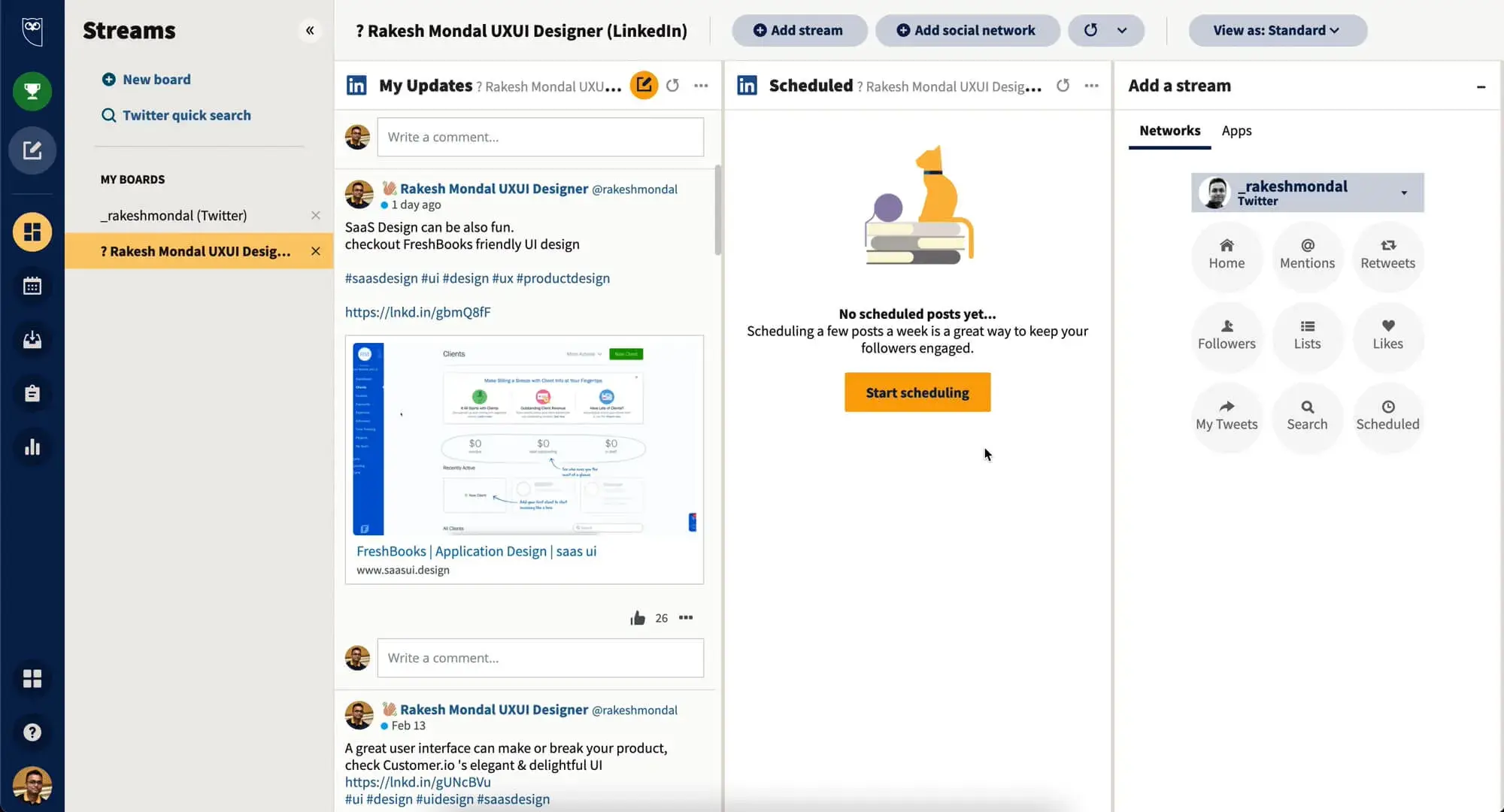
Hootsuite offers solid tools focused on social listening, analytics, and scheduling. It suits agencies and marketing teams that need to cover many platforms. Plans run from $99 to $739 monthly, placing it in the mid-to-high price range for those needing wide control over multiple social accounts. Smaller businesses may think twice about the cost.
Buffer is popular with growing brands and solo users who want simple, reliable scheduling. Easy to use. Prices start at $6 per month. Verified case studies show it helps increase posting consistency and engagement without confusing features or heavyweight enterprise stuff.
Sprout Social packs premium analytics and a unified inbox, starting at $249 monthly. It’s built for firms needing detailed reports and team collaboration. The platform’s power is in its deep data, but you have to commit to higher prices to get the full benefit.
Marketo goes beyond social media, serving complex campaigns that link many marketing channels. Its license-based pricing and advanced features can be out of reach for many small or mid-sized businesses.
AdRoll specializes in retargeting and ad automation, focusing on ecommerce brands. It doesn’t cover social media as broadly as some rivals. Pricing is less upfront and often requires direct talks.
It’s perfect for content marketers who want hands-on control of social media posting logistics. SocialBee shines at content categorization and scheduling. Its mid-range prices give good value for those focused on managing content mixes well.
SendPulse stands out with a low $8 per month starting price and support for multiple brand accounts. This makes it great for startups and small businesses testing basic automation before moving to bigger marketing setups.
For choosing a tool, consider these practical tips:
- Big companies combining marketing and CRM should choose alternative options Marketing Hub, despite the higher cost.
- Agencies and teams needing broad analytics and social listening may find Hootsuite and Sprout Social are worth their mid-to-high prices.
- Small to medium businesses wanting simple scheduling and good ROI should look at Buffer and SocialBee’s easy plans.
- Ecommerce marketers after retargeting ads will want to explore AdRoll’s focused offers.
- Startups and micro-businesses on tight budgets can find real value in SendPulse’s low price and brand flexibility.
Each platform’s clear pricing and features help guide the decision. Picking a tool that fits your team’s size, budget, and goals will get the best results among today’s Best AI Marketing Tools to Automate Social Media Strategy. For more detailed planning, check frameworks like how to build a high-converting digital marketing strategy to line up tool strengths with your campaign goals (generally).
Common Concerns When Choosing AI Marketing Tools
Essential Features to Focus on for Social Media Strategy Automation
Look for tools that bundle scheduling, analytics, and audience engagement into one dashboard. Other solutions Marketing Hub mixes CRM with content management—giving a solid one-two punch. Hootsuite, meanwhile, excels at social listening and scheduling across many channels. Built-in analytics is key; it tracks ROI without flipping through multiple apps. You can act fast. That means you can tweak campaigns instantly, rather than scouring different dashboards for results.
Subscription Pricing and Value Differences Across Platforms
Prices vary widely—SendPulse starts at $8 monthly for its basic package. Comparable services’s Marketing Hub has several pricing tiers, each adding new perks and features. You can usually find prices online, though many vendors bury fees behind sales calls. Paying upfront for bundled features often costs less than combining separate tools later. It’s cheaper to consolidate early than to cobble systems together over time.
Real-World Return on Investment and User Outcomes
Brands using Buffer report smoother workflows and noticeable lifts in engagement. Time saved from manual posting stacks up quickly. Sprout Social delivers reports linking social traffic spikes directly to your campaigns, making the ROI crystal clear. Those numbers justify the price tag and help you bet on tools that bring real impact—not just a flashy feature list. Surprising shifts in engagement can pivot your entire content plan.
Device and Brand Management Capabilities
SendPulse supports juggling multiple brand accounts on a budget. This suits agencies or businesses managing many clients. Some competitors hike fees or limit how many accounts you can link. Knowing your scale in advance avoids hitting surprise costs that chip away at your automation’s value. The wrong choice here can balloon your monthly bill unexpectedly.
Integration and Market Compatibility
Plugging into your CRM, email, and advertising platforms speeds onboarding and cuts syncing errors. Competing platforms’s Marketing Hub offers many native integrations. Others force you to rely on clunky third-party add-ons. Picking a tool that fits your existing tech stack saves you from pricey migrations later; plus, your campaign data stays intact. A tangled integration can stall your whole rollout.
These factors shape the Best AI Marketing Tools to Automate Social Media Strategy. Understand pricing nuances, integration quirks, and multi-account limits. This helps you find the best fit for your budget and workflow. For marketers building digital campaigns, this kind of upfront checking prevents costly tool switches and boosts brand impact. Check Statista’s digital marketing report for broader industry trends influencing these technology bets.