
Understanding Social Media Analytics and Its Role in Engagement Growth
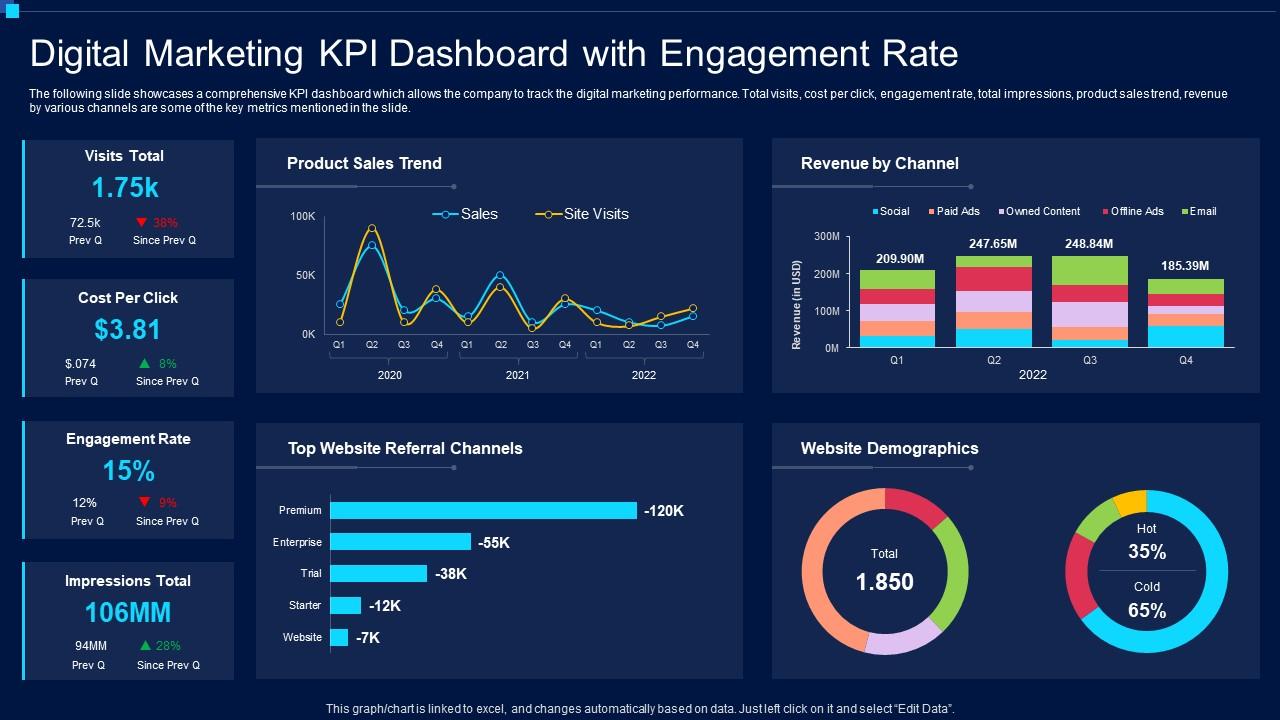
Social media analytics digs into user data from sites like Facebook, Instagram, Twitter, and LinkedIn. It’s about spotting patterns in how people behave, which posts click, and where a brand stands online. Companies watch these signals closely to see if their messages hit home. Boost how often and well people interact with a brand’s social accounts.
When these numbers climb, it often means stronger brand loyalty and more trust. Engagement rates track things like likes, comments, shares, clicks, and other ways users show interest. That’s why marketers and social media managers count every click—these stats shape what they do next (for the most part). The numbers aren’t just trivia; they steer strategies and campaigns that follow.
Social media analytics breaks down into four main parts:
- Data Collection: Pulling raw info from social accounts via APIs or dashboards.
- Metric Analysis: Checking reach, impressions, click-through rates, and follower jumps.
- Audience Insights: Figuring out who’s watching, when they’re active, and what they like to tweak content.
- Performance Benchmarking: Comparing current data to past results and competitors to spot what’s working or flopping.
The payoff goes deeper than counting clicks. They spot trending topics and how people feel about them in real time, switch messaging fast, and send ads precisely to certain groups. When brands use these insights right, they create posts that spark real interaction. That drives more visits to websites, lifts conversion rates, and pushes revenue up.
Without these tools, marketing guesses more than it plans. Data from social platforms can be integrated by analytics software into larger systems like customer relationship management, connecting every stage of the customer journey. That makes work smoother and boosts accountability—turning data into clear ROI numbers.
What is Social Media Analytics and Why It Matters for Brand Engagement
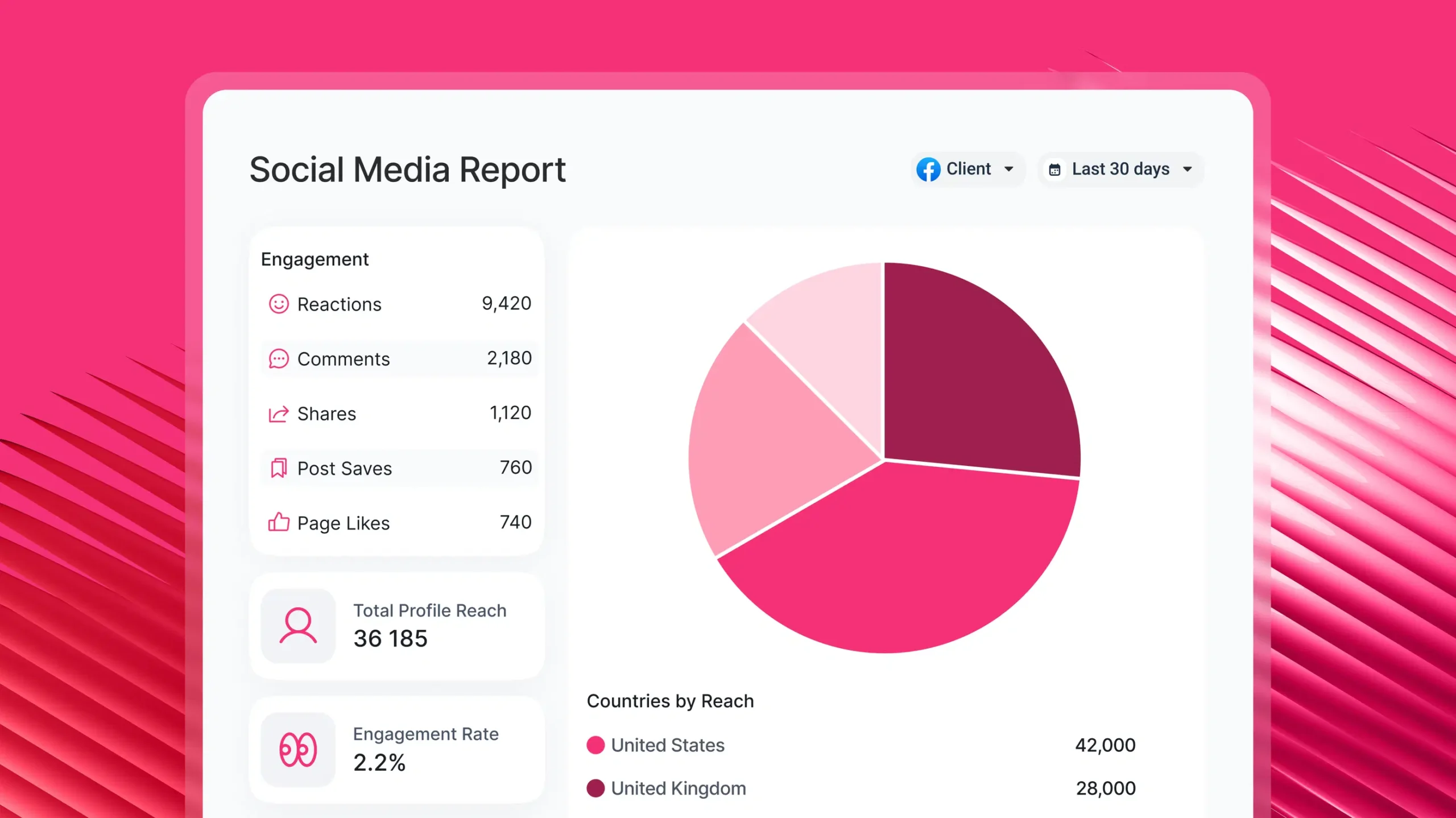
They react quicker, learn nonstop, and sharpen campaigns to keep engagement rising. Brands leaning on data move ahead in crowded social spaces (at least usually). For instance, social media pros can tell if videos beat photos or which hashtags spark chat and then shift gears confidently.
This knowledge is the backbone of today’s digital marketing. Mastering metrics isn’t a choice—it’s survival. Getting these basics down sets the stage for detailed how-tos on using analytics tools to lift engagement. It’s how brands grow stronger in 2026 and beyond.
Their algorithms flip with little warning. Companies that predict trends and decode user tastes through data have a big leg up building loyal communities. Constantly watching analytics keeps brands alert and flexible.
This approach creates real, measurable results—not just quick traffic bursts. For marketers ready to dive deeper, the next move is seeing how analytics fit with content planning, tweaking campaigns, and building genuine give-and-take with customers. Strong analytics also back up budgets and prove marketing’s value to executives—a key part of strategic talks.
One solid resource on automation and AI in marketing analytics unpacks how to fine-tune social strategies with real-world examples and case studies: Best AI Marketing Tools To Automate Social Media Strategy With Pricing Insights And Case Studies.
Key Brand Engagement Metrics to Track with Analytics Software
Skipping these insights limits growth and risks wasting effort on campaigns that don’t connect. In short, social media analytics open ups a clear view of brand health, audience habits, and ways to craft sharper messages. Using analytics lets brands decide smarter, faster—building lasting engagement that echoes across digital crowds.

- Step-by-step tutorial on using software tools to track and improve brand engagement rates
- How to integrate social media analytics software with CRM and marketing platforms
- Proven methods for real-time monitoring and adjustment to boost engagement
- Case studies demonstrating brand engagement improvement via analytics software
Key Social Media Analytics Metrics for Measuring Brand Engagement
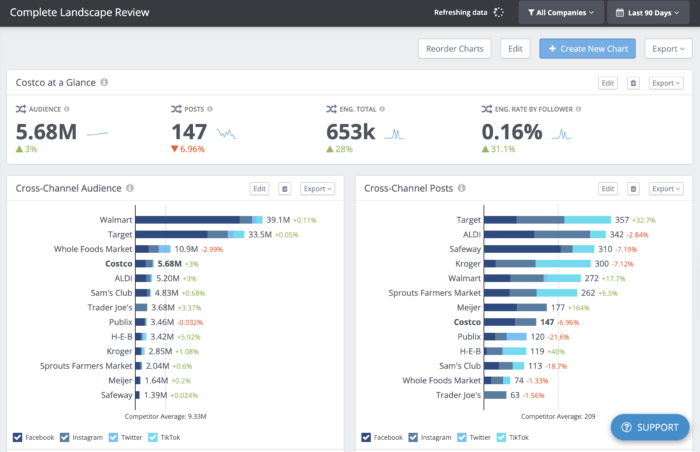
To build a social media plan that really grows your brand, you need to get specific metrics down cold. These numbers show how your content clicks with people—what grabs their attention and what makes them react. Understanding what each metric means helps you match your actions with your business goals.
- Engagement Rate
This number shows how many people interact compared to how many could have seen your post, usually as a percent. It counts likes, shares, comments, and clicks divided by your total followers or impressions. A high rate often means your content fires up interest and builds loyalty—the bedrock of brand growth.
- Reach
Reach tells you how many unique users saw a post or ad. Unlike impressions, which tally all views including repeats, reach focuses on new eyeballs. It shows how far your message spreads across networks and spots which posts bring fresh visitors to your brand.
- Impressions
Impressions track every time your content pops up on screens, no matter who’s looking. It measures reach, not how deep people engage. Seeing the same post often can boost recognition, but if clicks or comments don’t follow, impressions alone don’t prove success.
- Clicks
Clicks count how many times people hit links in your posts, stories, or ads. This reveals direct interest—folks wanting to know more or take the next step. Watching click-through rates alongside reach helps see if content moves people down your funnel or just shines briefly.
- Shares
Shares spread your content through users posting it on their own networks. This acts like an endorsement and extends your reach naturally. The number of shares signals viral chances and real enthusiasm, often meaning more trust and advocacy for your brand.
- Comments
Comments show how people react—questions, praise, or complaints. They prove active interest, not just passive scrolling. Checking comment tone and amount helps gauge sentiment and build community through back-and-forth conversations.
- Conversions
Conversions track actual actions tied to social efforts—purchases, sign-ups, or downloads. They link engagement to real business results and prove social media’s value. You need web analytics or CRM tools to trace these properly.
Together, they build a layered picture (in most cases). Each metric shines a light on a different side of brand engagement. Understanding how they work in concert steers your content tweaks and messaging shifts. Tools that catch these metrics live let you jump on audience changes fast.
Measuring isn’t simple. You need clear terms and steady tracking custom to each platform and business goal. Balancing amount, depth, and results keeps you from chasing vanity numbers and guides toward real engagement that grows your brand. After all, lots of clicks without meaning leave no mark.
Making analytics part of your workflow means your moves come from facts, not guesses. These stats tell you how your audience feels and shifts—using them carefully is how brands stick in minds. Tracking all these metrics can get tricky, but it’s the base for moving beyond simple reach to real human connection. This really matters as platforms change their algorithms, messing with how these numbers act.
Data from trusted analytics tools shows steady progress in measuring social media through 2026, helping marketers shift gears quickly. Detailed numbers let brands pull insights from real-time actions and adapt fast to where engagement is live.
How to Choose the Right Social Media Analytics Software for Your Brand

What counts as good engagement on LinkedIn won’t always mean the same on Instagram. So, tailoring which metrics you focus on by platform cuts through noise and sharpens your signal. Watching these together sharpens your strategy.
Setting benchmarks by industry and watching trends over time shows if your brand’s bonding outpaces competitors. This keeps you from mixing up short spikes with lasting change. Sticking to consistent engagement measurement is the backbone of building digital relationships and thriving communities.
Brand engagement metrics are key tools to see how social media serves your business, not just fills feeds. Measuring isn’t just about counting—it’s about meaning. Unlocking their power drives loyalty, better-fitting content, and higher returns. This rich view of metrics points the way to real, usable insights.
Layering this knowledge grows the path from data to action. If you want to dig deeper on using social media metrics in wider marketing, check out related resources on data-driven content plans and AI marketing tools proven to boost engagement across platforms and campaigns.
Statista’s data on social media usage shows platform-specific engagement trends, helping brands pick the right metrics and set targets that match their unique audiences and goals.
Step-by-Step Guide: Using Social Media Analytics Software to Improve Brand Engagement
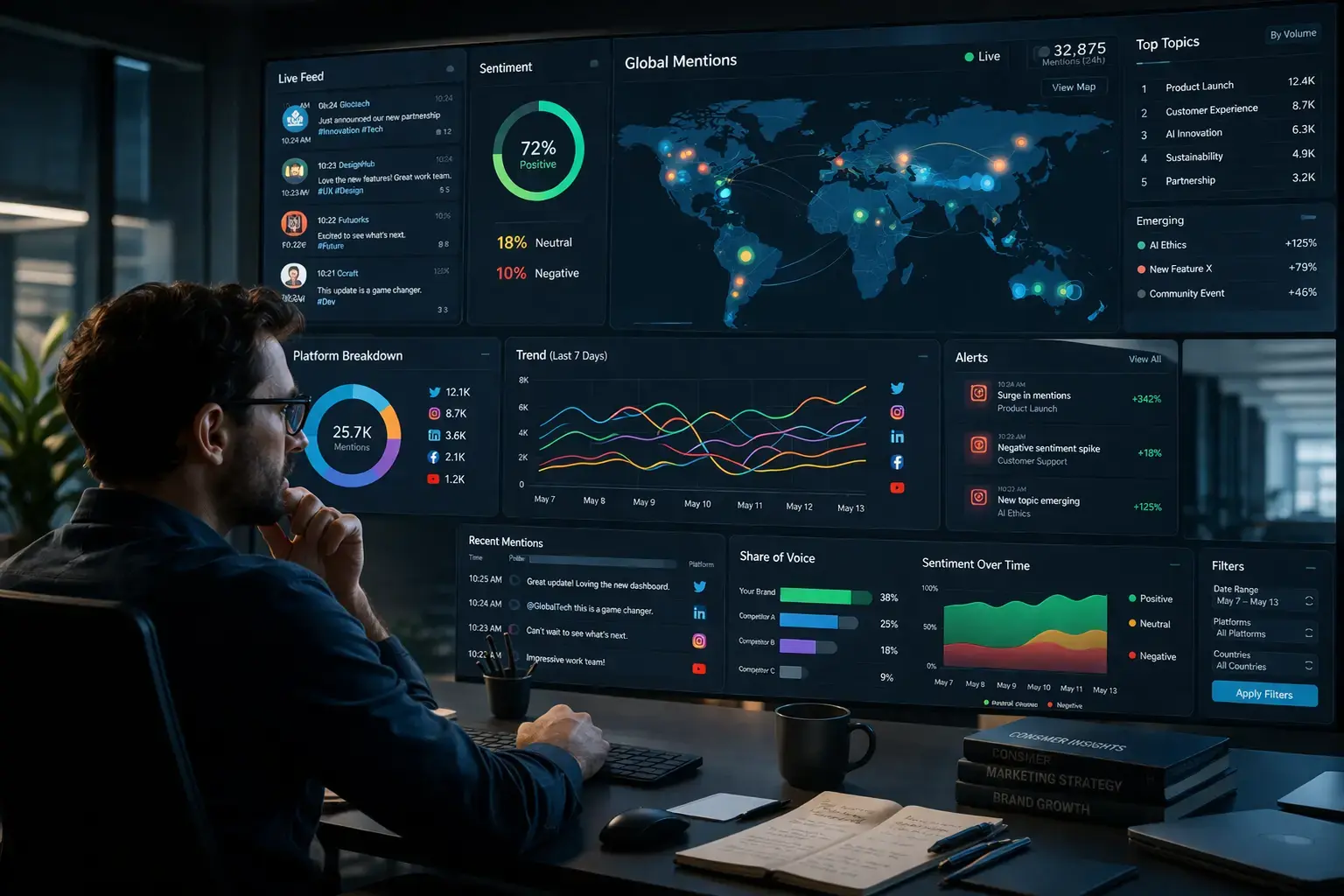
Popular Tools for Social Media Analytics

These tools grab engagement stats, break down what people do, and track how campaigns fare or what content clicks. Brands hunt social media data in all kinds of ways. Each has its angle—some scan the whole web, others stick close to social feeds.
- Google Analytics still pulls weight tracking website visits coming from social posts. It maps referral paths, user flows, and goals triggered by social clicks. Not a pure social platform, but marketers love it because it ties social campaigns to actual site results. Pairing Google Analytics with social data shows which posts bring traffic that buys or signs up.
- Hootsuite Analytics pulls several social accounts into one messy dashboard. Facebook, Instagram, Twitter, LinkedIn, YouTube—it funnels data into tidy reports. It counts how many engage, follower jumps, clicks, even mood signals. Scheduling and social listening pop in to fill gaps, making it a go-to for busy teams juggling these platforms simultaneously.
- Sprout Social digs deeper on brand buzz and audience makeup. It slices up profile stats, demographics, and hashtag hits across channels. Its interface pushes sharp tips, telling teams when to tweak campaigns fast. Plus, its CRM links smooth social customer support and follow-up.
- Native analytics on each platform deliver raw detail. Facebook Insights offers page likes, reach, audience splits, engagements, and video views. Advertisers and creators tune finely here. Twitter Analytics tracks tweet impressions, profile visits, follower trends, and engagement by post. Brands get data near real-time, stripped of fluff.
- Instagram Insights zeroes in on likes, comments, saves, shares, and story stats. Influencers and brands lean on it to boost content on the fly. LinkedIn Analytics lights up professional engagement—key for B2B—with reports on follower growth, clicks, shares, and visitor types.
- Most tools let you export reports to link with CRM or marketing automation systems, building the bigger picture. Tie social stats to sales, chatbots, or email tools and slice the full customer journey in one view.
- Integrations open up automation perks—sending faster replies, smarter edits, constant performance tuning. This is vital in social’s fast-flip world, where interests pivot without warning.
Big firms often choose Sprout Social for its CRM ties and flexible dashboards. Picking social analytics tools boils down to brand size, budget, and goals. Smaller businesses lean on Hootsuite for its all-in-one ease and lower price (in plain terms). Google Analytics suits everyone for web traffic but misses deeper social channel insights. Native tools deliver sharp data but can’t compare across platforms.
Bringing together data from multiple sources typically creates the clearest insight, allowing marketers to identify which content and strategies truly drive engagement. Squeezing the most out of these tools means knowing what each data stream offers and where it falls short (give or take). As options multiply, syncing analytics with marketing automation and CRM sharpens targeting and tracks ROI more tightly than before.
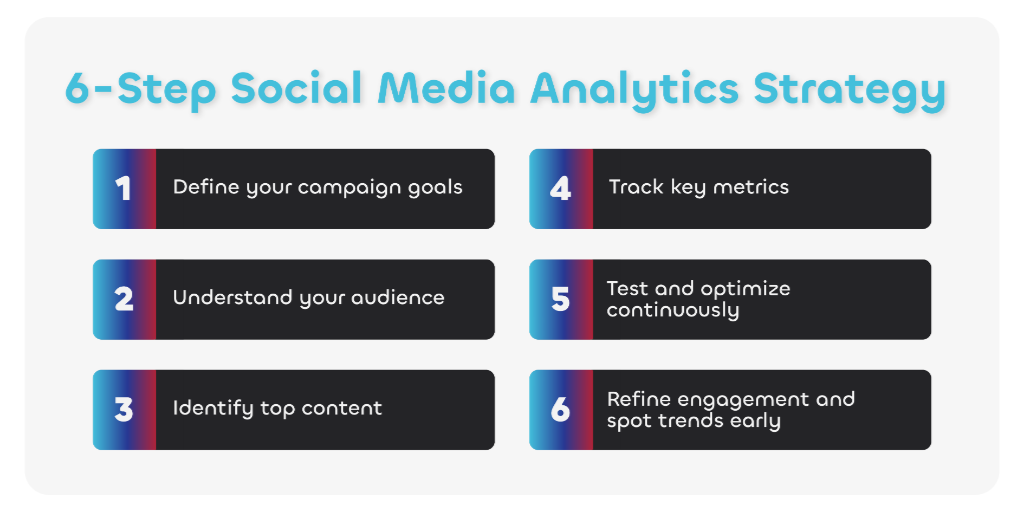
Brands fine-tuning social strategy line up platform metrics with business goals, then test and tweak campaigns nonstop. This hands-on work molds raw data into clear marketing moves that build stronger audience ties and loyalty. The wins show up beyond stats—real relationships that thrive amid fierce social noise.
For those chasing automation in social insights, new AI-powered tools deserve a look. Some predict trends, suggest content shifts, and flag influencer clout automatically, honing strategy without extra grunt work. Mixing classic social tools with AI analytics speeds learning—from mountains of reports to sharper campaigns.
Integrating Social Media Analytics with CRM and Marketing Platforms
Social networks and user habits sprint ahead. Real-time analytics and nimble reporting aren’t nice-to-have—they’re survival tools. Brands that last watch sentiment swings, sudden engagement spikes, and fresh content forms—making smart software picks key to long-term growth.
Zooming in on blending social analytics with marketing stacks shows CRM platforms capturing post-engagement actions for sales follow-up. This combo pushes social impact beyond clicks or views, boosting lead nurturing and customer retention. Social data plus CRM aims to lift lifetime value through custom messaging built on real signals.
Good training and support speed how fast teams turn numbers into moves. Brands weighing these analytics buys should weigh data detail, ease of use, how well it plugs into other tools, and cost. Case studies often show better conversion rates and tighter brand loyalty after adopting solid, integrated social analytics—clear proof of their place in today’s marketer’s arsenal.
This resource digs deeper into how analytics fits into automated social workflows. For a detailed guide on marketing automation tools, see Best AI Marketing Tools To Automate Social Media Strategy With Pricing Insights And Case Studies. Detailed reports from these tools create a cycle of feedback that refines your targeting and messaging, leading to steadily stronger engagement results.
Step-by-Step Guide to Using Social Media Analytics for Brand Engagement
- Define Clear Engagement Objectives
Start with specific goals. Pinpoint what you want—more likes, shares, comments, or mentions. These targets give you a clear direction for digging into social media data. They also make sure your analysis fits with your overall marketing plan.
- Select Relevant Social Media Channels
Find where your audience spends time online. Focus on those platforms. Zeroing in here means your data matches real user actions. It keeps your insights sharp and on point.
- Choose the Right Analytics Software
Look for tools that connect smoothly to your social media sites. You want features like sentiment analysis, reach, and interaction tracking. Software that links to CRM and marketing platforms can speed up your workflow and avoid messy handoffs.
- Set Up Tracking Parameters and Tags
Add UTM codes, hashtags, or tracking pixels to your posts. These little tags catch detailed data about how users interact. They let you separate which campaigns or content really spark engagement from those that don’t.
- Gather Baseline Engagement Data
Collect past engagement numbers over a set time. This baseline shows where you stand now. It acts like a ruler to measure progress later.
- Segment Audiences for Deeper Insights
Break down your audience by age, behavior, or interests using filters in your tools. This reveals which groups respond best to certain content or messaging styles.
- Monitor Real-Time Engagement Metrics
Watch comments, shares, and likes as they happen. Spotting sudden changes right away helps you jump on trends or fix dips before they grow. Timing can flip momentum.
- Analyze Content Performance
Check engagement stats by post type—video, image, story, text. See which formats pull your followers in most. Look beyond raw numbers; distinguish meaningful comments from generic likes.
- Assess Sentiment and Brand Perception
Use sentiment analysis to decode how people feel about your content or mentions. A high positive tone means strong engagement. Sharp rises in negativity signal troubles needing quick attention.
- Benchmark Against Competitors
Compare your engagement rates and strategies with others in your field. Tools offering competitive analysis expose gaps you can fill and tactics you might copy.
- Refine Content Strategy Based on Data
Tweak when and what you post using what you’ve learned. Tailor content for segments showing promise to create deeper, more meaningful interactions.
- Test and Experiment with New Approaches
Run A/B tests on headlines, formats, or calls to action. Testing proves which changes boost engagement before you invest big time.
- Integrate Analytics with CRM and Marketing Platforms
Connect your social media data to CRM and email marketing. This links your engagement metrics to lead tracking and sales funnels, sharpening ROI measures and targeting.
- Set Up Automated Reporting Dashboards
Build dashboards that pull in engagement data regularly and automatically. They give ongoing snapshots of progress, so you don’t waste time cobbling reports.
- Monitor and Adapt in Real Time
Keep live tabs on user actions. Catch sudden spikes or drops fast. Quick reactions lock in brand momentum and customer trust.
- Evaluate Campaign Impact Holistically
Look beyond social stats. Check website traffic, conversions, and customer loyalty linked to your social efforts. This bigger picture confirms if your analytics-based choices work.
- Document Learnings and Update Strategies Regularly
Keep notes on insights, tests, and results. This record fuels a cycle of learning—you analyze, adjust, and grow.
Each step folds into a loop of gathering data, figuring out what it means, and acting. That loop sharpens your brand’s social presence and spins up more engaged followers (more or less). Weaving these habits into daily marketing lifts responsiveness to what users want and boosts your social media investment returns.
Marketers hungry for steady growth connect this method with content planning guides like 5 Steps To Speed Up How To Create A Data-Driven Content Marketing Plan For B2B Tech Brands. That plan leans on data everywhere, making engagement numbers the engine for strategy—not just reports.
Social media analytics link-ups with marketing tech stacks are everywhere now. CRM connectors plus AI-driven insights have become the norm. This mix supercharges real-time tracking, swift responses, and custom content that stands out in crowded feeds. Explore more on marketing automation tied to social analytics in Best AI Marketing Tools To Automate Social Media Strategy With Pricing Insights And Case Studies.
Statista’s data on worldwide social media usage captures rapid platform shifts and user habits. That constant churn means your engagement plans must keep adapting. Staying responsive keeps brands alive and connected in fierce social battles.
Common Challenges and How to Overcome Them
So many numbers flood in—impressions, reach, clicks, shares, comments, video views, and the list goes on. Businesses get tangled in complicated social media data all the time. Teams can drown trying to pick what actually matters. Without clear direction, they wander in the data wilderness. Confusion settles in. Time and effort slip away, lost.
Start by zooming in on metrics tied to your brand’s main goals. These highlight patterns instead of dumping raw data that buries you deeper. Don’t chase every flashy stat. Pick KPIs that match what your business needs—engagement rate, conversion rate, follower growth, or sentiment analysis, for example. This sharp focus saves you from burnout on irrelevant numbers. Then, automate reports using social tools that spit out clean summaries.
Metrics aren’t the same everywhere. This common language lets marketing avoid misunderstandings and compare apples to apples. One platform’s “engagement” can mean different things than another’s. For instance, Twitter clicks and Instagram likes don’t measure the same user action. Set a clear, brand-specific definition of engagement. Build a custom dashboard that unifies those metrics across channels.
Insights can feel cut off from real campaigns or sales targets. Marrying analytics with big-picture business goals is tougher than it sounds. Data folks need to meet regularly with brand managers and strategists to turn numbers into action. They must drive clear campaign moves that actually lift engagement.
Keeping data fresh is critical. This quick feedback loop helps marketers jump on trends or fix weak posts before they do damage. Social media analytics aren’t one-and-done reports. You want constant monitoring and rapid tweaks. Alerts for sudden spikes or drops in engagement make sure nothing slips through the cracks (more or less).
Real-Time Monitoring and Adjusting Strategies to Boost Engagement
Focus on the essentials—pick the right metrics, unify them across platforms, tie analytics clearly to business goals, and stay nimble with real-time data. This mix transforms chaos into a tool that grows your brand’s reach and loyalty.
You can boost this further by using best AI marketing tools to automate social media strategy. These tools crank up your ability to react and improve smoothly. Plus, combine that with custom content planning—analytics then become blueprints for steady audience growth. For 2026’s market, where instant, exact insight rules, mastering social data is non-negotiable.
Reliable social media usage statistics from Statista put your data in context. They let you see real trends behind the numbers instead of guessing. That evidence-backed approach cuts through confusion and hones the sharpness needed to mine valuable results from noisy social feeds.
Common Questions About Using Social Media Analytics to Boost Engagement
Tracking Engagement Changes Over Time
Integrating Analytics With Marketing Tools
Best Metrics for Measuring Meaningful Engagement
Real-Time Monitoring Benefits
Setting Benchmarks to Gauge Progress
Improving Posting Schedules Using Analytics
Using Sentiment Analysis for Brand Health
Improving Content Strategy With Data Insights
Handling Data Overload Efficiently
Privacy Compliance When Using Analytics
This Q&A untangles practical points about using social media analytics tools to push brand engagement higher. It shows how smart metric choices, real-time reactions, and tight integration with marketing systems turn scattered data into sharp insights. When you lock your strategy to audience behavior and clear goals, you raise engagement steadily while keeping complexity manageable. For a close look on analytics impact across industries, check out Statista’s report on social media trends—packed with stats for 2026.
These takeaways pair well with guides like Best AI Marketing Tools To Automate Social Media Strategy With Pricing Insights And Case Studies, offering marketers solid advice on choosing tools that match their engagement ambitions.