Understanding ROI in Digital Marketing Campaigns
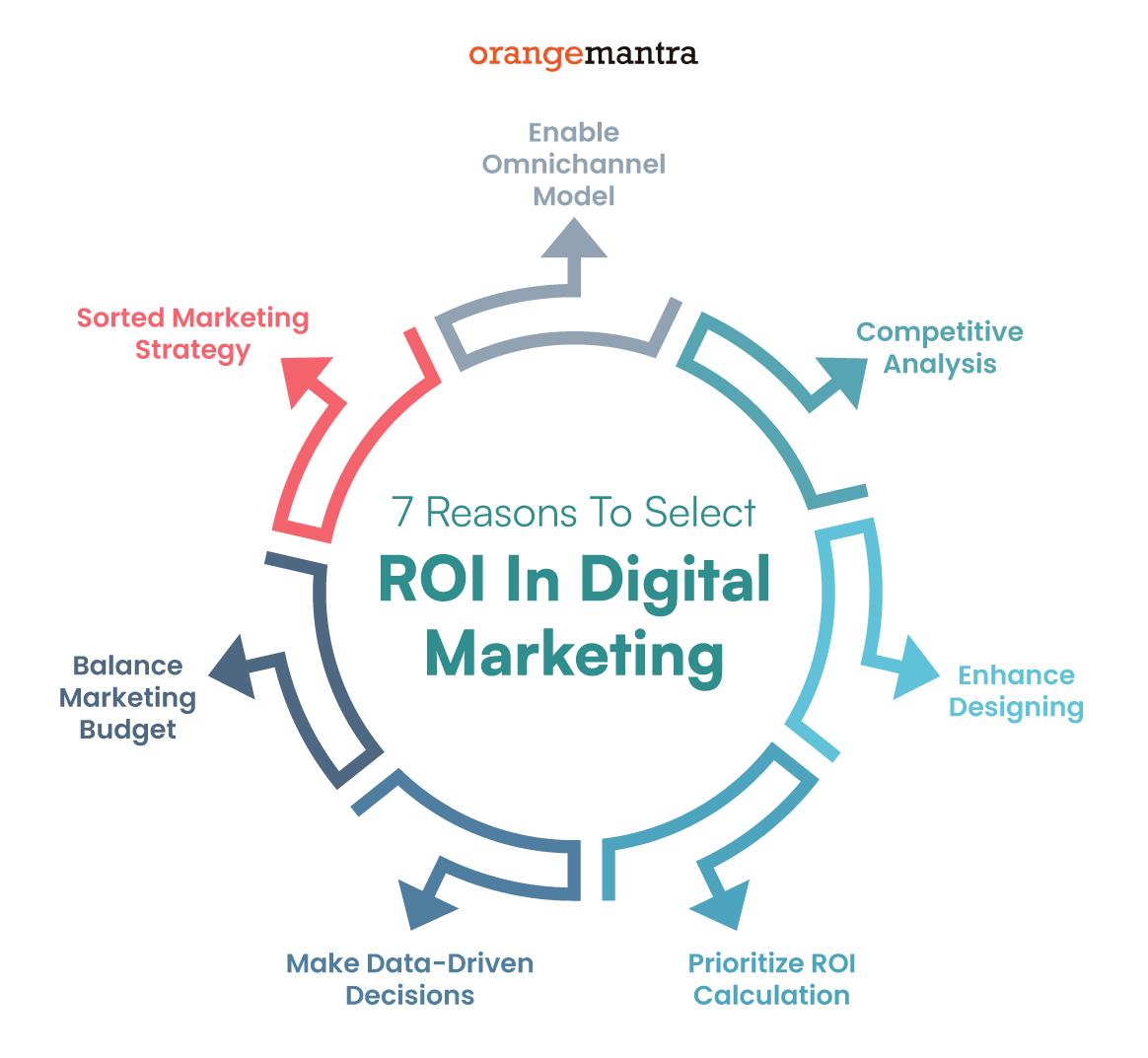
ROI means figuring out how much profit or loss a campaign made compared to what it cost. You can’t measure success in digital marketing without knowing your return on investment (ROI). It shows if marketing spends actually bring value or just drain budgets. Plainly put, ROI pins dollars to your campaign’s real results.
Skip it, and you risk replaying bad tactics or missing the winners. ROI tells you which efforts move the needle. But figuring out digital marketing’s true effect isn’t easy. Sales drivers are a mess—campaigns overlap, customers bounce through channels, and actions blur together.
To get ROI right, you track costs and returns fully. Costs cover ads, content, tech fees, people’s time, and overhead. Returns don’t come straight—they’re pulled in different directions by direct sales, customer lifetime value, brand lift, and indirect effects like web traffic or social media buzz. For example, a brand video might not drive sales immediately but could spark future buys. Measuring these shades needs deep analytics and clear timing.
A few things make precise ROI tough:
- Attribution models clash—last-click, first-click, linear, or data-driven all hand out credit differently.
- Offline or multi-device conversions vanish from normal tracking, leaving holes.
- Long sales cycles stretch impact well beyond a typical campaign.
- Factors like seasonality, market shifts, or rival moves shape sales on their own.
- Messy data or disconnected tools muddy the real story.
Ignoring these traps cooks misleading ROI numbers that wreck choices. Good marketers build strong analytics, plan carefully, and stay flexible on attribution. They mix solid sales data with smart insights to get the “why” behind the digits.
ROI isn’t a fixed score; it’s a shifting compass. Platforms change, habits evolve, and what once paid off can fade. You must adjust constantly, or returns bleed. This fluid view separates marketers who think hard from those chasing vanity stats.
Companies treating ROI like a strategic backbone get smarter and faster with their campaigns and budgets. How a company measures ROI depends on goals, industry, and resources. But clear costs, careful tracking, and honest expectations form the bedrock. Marketers typically grasp ROI by mastering analytical tools, interpreting complex data sets, and weighing immediate gains against ongoing brand strength. Digital touchpoints multiply complexity, so every marketing dollar must punch above its weight—fudged ROI creates false hope, sharp ROI fuels steady growth.
Digging deeper into attribution styles and analytics tricks can boost confidence in your numbers and steer clear of common mistakes. Sharp analysis flips ROI from a vague idea into a powerful lever for marketing wins. That clarity lights the savvy marketer’s way through today’s tangled digital scene. For a step-by-step guide, check proven methods in how to create a data-driven content marketing plan or explore custom moves at building high-converting digital marketing tactics.
Measuring ROI in digital marketing is part science, part art. Companies ignoring it gamble with limited resources—and that’s a risk no brand should take.
- Defining ROI for Digital Marketing
- Step-by-Step Guide to Measuring ROI
- Tools and Software to Help Measure ROI
- Proven methods and Tips for Accurate ROI Measurement
Defining ROI for Digital Marketing Campaigns
Return on investment, or ROI, measures how much a digital campaign costs against the profit it makes. It puts a clear number on results, turning guesswork into something you can count. The basic formula tracks net gain versus what you spent, but digital marketing adds its own twists and odd factors.
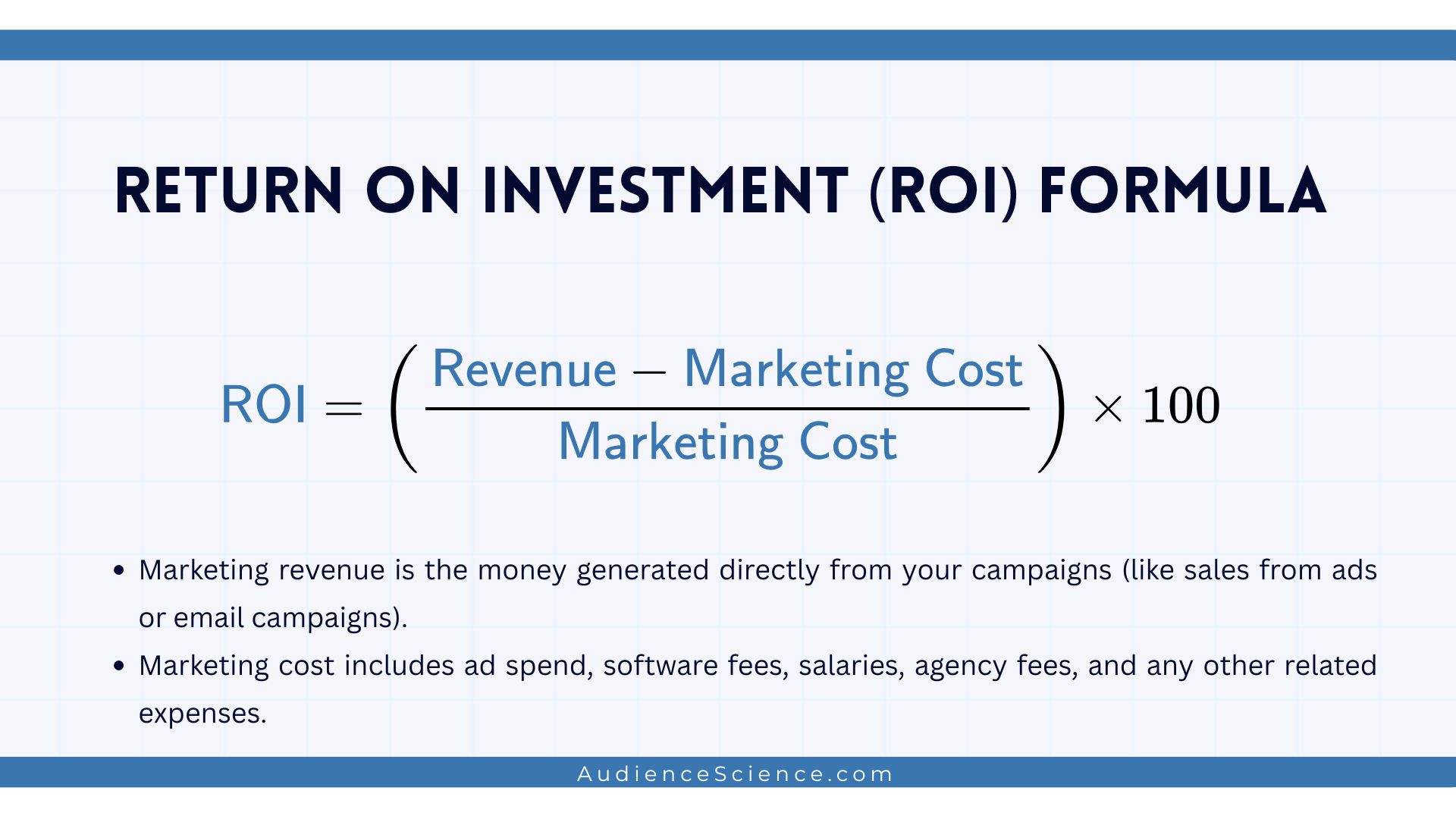
Here’s the formula step by step:
- Add all revenue connected directly to the campaign.
- Subtract the total campaign cost from that revenue.
- Divide the net profit by the campaign cost.
- Multiply by 100 to get a percentage.
That percentage shows how much you earned or lost compared to your spending. Positive means profit; negative means you took a hit.
Marketing spreads across many channels. Pinning down the right revenue and cost figures isn’t easy. Costs aren’t just ads—they also include content making, platform fees, software tools, and staff hours. Revenue can come from direct sales, leads, sign-ups, or whatever goals the campaign targets.
Some key things shape how you measure digital marketing ROI:
- Attribution model: This decides which touchpoints get credit for sales. Last-click attribution is simple but can miss parts of the customer journey; multi-touch attribution covers more ground but needs detailed tracking data.
- Time frame: ROI should fit the campaign’s timeline. SEO might take months before showing results; PPC ads can bring back cash fast.
- Conversion tracking accuracy: You need reliable tools that catch clicks, views, and conversions, or your numbers won’t add up.
- Campaign scope: Goals differ—raising brand awareness, winning new customers, or keeping current ones—and each changes how ROI looks.
A high acquisition cost can be justified if the customer lifetime value is substantial, but uncovering that fact demands more than just a basic ROI figure. Knowing these points helps reshape the usual ROI formula to fit your goals. Dig deeper.
Marketers layer on other figures like CLV, cost per lead (CPL), and engagement rates to get the full picture beyond quick profits. These metrics guide smarter budget moves and help squeeze more return from future campaigns.
Clear ROI math drives marketing choices—it shows what to push and what to cut. But it depends on careful data input and understanding the trade-offs digital marketing throws your way. For more advice, check the U.S. Small Business Administration’s marketing resources at marketing metrics and principles.
That sharpness feeds strategies that win now and build for the future. Watching these basics closely lets you see campaign success beyond dollars in and out.
Getting measurement right touches every related metric and the impact of your entire marketing program.
Step-by-Step Guide to Measuring ROI in Digital Marketing Campaigns
- Clear goals lock your ROI focus on the results that actually move your business forward.
- List every dollar spent—ad buys, creative work, software subscriptions, agency fees. Don’t forget hidden costs like staff hours or tool licenses. Missing costs will mess up your ROI picture.
- Watch clicks, impressions, conversions, and engagement metrics on your analytics platform. Every stat is a puzzle piece that helps explain your campaign’s financial impact.
- Find sales linked directly to your marketing—through unique promo codes, campaign landing pages, or tracking pixels. These signals tie revenue straight back to your efforts.
- Remove sales that would have happened anyway, without your ads. This step clears away noise to show the true boost your campaign created.
- Start with gross revenue, then subtract costs like goods sold and variable expenses. What’s left is the real profit your campaign made.
- Use ROI = (Net Profit / Total Investment) × 100%. This gives a percentage showing your return compared to what you spent.
- Break ROI down by channel—social, email, paid search—and alternative options in on specific ads. This detailed look reveals what worked and what didn’t, guiding smarter budget splits.
- Don’t just count immediate sales. Factor in how much revenue customers might give over years by calculating lifetime value (LTV). Campaign success often hides in the future, beyond the first purchase.
- Seasonal demand rises and falls. Context matters—without it, your ROI numbers can lie.
- Use tools that pull costs and revenue data live. Real-time dashboards help you spot problems or chances the moment they arise.
- Double-check your tracking and financial data often. Even little glitches or typos can throw off ROI calculations and send decisions astray.
- Send sharp reports with key findings and strategic advice. Clear communication helps everyone make smarter investment moves.
- Let ROI data steer your targeting, messages, and channel choices next round. Hard numbers sharpen your marketing’s aim and power.
- Write down how you measured ROI, what data you used, and attribution models applied. Transparency keeps evaluations honest and repeatable.
- Link marketing spend decisions to company goals by feeding ROI results into overall financial plans. That way, marketing earns its place in business growth.
These steps reveal your campaign’s whole profit story. Measuring ROI demands sharp data work and smart interpretation. They stop you from wasting money and push your business toward stronger growth. With digital budgets swelling, 2026 will need tighter ties between marketing results and finance numbers.
These resources anchor ROI tracking by aligning campaigns with actual customer behavior. For hands-on advice on making data-powered digital plans, marketers can explore guides on building high-converting marketing strategies or data-driven content marketing plans.
They weigh longer-term effects on loyalty and brand strength—two pillars the U.S. Great ROI reviews don’t stop at quick dollars. Small Business Administration calls key for marketing wins. Transforming straightforward cost-to-revenue calculations into detailed insights enables teams to make informed decisions that improve both current operations and future campaigns.
Essential Tools and Software to Track Digital Marketing ROI
Finding tools that track and calculate ROI cuts down on guesswork and sharpens campaign focus. You see where the budget works—and where it leaks. Clear ROI snapshots save time and money. Below are popular software picks marketers use to measure ROI spot on.
- Google Analytics 4
This tool’s still king for digging into website traffic, user actions, and conversions. It drills down to show which campaigns spark buys or sign-ups. You can tweak dashboards and track specific events, making it easier to spot ROI on paid ads or organic posts. Plus, it hooks up smoothly with Google Ads for cross-platform ROI views.
- Competing platforms Marketing Hub
Rival tools bundles lead tracking, email marketing, and campaign analysis in one spot. Its attribution models slice up credit across different funnel stages. The reports lay out revenue tied to spend clearly, linking marketing pulls to sales pushes tightly. Automation cuts down manual report slog, speeding ROI insights.
- Facebook Ads Manager
This platform zooms in on paid Facebook and Instagram ad results. It spits out metrics on reach, clicks, and actual conversions, giving deep engagement details. You can adjust attribution windows to match spending with when revenue lands, fine-tuning ROI numbers.
- Other solutions Engage
Comparable services handles complex campaigns, tracking across email, social, web, and offline. Its revenue attribution links every marketing touch to closed deals, showing the real return on marketing cash laid down. It offers sharp segmentation and predictive analytics based on past ROI trends.
- Competing platforms
Known mostly for SEO and PPC, rival tools also tracks paid campaign results. It pulls data from many spots and judges traffic quality, cost per lead, and conversion rates. Reports point out which keywords or ads turn profit, letting marketers shuffle funds toward what pays best.
- Alternative options Marketing Cloud
Made for big companies, this tool combines CRM with marketing analytics. It measures ROI by linking marketing contacts and campaign responses right to sales revenue. Multi-touch attribution models and live dashboards show how campaigns push the bottom line. Real impact visible.
They automate data gathering, offer thorough attribution analysis, and tie efforts back to real revenue. All these tools make measuring ROI for digital marketing campaigns less guesswork, more fact. Using them in your workflow picks apart weak spots and guides smarter budget choices. For marketers who want to sharpen spending plans and campaign moves, choosing one or mixing these platforms is a must.
Check out the guide on how to build a high-converting digital marketing strategy for tips that mesh strategy tightly with measurement. True ROI depends on the tools and the plan working in tandem, showing real business impact.
Detailed analytics frameworks from government studies on health spending underline why precise data matters so much—digital marketing ROI tools follow this lesson closely.
Proven methods and Tips for Accurate ROI Measurement
- Set clear goals you can measure before you launch your campaign. Tie these goals to revenue, specific user actions, or lead numbers. That way, you have sharp markers that reflect your business targets.
- Use tracking tools and pixels that follow users from their first click all the way to the sale. These tools deliver real-time, precise data you need to check your campaign’s performance and calculate your returns.
- Break down your audience with care. Group them by age, behaviors, or previous buys. This reveals which groups drive the most profit and guides you where to focus your effort.
- Choose an attribution model that fits your campaign’s style. Multi-touch attribution logs every customer step, so no single click grabs all the credit; every channel gets its due.
- Mistakes or duplicates can throw your ROI off by a mile. Keep tight controls on marketing feeds and tracking systems to stay accurate.
- Count offline conversions when possible—phone calls and store visits, for instance. Digital campaigns often push actions beyond the screen. If you ignore these, you miss part of the story.
- Calculate the lifetime value (LTV) of new customers. Looking just at first sales misses repeat purchases and long-term revenue, which show if your upfront cost was worth it.
- Don’t forget indirect wins like brand buzz and organic traffic. They’re harder to measure but huge for growth. Use proxy metrics or market research to estimate their effect.
- Stick to consistent timeframes when checking ROI. Focusing only on the short term misses effects that build slowly. Check immediate return, plus 30-day and 90-day windows for a fuller picture.
- Align ROI calculations with your marketing budget. Invest in campaigns with clear returns. Trim those that drag down performance without delay.
- Get sales, marketing, and finance teams talking regularly. Sharing insights smooths out conflicting data and builds a shared, reliable view of success.
- Update your measurement methods as platforms and buyer habits shift. Staying flexible tightens accuracy and uncovers fresh chances to improve your spending.
These steps clear up ROI numbers and make budgeting smarter. Marketers aiming for real impact find these tactics show the true value of their digital work. This approach matches well with resources like high-impact marketing guides and tested email strategies that push measurable returns. Relying on precise, layered ROI tracking means your choices rest on data, not guesswork. That discipline keeps marketers sharp in a fast-changing digital world. Careful tracking, clear attribution, and factoring in indirect gains remain foundations of smart investment analysis in 2026.
Key Insights on Tracking and Improving Digital Marketing ROI
Measuring return on investment means clear data tracking and smart plans. Marketers must lock in solid benchmarks—campaign costs, revenue shifts, conversion rates—to see what each effort truly brings in. Accuracy is key. Tracking tools have to sync well with campaign platforms and sales data. Otherwise, attribution models can’t link results across multiple touchpoints. Without good attribution, ROI figures flatten or miss hidden drivers completely.
That first ROI figure gives a quick snapshot, but campaigns morph as you test new ad placements, adjust creative angles, and retarget segments. Don’t just set it once and forget it. Analysts dig into data constantly, moving budgets to channels that push profit—not just clicks or views. Digital marketing races forward: consumer habits shift, platform algorithms twist, and competitors jump in. Each cycle sharpens understanding of where to spend next.
Here’s what you need for ongoing ROI tuning:
- Choose realistic goals tied closely to real business results—lead counts or sales—not empty vanity metrics.
- Collect complete, clean data on costs, user actions, and revenue, all lined up over the same timeframe.
- Use clear attribution models that capture tangled buyer journeys, including cross-channel impacts.
- Compare numbers with customer feedback to uncover real trends beneath surface noise.
- Pivot strategies quickly, trying fresh ideas and growing what clicks.
- Share reports often with stakeholders for clear goals and full transparency.
Linking spending to revenue isn’t just math. It proves if marketing dollars earn their keep and guides smarter investments next time. Tracking ROI is more than formulas; it starts a loop of learning and tweaking that speeds insight and skill. For example, weighing customer lifetime value alongside quick conversions reveals deeper profit chances—often missed in fast-hit reviews.
Small Business Administration, show solid ROI measurement stops wasted ad spend and boosts campaign wins. Years of marketing studies, plus data from the U.S. It tightens feedback loops that power agile strategies. Watching every step through the funnel does more than prove accountability; it builds a data-driven marketing culture that keeps up with digital shifts.
They prove again and again that real success comes from digging into data for insight—and moving fast. Serious pros rely on these rules, mixing tight financial checks with creative risks. That discipline turns digital marketing from guesswork into a steady revenue engine, a must-have in today’s market race. Knowing what ROI metrics mean—and where they fall short—is no bonus.
For hands-on tips, essential email marketing strategies to boost open rates and conversions give ways to link messaging straight to revenue. Also, check the detailed guide on building a high-converting digital marketing strategy from scratch that makes clear measurement is the backbone of every campaign design and shift.