Why Customer Segmentation Drives Better Email Results
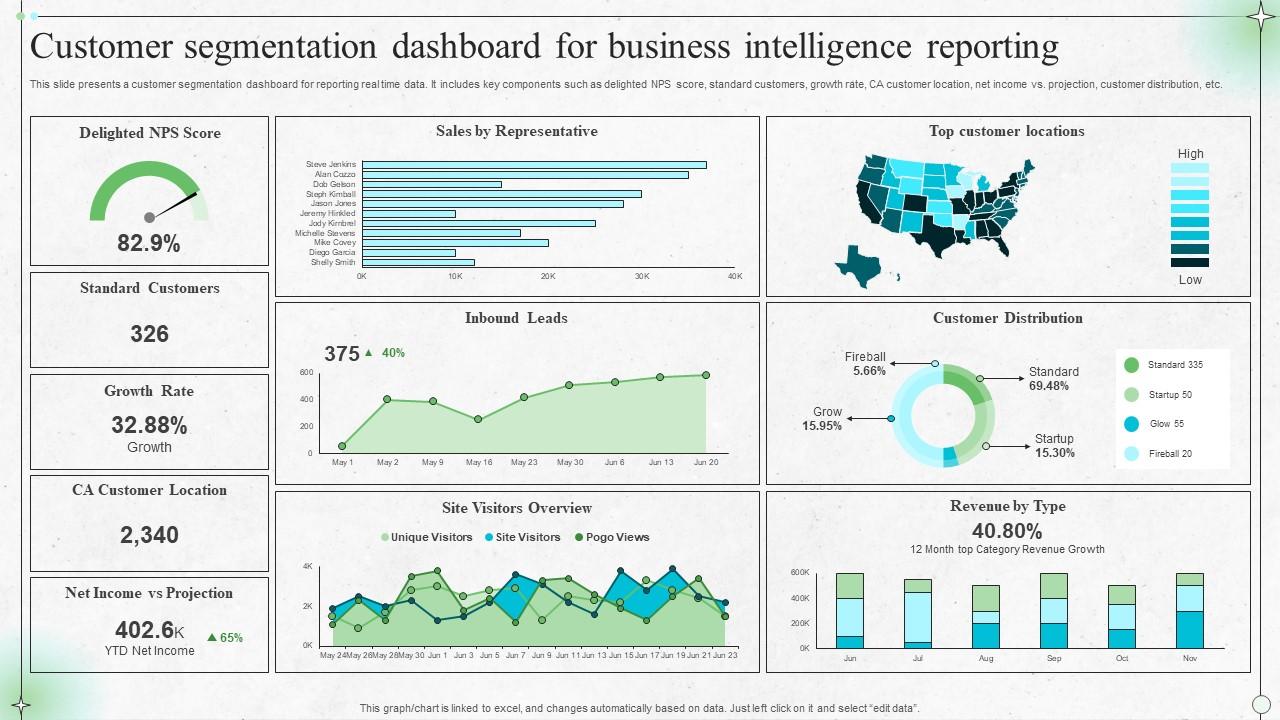
Email campaigns split into sharp groups make winners. Brands surviving on bland, blanket blasts start piling up in the spam folder. 2026 inboxes turn hostile: hundreds of promos rain down every day, most ignored. If you keep hitting send to the whole list, engagement tanks fast. You don’t have to guess—now, the right message lands with the right person, sometimes at the exact minute they might care. Custom content flickers with relevance. Ordinary blasts dissolve without a trace.
Today, email marketing is a sniper job. Segmentation acts as your sight. You sort the audience by what they share—traits, habits, quirks—so every email has better timing and sharper context. Three segmentation frameworks rule the smart campaigns.
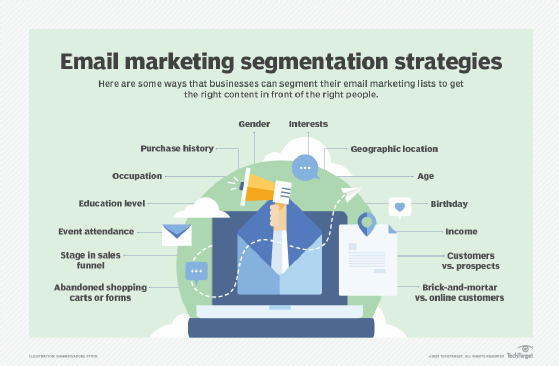
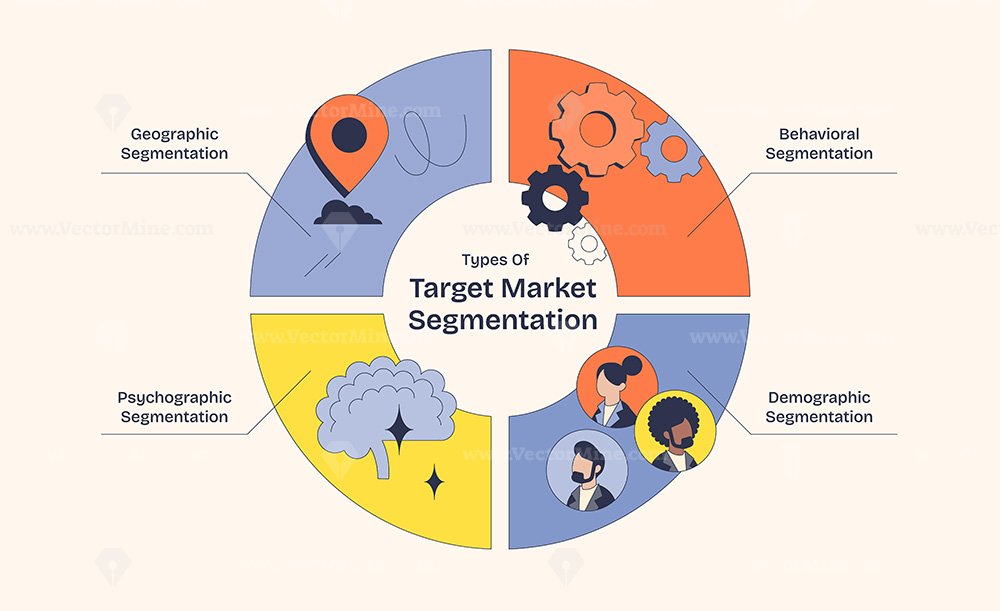
- Demographic segmentation—age, gender, city, job. You’ll address local quirks, weather-driven needs, or even football fever if a city wins a championship.
- Behavioral segmentation leans on hard data: recent checkouts, that abandoned cart on Friday, five opens but zero clicks last month. You can chase what people actually buy, not just what they say in surveys.
- It lets brands find humans, not spreadsheets—like, sustainability deals aimed straight at eco-conscious readers, not just anyone with a list.
Stack those approaches, watch rates shoot up. One brand rewired its flows and saw retention leap 15% in a season. Privacy stays respected, not bulldozed. Email morphs into a channel worth anticipation, not another digital chore. For method and numbers, peek at the latest industry benchmarks on segmentation efficacy.
- Integration strategies for major email campaign software
- Segmentation automation workflows with real examples
- Compliance and privacy considerations for segmented campaigns
- Case studies of successful customer segmentation in email
Core Methods and Principles of Customer Segmentation
Not everyone reacts the same way. These engines eat fresh customer data; stale hunches get left behind. Segmentation splits your customer list into clumps that act differently. You drop the one-size-fits-all ramble, and now you’re hitting the right crowd, at the right minute, with the message they’ll actually read. Stays flat, no spam flood. Segmented blasts miss the pit of irrelevance that sucks in generic campaigns.
Demographic slices land first—age, gender, income, location. You almost always nab these for free. Clean data from sign-up forms seeds broad buckets, so you can run regional sales, age-limited promos, gender-based product drops. Birthday automations—age-based—still anchor dozens of eCommerce setups (in practice). Dirty input, typos or old ZIP codes, detonate the segment. That corrupted field loses you targeting power and relevance.
Who just opens and then disappears? Name the ghost—six months vanished, zero activity, full email blackout. Track purchase rhythm, engagement quirks, or flatlining users and build campaigns that revive or upsell. Workflow triggers for cart abandoners? That “reward the repeat buyer” script? It scales, and no more throwing coupons at the guy who paid full price last Tuesday.
Here you cut by values, interests, attitudes—what people wish they were doing on weekends. Psychographic segmentation escapes surface labels. Fitness brands split users by workout love. SaaS marketers map risk appetite or taste for change. You dig for survey responses, preference panels, maybe scrape social feeds. But payoff is wild when the categorization sticks—a persona shaped by psychographics launches campaigns that actually hit.
Transactional segmentation homes in on money talk: lifetime spend, average basket, buying tempo. There’s your VIPs, the coupon stalkers, one-time browsers—they all slot into a transactional slice. Last purchase date builds win-back flows; order size marks high-value targets for loyalty perks. Your next revenue burst starts here, not just in a generic “everyone” list.
What Is Customer Segmentation in Email Campaigns?

Segments must act and measure—don’t settle for random lines. Some basic rules unify the bunch. You need enough data for a reliable hit. Each group should anchor a sharp business aim. If you slice too thin, you drown in pointless fragmentation; slice too thick, your precision evaporates. Segments are gears—every one moves your automation a notch closer to profit, forming the bedrock behind Essential Customer Segmentation Strategies for Targeted Email Campaigns.
Long-term trust doesn’t drop in your lap. Sharp segmentation draws it out. Recipients begin to see your logo as attentive, not scattered or careless. Statista’s 2026 marketing research stamped it: segmented campaigns scored 35% higher engagement for top eCommerce and SaaS brands. Toss generic lists; build with data, segment with logic. Every champion email playbook leans on these bones.
Segments deliver—not just this month, but for the next year.
Major Segmentation Types for Targeted Email Campaigns

Demographic. Four main ways to split up email lists shape almost every well-oiled email campaign in 2026. Each one slices your contact pile differently, and each one switches on a different set of campaign tools, automations, and strategies. Drop one, and your aims start spinning their wheels. You need sharp definitions and data that actually fit in the real world.
Line them up and you see how each takes center stage for the top-performing lists.
| Segmentation Type | Definition | Typical Data Sources | Primary Advantages | Key Use Case in Email Marketing |
|---|---|---|---|---|
| Demographic | Splits people by basics—age, gender, location, or how much money they make. | Signup forms, census info, CRM notes | Simple to roll out, often everyone’s first try, good for wide targeting. | Send senior deals to the 65+ group, or push back-to-school ads to the right regions. |
| Behavioral | Slices lists by what a user does—visited a site, clicked a link, bought something, downloaded a guide. | Web analytics, email open and click stats, purchase logs | Predicts what people want, sets up automation based on actions, runs win-back and nurture chains. | Ping shoppers who ditch their cart, or auto-send content that connects to their browsing. |
| Psychographic | Cuts deeper—by interests, values, lifestyle, or beliefs. | Surveys, quizzes, what they “like” or post on social | Good for building loyalty, speaks to values or feelings, makes a brand stick. | Campaigns about green living, or vegan cooking showdowns for niche groups. |
| Transactional | Groups folks by what they’ve bought, how big their orders are, what categories, or by RFM: recency/frequency/money. | Purchase logs, shop platforms, loyalty points data | Ties straight to sales numbers, lets you send tight offers, catches VIPs and re-engages old buyers. | Drop secret invites for top spenders or “we miss you” deals for customers who vanished. |
Not complicated—most companies know your age or zip code at least, so you can shoot out mass emails that make a little sense to lots of people. Demographic cuts usually go first. It’s the backbone of the list, but the bone alone won’t win the race. These segments are broad—sometimes they’re all you can do, but they rarely cover the fine details.
These are the bread crumbs customers leave behind—clicked this, browsed that, almost bought, then quit. Email software reads these as if-then commands, building timing into the bones of every campaign. You get to say “If they did X, send Y,” and sculpt every step along the way.
Psychographic digs into why people act (in practice). It’s about taste, purpose, your crowd’s hidden drivers. Subscribers obsessed with the outdoors get bracing photos and “next trip” guides; people who care about green living get info on composting or local co-op deals. Some brands divvy up their lists: thrill-seekers, type-A planners, family caravanners. Everyone gets a custom story.
Types of Customer Segmentation Strategies

People who spend (for the most part). You comb through orders, see who’s hot, who’s cold, and build “keep them close” routines for each. All those loyalty dashboards and “VIP” tags—none are random. They’re grown, bit by bit, from dollars spent and pages landed.
You find gems—say, city-dwelling eco-parents who haven’t made a purchase since winter, or heavy shoppers living in coastal areas who have a birthday next week (roughly). Every layer adds another needle-thread of relevance. Suddenly it’s not just “women age 35-50,” but “women age 35-50 who buy hiking gear and just watched your Mount Evans trail video twice.” The compound effect.
Those “Essential Customer Segmentation Strategies for Targeted Email Campaigns” don’t stop at age and city. The sharpest teams wire up automations directly from these segments into the email machine—nudges, triggers, birthday rewards, next-step nudges, all riding alongside data that’s changing by the day. The real gold sits in signals from what people do, believe, and shell out for.
One case, from a booming e-commerce crew in 2025, comes up again and again. Here’s the number: brands using both behavioral and transactional signals saw repeat buys rise 20% over lists sliced just by age and hometown, per Statista. It wasn’t magic. The trick: clean, up-to-date data and integrations where behavioral cues and spend history trigger each email—no manual sorting, no guesswork, just the raw pipeline flowing.
That means labeling the right fields, scooping up new answers, scrubbing for duds, and updating as people change jobs, move, or lose interest. But all this only works if you keep the map fresh. Leave the fields stale, and segmentation collapses. Keep it alive, and you get clicks, opens, orders—and a list that doesn’t flatline just when you need it moving.
Integration and Automation with Email Campaign Software
Step-by-Step Segmentation Process
- Start by collecting every piece of subscriber information that can be captured through signup forms, surveys, purchase history, and behavioral tracking on your website or app. The more accurate and granular the data, the deeper your segmentation can go — buyers, browsers, and disengaged accounts should all land on your radar.
- Before sorting people, you need data in one place and free from duplicates or outdated details. Run regular cleanups inside your CRM or email platform so each record is usable and you’re not marketing to ghosts or spam traps. Clean lists outperform fuzzy ones.
- Decide what distinctions matter — age, location, purchase activity, engagement level, or product preferences. You shouldn’t create segments for the sake of complexity; hone your focus on factors with concrete impact, drawing lines based on revenue goals or campaign intent.
- Most leading email campaign tools (competing platforms, rival tools, other solutions Marketing Cloud) let you set detailed rules for active or static segments, drawing from tags, data fields, and behaviors. Build these out logically — for example, “repeat purchasers in the last 90 days” or “new signups who haven’t opened an email in 30 days.” The mechanics matter.
- Tailor your messages to each segment’s reality. Use merge tags for field-level personalization and conditional content blocks showing different offers or images based on a subscriber’s attributes. Campaigns with segment-level context drive radically higher open rates and sales, not just vanity engagement.
- Set up automations that trigger specific campaigns when a user enters or exits a segment, like a welcome series for new subscribers or win-back emails for cart abandoners. Linking automation to segments keeps messaging timely and close to actual behavior — a foundation of Essential Customer Segmentation Strategies for Targeted Email Campaigns.
- Run A/B or multivariate tests within segments to compare subject lines, send times, or offers. Controlled testing inside each group, instead of across all subscribers, uncovers which messages work best for distinct personas.
- Track key metrics — open rates, clicks, conversions, unsubscribe rates, revenue per email sent — for each segment independently. Report on these numbers through your analytics dashboard to see which segments pull their weight and which need adjustment. Effective segmentation depends on persistent tuning, not a set-and-forget mentality.
- Once early results arrive, realign your segments and criteria as customer behaviors shift or data quality improves. Trim, merge, or expand segments as campaign goals change. In 2026’s fast-paced email world, static strategies wither; active adjustment keeps you ahead and amplifies the impact of Essential Customer Segmentation Strategies for Targeted Email Campaigns.
Tight segmentation, tested automations, and relentless optimization turn bulk senders into trusted brands. Each step in this segmentation process moves you closer to campaigns that people want to open — and those results are what count when email fatigue is universal. For deeper workflow tactics, major providers like comparable services detail segmentation model proven methods in their guides at competing platforms Email Segmentation.
Proven methods for Effective Segmentation
- Clean and update your customer data before setting up segments. Outdated email addresses, misspelled names, and broken location fields sabotage even the sharpest segmentation plans.
- Standardize how you record every data point. Stick to a single format for joins dates, geographic locations, and lead sources—systems choke when fields spin out of sync.
- Review and merge duplicates regularly. Overlapping contact records fracture engagement scores and skew response rates.
- Define each segment based on a real, measurable outcome, not a guess or hunch. Look for differences in purchase history, open and click rates, or time on site before splitting groups.
- Limiting your segments is a defensive move: too many slices and you’ll end up with lists of three, each with a custom message but zero economy of scale.
- Use clear, descriptive names for every segment. “Recent 90-day buyers in California” means more in your analytics dashboard than “Group 7A.” If you leave, the team should manage fine.
- Lean on automation tools for segment creation and campaign triggers. The best email software builds segments on auto-pilot from behavior or profile changes—manual updating means missed signals and wasted time.
- Set up automation so new subscribers are instantly funneled into the right paths based on real activity—purchase, engagement, survey answers, or demographic fields. Timely, relevant messaging drives the biggest ROI, not batch-and-blast campaigns sent days late because a team member missed a step.
- Keep privacy front and center by only using data your customers have actively shared or agreed to let you use. Scraping third-party enrichment data can land your brand in legal trouble and destroy trust in one campaign.
- Install strong preference centers and opt-out controls. Customers must see what they’re sharing, choose which lists they join, and back out with a single click at any time.
- For hyper-personalized messages, avoid combining sensitive personal signals (like health, finances, or browsing habits) unless you have explicit permission. Use first names, past purchase categories, or general interests, not the stuff that can cross the line into creepy.
- Test your segments with A/B experiments on different subject lines, offers, or send times. Record the open, click, and conversion deltas for each group, then scale what works across your strategy. Always back changes with numbers before rolling out en masse.
- Audit your segmentation rules every quarter. Customer behavior drifts, inbox algorithms shift, and what worked in June might miss in October. Segment decay sneaks in over time.
- Document every rationale and rule you use to separate segments so the strategy survives staff changes and the inevitable relaunch. Clear playbooks cut onboarding time, reduce repeat mistakes, and make it easier to defend privacy policies if regulators ask.
- Check your segmentation performance against industry benchmarks. Statista’s email marketing segmentation metrics offer public targets and shed light on whether you’re falling behind or outpacing your peers.
Leaning on these fundamentals transforms average campaigns into high-impact outreach, aligning every message with intent—this remains the backbone for Essential Customer Segmentation Strategies for Targeted Email Campaigns heading into 2026, especially as compliance and personalization demands tighten.
Common Mistakes in Segmentation (and How to Fix Them)
- Over-Segmenting the Audience
You split the list twelve ways, hoping to get fancy. Instead, you end up with segments nobody can use—maybe nine people here, twenty-three there, none with enough gravity to matter. Tracking feels like chasing fireflies. It’s smarter to build just a handful of segments, all based directly on what the campaign aims to do—move one needle, not a thousand needles one millimeter. Only carve out new groups if you’re genuinely prepared to send something specific and meaningful to them. One decent-sized, active segment outperforms a stack of brittle slivers.
- Relying on Outdated Data
Someone bought a mug in 2020. You don’t know if they even drink coffee now. Your list keeps aging, quietly gathering dust. Roles change, interests fade. Automate your cleansing—wipe old behavior flags clean every cycle. Refresh demographics often, not once a year. Cut anyone unresponsive for months. That forgotten list of slackers saps deliverability and muddies your results.
- Ignoring Behavioral Triggers
Age and city tell you one thing, but clicks and carts shout louder. If you only segment by static facts, you’ll miss the pulse—cart abandoners, serial openers, the ghosts. Build action-based groups: who shopped but bailed, who bought yesterday, who vanished for 90 days. Once you do this, open rates show a new shape. The sharpest Essential Customer Segmentation Strategies for Targeted Email Campaigns always pull both traits and tracks: who they are, and what they do.
- One-Size-Fits-All Content
Why cut the list if you’re going to blast the same line to every bucket? Makes the work pointless. People see through generic blasts—subject lines drift past unopened. You need separate drafts, not just one with swapped brackets. Tweak offers, change timing, even adjust the CTA for each cluster. The only thing segmentation guarantees is a chance to be relevant; you have to land the punch yourself.
- Forgetting Compliance and Preferences
Laws sit quietly until you violate them. There’s risk here—real fines, not just grumpy subscribers. If someone opted out, don’t try to sneak them back. Build segments around permission records. Respect regional privacy rules—GDPR, CASL, take your pick. The safest playbook starts long before that first send: map architecture to privacy-first flows, and use checklists like this GDPR best practice guide. Fire off a blast you shouldn’t, and it’s not your open rate at stake.
- Not Testing and Adapting
Nobody’s first segment tree survives contact with the real world. Behavior loops can break, buying seasons can flip. Bake A/B tests into every send, watch what moves and what stalls. If one slice tanks, reshuffle and target again, fast. The strongest Essential Customer Segmentation Strategies for Targeted Email Campaigns treat change like routine—tuning, pruning, starting over.
Skip the traps above and campaigns get their edge back—personal, relevant, actually legal.
The main points and What Matters Most
Email campaigns pull in more money and stay quick when you slice the audience by what they actually do, what they just bought, and if they even bother opening your emails. A bunch of brands split their lists with two, three, even four blades—demographic, psychographic, geographic, behavioral, everything in a pile—and watch as open rates fire up and retention holds tighter than a July humidity wave in Atlanta. Spray-and-pray churns, but slicing wins.
OK, here’s the core loot from that guide.
- Dig deep in your email tool. The big names will let you wire up sales logs, website taps, and support tickets—suddenly segmentation becomes a click-and-drag, and automation kicks in without you babysitting after set-up day.
- Map your automation where the money clings: that abandoned cart someone walked away from, new folks who just found you, or lapsed customers limping back. Set rules that twist and shift when the data says jump.
- Run regular checks through your segmentation logic before a regulator calls. Archive every single opt-in record. Keep a clean count of data shelf lives, or stumble into a GDPR headache when the audit truck rolls in.
One filter won’t cut it forever. Hit 2026 with lean lists, data cleaned weekly, and you’ll claim that inbox spot and probably keep it. People drift—last purchase six months ago, now they’re gone. The teams with the sharpest teeth run A/B tests behind the curtain; stale segments get axed, anything that’s working today gets expanded. Privacy law? It’s a vise that keeps tightening, and 2026 won’t loosen it for your brand. The best marketers treat “Essential Customer Segmentation Strategies for Targeted Email Campaigns” like kitchen rules, not trivia—no guesses allowed, just month-by-month results actually tracked.
The DMA’s 2026 Email Benchmark Report breaks out independent numbers on retention and compliance.