Why White-Label SEO Auditing Tools Matter for Freelance Agencies

Scaling freelance SEO isn’t just about good optimization. It demands professionalism and efficiency clients actually trust. Many freelancers lean on white-label SEO auditing SaaS platforms. These let agencies whip up detailed, branded reports that show off their skill without naming the software behind them. That’s key if you want clients to see you as the expert, not a middleman using someone else’s tools.
They handle the boring audit tasks automatically, freeing your time for strategy and action. White-label platforms keep your brand front and center while delivering deep technical insights. Freelancers building lasting client ties depend on these tools to create slick, customized reports that highlight key SEO issues like site speed, broken links, and on-page fixes.
Picking the right white-label SEO auditing SaaS for freelancers is a puzzle. Prices, features, and customization vary a lot. The best tool balances cost with analysis power that grows as your client list swells. A bad pick can nip growth in the bud—maybe it limits branding or misses audit details. Freelancers need straightforward dashboards that churn out clear, practical tips clients get instantly.
Demand for white-label audit tools shoots up as freelance shops face tougher client standards and fiercer competition. Delivering audits under your own name builds trust and shows off real tech skills. These reports become the backbone for SEO advice that actually moves the needle, helping agencies score repeat business.
Key upsides of white-label SEO auditing SaaS for freelancers include:
SEOptimer: Overview and White-Label Features
- Full audits that dig into technical SEO, on-page factors, backlinks, and competitor analysis.
- Report templates custom to fit your agency’s branding and voice.
- Auto-generated audits that save hours of grunt work per client.
- Easy-to-use client portals for tracking ongoing SEO performance.
- Integrations with marketing tools and CMSs that smooth out workflows.
Freelance agencies investing in these platforms gain an edge—clients get deliverables that look like custom consultancy, not cookie-cutter software printouts. This builds credibility, locks in clients, and drives referrals. But oddly, many agencies don’t realize how much white-label SEO auditing can level up their offering (in plain terms).
Case studies show businesses using white-label audits tend to see regular gains in client wins and satisfaction. By 2026, the market has settled with players like SEOptimer and WooRank standing out for clear pricing and solid features (generally). So choosing your tool is strategic, far from just a nice-to-have. If you want to grow, your choice here shapes a professional brand clients can count on.
Coming up, we dig into how top white-label SEO auditing SaaS platforms stack up on price, features, and user experience—helping you zero in on the best match for your agency’s growth. You’ll also find vetted client wins and specific use cases proving each platform’s value. That clarity is key when you’re moving from solo freelancer to trusted SEO player.
Our analysis pulls from fresh 2026 market data, official pricing sheets, and real customer reviews. It offers exact advice on delivering branded SEO audits that impress clients and boost your agency’s standing. Knowing these tools inside out turns SEO freelancers into tough competitors with a sharp brand presence.
Using clear, white-labeled SEO reports that nail both technical fixes and strategy lets freelancers prove real value. That sets the stage for growth beyond rivals still pushing bland, unbranded audits. Smart choices here future-proof your agency against being just another commodity and package your skills for lasting success.
WooRank: Pricing and Competitive Advantages
Consider this your launchpad for owning brand authority and boosting your freelance SEO impact in 2026. If you’re serious about scaling, the deep review and comparison ahead is your guide to smart software buys that build trust, cut time, and win clients.
Want more? It breaks down how automated rank tracking teams up with audit tools, dovetailing perfectly with this article’s focus.
- SEOptimer — Pricing available from $6/month via SEOptimer Group Buy reducing expenses by half
- WooRank — Its Premium Plan includes unlimited website reviews and optimization for one website with a Project.
- SpyFu — Free tier allows 10 audits per month with user branding but includes a small MetricSpot footer line
- Sitebulb — Free tier allows 10 audits per month including cover branding with user logo and color scheme.
- Screaming Frog SEO Spider — Free tier allows up to 10 audits per month including branded reporting with user logos and colors
- Ahrefs — Offers a free tier allowing 10 SEO audits per month with client branding options
| Product | Our Rating | Best For | ||
|---|---|---|---|---|
 |
1SEOptimer |
4.3/5
|
White label SEO agencies | Read More |
 |
2WooRank |
4.4/5
|
SEO audits | Read More |
 |
3SpyFu |
4.7/5
|
Scaling SEO agencies | Read More |
 |
4Sitebulb |
4.8/5
|
Free tier allows 10 audits | Read More |
 |
5Screaming Frog SEO Spider |
4.7/5
|
Agencies with multiple clients | Read More |
 |
6Ahrefs |
4.6/5
|
Offers a free tier allowing | Read More |
 |
7Moz Pro |
4.8/5
|
Free tier provides 10 SEO | Read More |
 |
8BrightLocal |
4.9/5
|
Local SEO agencies | Read More |
SEOptimer: Overview and White-Label Features
Freelancers and small teams like this because it’s cheaper than usual plans. SEOptimer starts at about $6 a month by pooling users together to cut costs. But if you don’t join the group plan, pricing gets fuzzy—making it tricky to figure out if it’s a good deal.
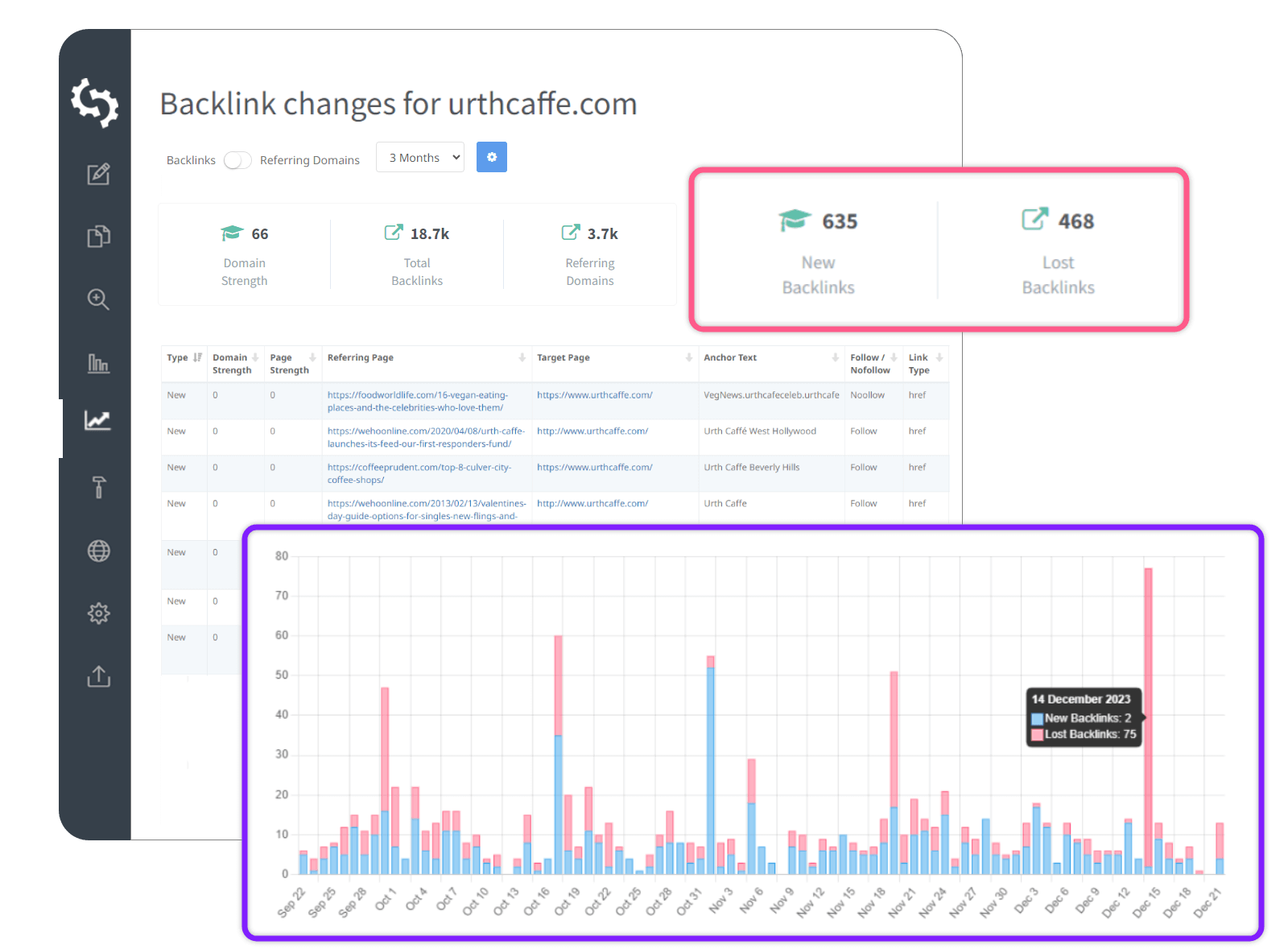
Still, overall pricing isn’t so transparent unless you buy in together, and the fancier SEO features hide behind pricier plans. SEOptimer tends to draw in smaller marketing outfits wanting combined SEO data in one place with backlink info, while those needing clear support contracts and pricing might look elsewhere. Compared to WooRank, SEOptimer stands out with clearer, cleaner reports and built-in backlink tracking that taps into extra analytics tools. WooRank shows prices openly but generally misses SEOptimer’s deeper backlink and AI content tools.
The main draw of SEOptimer is its budget-friendly start through group buying plus AI-powered audits including competitor and keyword checks. Marketing teams get solid insights in neat reports without blowing the budget. It’s best for users who want affordable, all-in-one tools instead of enterprise-level service promises.
The pricing style here matches a wider trend: buying together lowers costs but hides price details. Linked case studies on backlink tracking add to SEOptimer’s strengths by showing how those tools plug into larger SEO work. That fits with what top SEO software market reports often find.
| ✓ Pros | ✗ Cons |
|---|---|
| Pricing available from $6/month via SEOptimer Group Buy reducing expenses by half | No explicit mention of dedicated support response times or SLA commitments |
| Provides well-organized reports with clear SEO issue breakdowns for fast insights | Pricing details are not readily transparent without using the Group Buy option |
| Supports backlinks monitoring with integrations like Google Analytics and Respona | Some advanced SEO features may only be available in premium White Label or Embed plans |
| Includes AI content creation, keyword research, competitor and backlink analysis features |
 WooRank: Pricing and Competitive Advantages
WooRank’s pricing starts at $100 a month, climbing to $500 for the top-tier plans. Serious SEO pros will find it worthy, but smaller outfits or early-stage startups might flinch. This tool isn’t aimed at budget players. There are caps on how many sites you can improve in a single Project. To push beyond them, you must upgrade to Premium. That blocks access to certain features, which frustrates users managing several websites or watching every dollar closely.
SEOptimer offers more pricing options and better suits agencies juggling multiple client sites. Put WooRank next to SEOptimer, and the contrasts become clear quickly. Its white-label features open up at lower tiers, helping businesses with branding from the start. WooRank zeroes in on one domain per Project, perfect for solo pros or firms focusing on a single online presence. It’s less welcoming to agencies that need to scale across dozens of domains without breaking the bank.

Users who want tight, practical tips and fixes around their main domain will find value here. The real strength in WooRank lies in its close looks on one site. This explains why many are willing to pay for a monthly premium plan. But that $500 ceiling tightens quickly for anyone handling extensive portfolios. It resists wide-ranging SEO tactics across multiple domains. In short, WooRank works best for solo experts or in-house teams who crave thorough SEO checkups without spreading attention too thin (broadly speaking).
Industry research supports this approach: higher-priced SEO tools often yield stronger rankings and healthier sites over time. Decision-makers must weigh upfront costs versus long-term SEO gains when considering WooRank. While SEOptimer entices agencies with cheaper plans for multiple clients, WooRank carves out its niche by delivering sharp audits and clear fixes focused on one website. That laser focus defines both WooRank’s power and its limits.
| ✓ Pros | ✗ Cons |
|---|---|
| Its Premium Plan includes unlimited website reviews and optimization for one website with a Project. | WooRank’s pricing starts at $100 monthly, which may be expensive for smaller businesses. |
| Pricing plans range from $100 to $500 per month, covering Pro to higher tiers. | The Project feature improving one website is limited to the Premium Plan, restricting lower-tier user capabilities. |
| Users appreciate WooRank’s domain overview and actionable on-page SEO fixes. | The highest-tier plan reaches $500 per month, which might not fit all budgets for extensive SEO needs. |
 SpyFu: User Case Studies and Real-World Performance
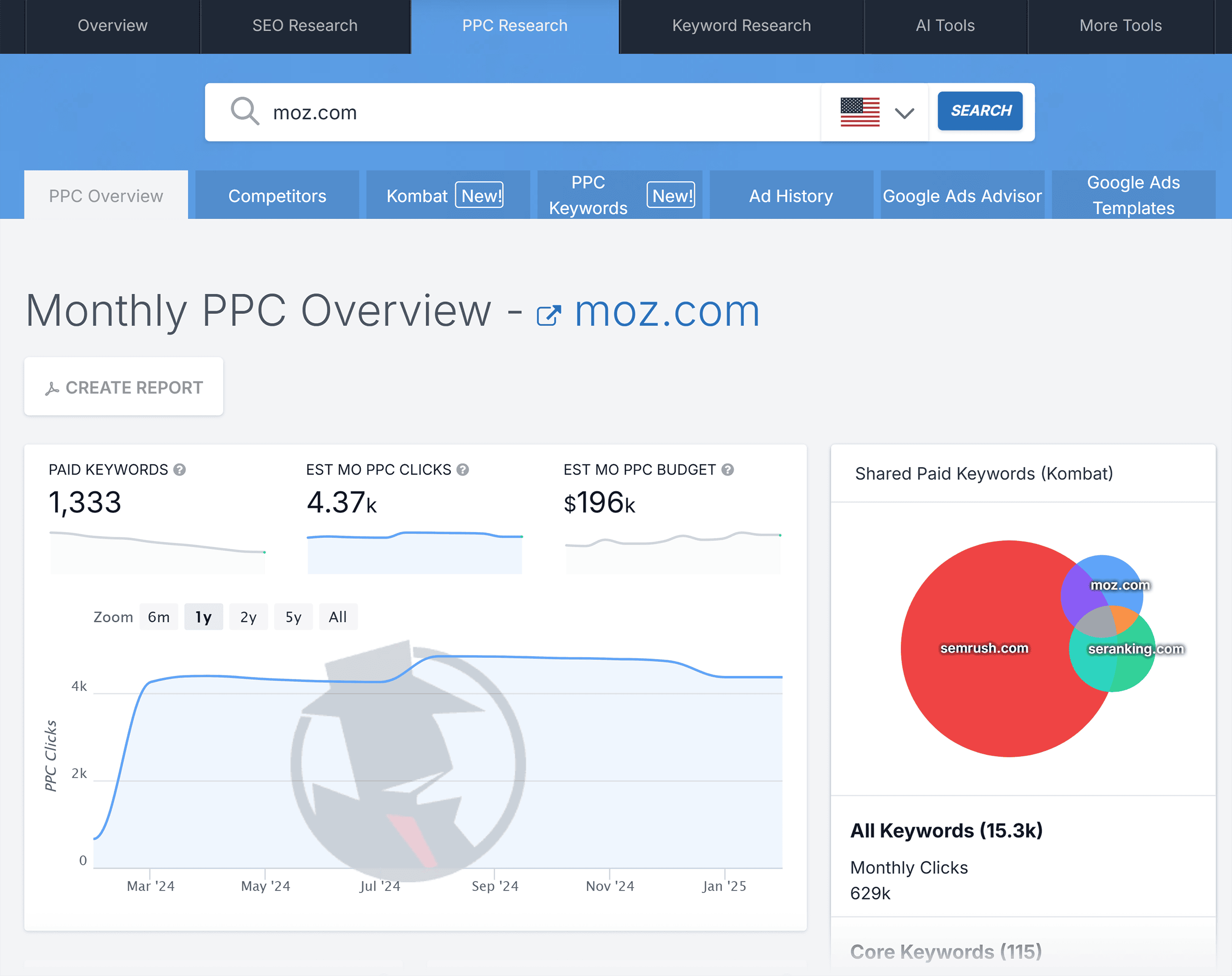
Agencies don’t love that—it hurts the polished look they want for clients. SpyFu’s free plan lets you run only a few SEO audits and sticks a third-party logo on reports. So, many opt to pay. The starting fee isn’t cheap. Add on white-label branding, and the monthly bill can balloon fast, especially for smaller teams. Costs climb with how many clients and features you need, sometimes nearing $500 a month for heavy use (generally).
Unlike WooRank, which hides prices behind vague info, SpyFu lays it all out. But freelancers or startups hunting for simple, low-cost plans might shy away because add-ons stack up quickly over base fees. What sets SpyFu apart is its clear pricing tiers and modular fees. You pay separately for white-label branding instead of getting it bundled—helpful if you just want that feature, not extras. Agencies handling a medium slate of clients with a focus on brand customization find this handy (as a rule).
Agencies get to stamp their own brand on client material, which strengthens trust and ownership. The real hook for SpyFu is its white-label SEO reports. The clean split between base costs and optional upgrades means you can scale thoughtfully — though you really have to budget carefully once branding extras enter the picture. Firms with big branding needs and lots of clients will likely get their money’s worth. Smaller outfits need to weigh whether the brand polish is worth the extra cash. SpyFu shines mostly for mid-market agencies chasing clear budgets and neat branding, but its price and complexity don’t fit lean or budget-tight teams as well. If you want solid report customization paired with manageable audit quotas, SpyFu’s worth a look—just watch out for the layered fees.
To dig into audit limits and pricing details, check out reviews like Essential Website Audit SaaS Solutions For Finding Broken Links or A Complete Review Of The Best On-Page SEO Audit Tools For Beginners.
SpyFu’s White-Label SEO Features and Pricing Actives
The base plan, priced annually, puts SpyFu in the premium entry-level zone—it tries to mix cost with options. But for smaller or fluctuating rosters, predicting costs gets tricky. SpyFu’s white-label tools boost an agency’s power to tailor reports but add a hefty surcharge that can drastically hike subscription fees. Detaching white-label prices fits agencies ready to spend for branded reports, letting them budget precisely based on how much they need.
It’s an easy on-ramp but hurts the professional shine of reports. SpyFu appeals mainly to those who value transparent pricing and top-tier branded experiences. The free plan imposes audit caps and mandatory SpyFu branding. Organizations fixated on saving money must weigh those savings against how clients might see their outputs. Paid plans ditch external logos but bring higher prices than rivals like Ahrefs or competing platforms Pro, which bundle similar tools.
Independent reviews slot SpyFu mid-range, praising its white-label features that justify spending more. SpyFu’s sweet spot is agencies managing multiple clients with a balance of audit cadence and branded, polished reports—all while keeping costs upfront and predictable. Those details matter when agencies gauge the trade-off between costs and sharper brand presentation.
For a wider take on the market, SpyFu’s pricing and clientele appear in deeper studies like G2’s report on SEO software cost and features.
| ✓ Pros | ✗ Cons |
|---|---|
| Free tier allows 10 audits per month with user branding but includes a small MetricSpot footer line | Free tier audit reports carry MetricSpot branding which may reduce professionalism in client presentations |
| Paid plans start from $30/month, with core plan pricing at $52/month billed annually | White-label capabilities are an add-on costing $20 to $99 monthly, increasing total subscription fees |
| White-label SEO features are available for an additional $20 to $99 per month on top of the base plan | Core plan’s base price of $52/month is relatively high compared to other entry-level SEO tools |
| Monthly costs for small agencies managing 5-10 clients typically range between $100 and $300 | Pricing scales steeply up to $500/month depending on client seat count and report volume |
 Sitebulb: Feature Comparison Table and Insights
Sitebulb’s free plan suits users with simple audit needs and is one of the few to offer branding control for free. Perfect for solo pros or small teams who aren’t scaling up fast. But as you add clients and run more audits, prices jump clearly. You won’t get hidden fees; you see exactly when it’s time to upgrade or pay more. Still, the nearly $500 top tier can sting for agencies juggling many clients or big reports. Teams must weigh depth against cost.
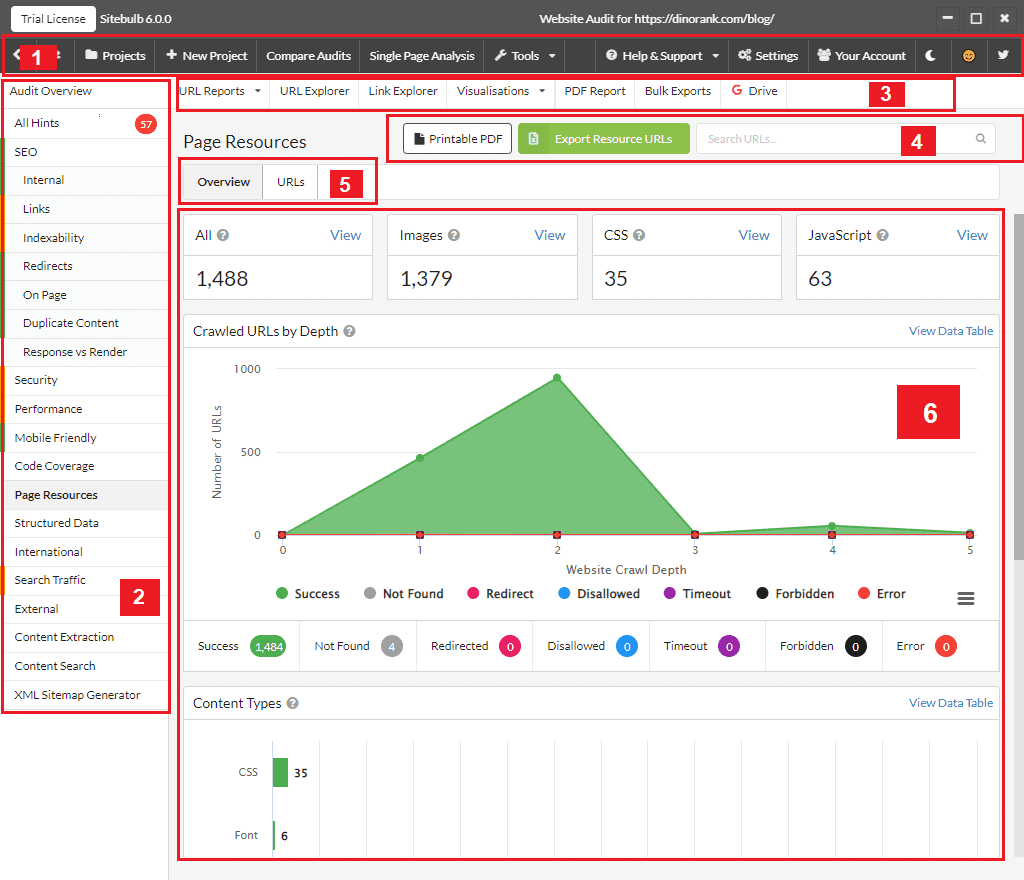
Compared to rivals like WooRank, Sitebulb lays out its charges plainly—especially for white-label branding—instead of tucking them away. That makes it easier for agencies to budget, especially those who want sharp, client-ready reports. Its monthly fees aren’t cheap against basic alternatives. Yet the tiered model neatly separates freelancers and boutique shops from larger teams. Big groups might flinch at rising costs.
One standout: even the free version grants branding control—a rarity among SEO audit tools that usually lock this behind paywalls. The step-up pricing and clear features help solos move smoothly into managing multiple clients, balancing power and price. That hooks smaller users early, particularly those craving slick reports. Paid plans add client management and bigger reporting capacities, with add-ons growing as agencies expand.
Users boost professionalism without paying upfront. Offering footer changes and other branding tweaks for free tightens Sitebulb’s grip, especially for agencies wanting their identity front and center in reports. It aids branding. This focus fits with hands-on report polishing and straightforward pricing, pushing steady use over surprise bills. Competitors might offer cheaper options for many clients, but Sitebulb’s combination of audit quality and open white-label perks keeps it relevant for those wanting clear messaging and consistent results.
In the moderate-budget sector, Sitebulb’s free branding plus upfront upgrade pricing fills a hole for users who want customization without hidden fees. The near $500 ceiling fits agencies needing multiple audit seats and heavy reporting, preferring fixed costs to vague quotes. Freelancers get yearly rates that balance price and features. This layered pricing positions Sitebulb firmly in the middle—not as bare-bones as entry-level tools, but far less complex or pricey than enterprise suites.
SpyFu: User Case Studies and Real-World Performance

Clear white-label fees invite users to try professional looks without surprises, smoothing out billing tied to clients. This fits freelancers and small to mid-sized agencies needing growable, custom audits without billing mysteries. Sitebulb’s focus on agency branding puts it ahead of many SEO auditors that either skip branding or tack it on as a costly secret feature. The audit limit on free plans pushes users to grow but still lets serious test runs with brand controls that impress potential customers.
| ✓ Pros | ✗ Cons |
|---|---|
| Free tier allows 10 audits per month including cover branding with user logo and color scheme. | Free tier usage caps audits to 10 per month, limiting larger agencies without upgrade. |
| Paid plans start around $25 to $30 per month enabling growable SEO auditing capabilities. | White label report features require an additional $20 to $99 monthly fee beyond base cost. |
| Pricing ranges up to $500 per month depending on client seats and report volume for agencies. | Monthly core plan pricing at $129/month is considerably higher than entry-level tiers. |
| White label features can be added for $20 to $99 per month on top of base fees. | Scaling beyond 10 clients or higher report volume can push costs toward $500 monthly. |
| Small agencies with 5 to 10 clients typically spend between $100 and $300 monthly. | |
| Sitebulb supports branding of audit reports including footer customization in free tier. | |
| Annual Core plan pricing starts at $52/month offering more advanced auditing for freelancers. |
 Screaming Frog SEO Spider: Testing and Audit Results
But the reports come with branded headers and footers that block full customization. You can pay extra to ditch the branding, which creates a sharp line between who gets what—more audits or cleaner reports. Screaming Frog SEO Spider’s entry-level option lets small users run initial audits. If you want deeper reports or need to manage agency clients, you’ll have to upgrade. Paid plans kick off at $30 per month. The pricing clearly splits casual users from pros.
Their Core plan also costs more, especially for freelancers. Compared to Sitebulb, Screaming Frog’s free tier is tighter, letting you crawl fewer pages. Sitebulb offers some white-labeling at a lower base price. Screaming Frog, however, lets you tweak reports more precisely—a bonus if you really care about brand consistency in client decks. That said, white-label features add monthly fees. For small agencies or solo consultants, total costs can balloon fast. So, Screaming Frog fits best with mid-sized or larger agencies juggling multiple clients and wanting polished branding. Tight budgets find less value here.
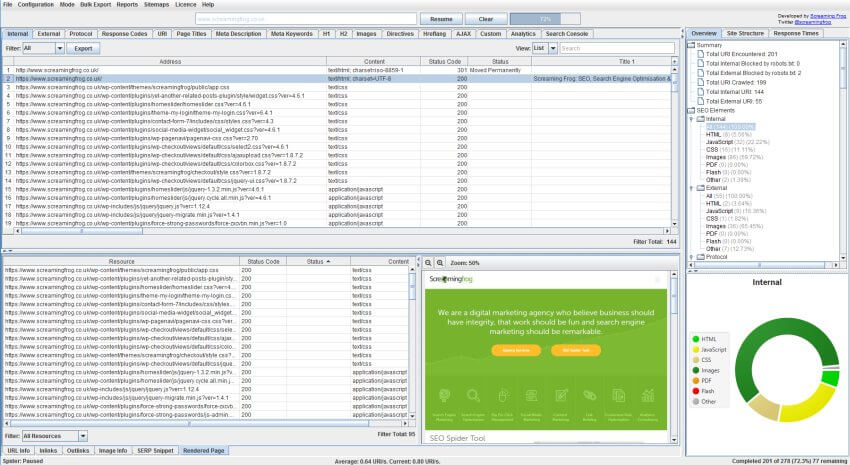
It matches audit limits and branding control to agency size, all wrapped in a transparent pricing ladder. Screaming Frog SEO Spider shines with its layered service model. The free plan’s usage caps and mandatory branding keep it limited. But the first paid tier ramps up crawl capacity enough for complex client projects. Dropping third-party branding costs extra but lets agencies present clean, professional documents. For smaller users, this stack of fees can sting, showing the tool’s real focus: agencies aiming for thorough SEO analysis plus client-ready, brand-safe reporting that supports their growth ambitions.
| ✓ Pros | ✗ Cons |
|---|---|
| Free tier allows up to 10 audits per month including branded reporting with user logos and colors | Free tier reports include MetricSpot branding, limiting fully white-labeled usage without upgrade |
| Paid plans start from $30 per month, enabling scalability for agencies managing multiple client projects | Base Core plan starts at $52/month annually or $129/month monthly, relatively high for freelancers |
| Supports white-labeling features for an additional $20 to $99 per month to remove MetricSpot branding | White-label features cost extra on top of base fees, increasing total monthly expenses to $100–$300 for small agencies |
| Limited free tier usage caps at 10 audits per month restrict larger workflows without paid subscription |
Ahrefs: Pricing Transparency and Feature Breakdown
But if you want to drop their third-party branding or fully customize reports, you pay extra. They must weigh the extra charge for branded reports against what they earn. Ahrefs starts you off with a small number of SEO audits per month. Prices jump fast for bigger plans. They base cost hikes on how many client seats you need and how often you run audits. Agencies dealing with many clients or frequent reports face clear budgeting choices.
Ahrefs splits these charges out, making agencies pay separately to hide the Ahrefs logo—a perk many firms find essential. Other tools like SEOptimer toss white label features into lower-cost packages. That raises the bar for freelancers or small agencies needing regular audits or full branding. The free and entry-level plans limit what they get. For teams juggling 5 to 10 clients, monthly fees can climb into several hundred dollars. This cost can steer which tool they pick. Branding matters.
So, Ahrefs fits agencies with hefty audit needs willing to spend for slick, client-ready looks. Including branding on free plans nudges users toward paid upgrades. But it could shut out early-stage or lean shops wanting free, all-in-one branding.
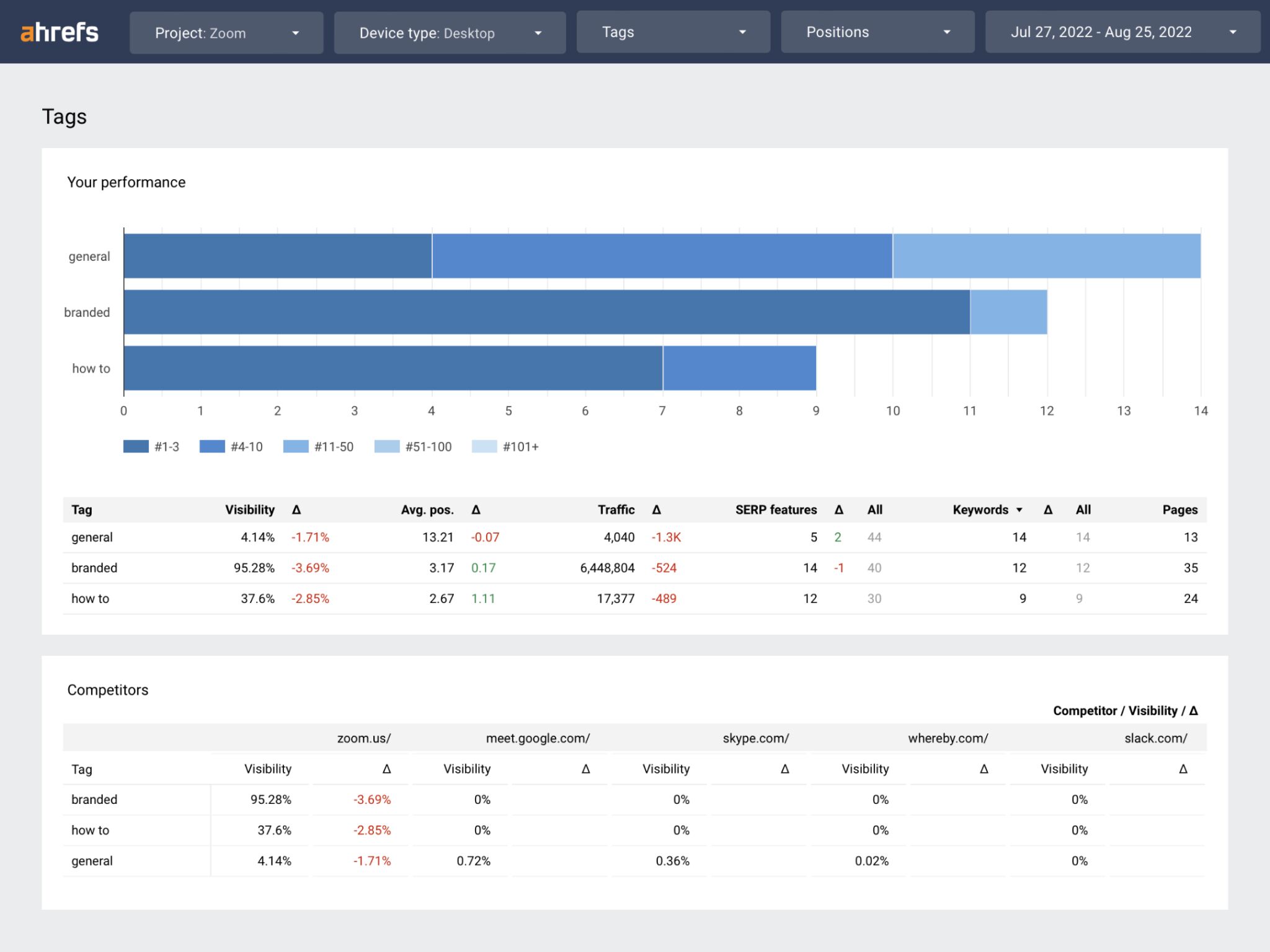
Their tiered pricing, plus the add-on white label fee, works as both a gate and a sales push. Agencies chasing detailed, tailor-made SEO audits with branded client reports get what they want here. But the extra cost for white label access complicates budgets, especially for smaller outfits trying to stay under $100 a month. Ahrefs draws users who want to grow audit volume and branding polish—and accept rising costs for solid features. That mix sets a niche where Ahrefs shines but feels pricey for cost-tight or minimalist users. For a wider look at SEO tools, see Data-Backed Analysis Of The Best Automated Rank Tracking SaaS Tools For Local SEO Savings for more details.
Ahrefs White Label Pricing and Features
You open up Ahrefs’ white label features only by paying an added monthly fee on top of your base plan—between $20 and $99, depending on your tier. So, white labeling isn’t built-in; it’s a premium option focusing on managing volume and brand control. The free plan offers some audits but shows external branding that can hurt your client’s image and your agency’s professionalism. Paying for a higher plan removes those logos and lets you add client-specific branding to reports. That’s key if your agency wants custom, polished deliverables. Fees rise with your team size and audit numbers—big setups can pay close to $500 a month.
Compared to competitors bundling white label options more easily, Ahrefs’ extra cost shapes vendor choice. Agencies with medium to large client lists can tap Ahrefs’ scale and branding tools but must juggle the layered fees. This pricing quirk suits businesses needing audit volume caps plus clean branding, ready to invest to keep their agency’s look spotless with no third-party logos.
The in-depth audit stats at Ahrefs’ SEO site audit documentation back up the tool’s strength as a growable audit platform with optional white label control.
In the end, the split in cost and features makes Ahrefs a smart pick for mid-sized agencies pushing branded reports. But it’s less friendly for startups or solo pros wanting wide audit freedom with low expenses.
| ✓ Pros | ✗ Cons |
|---|---|
| Offers a free tier allowing 10 SEO audits per month with client branding options | White label SEO features require an extra $20–$99 monthly fee above the base plan cost |
| White label features open up at an additional cost between $20 and $99 per month | Total monthly costs for small agencies managing 5-10 clients range between $100 and $300 |
| Top-tier plan pricing ranges up to $500 monthly, adjusting for client seat count and report volume | Starter and pro plans limit free audits to 10 per month, restricting higher-volume usage |
| MetricSpot branding applies in the free tier audits unless upgrading to paid plans |
 rival tools Pro: User Reviews and White-Label Benefits
Alternative options Pro’s free plan lets you run a few SEO audits each month and slap on custom branded covers. Other tools often offer clearer tiers with fewer add-ons, so other solutions Pro’s tangled pricing might scare off agencies wanting simple, steady costs. That helps with recognition. But it can block users who need more audits without paying upfront. The paid plans start cheap enough, yet costs climb fast once you add must-have things like white-labeling. Small agencies feel that pinch hard. Monthly bills can spike to levels that seem out of reach for tight budgets.

The platform churns out PDF reports in six languages, showing it’s built for global clients and pros who work across markets. Startups or freelancers hunting for affordable, all-in-one tools probably won’t find the right fit here. Still, the higher base price plus extra fees for white-labeling might make small teams or solo consultants question the value. Comparable services Pro mostly fits bigger agencies that have the workload and dollars to back premium plans.
Competing platforms Pro scales well when agencies handle multiple projects. This pricing game cements rival tools Pro as a top-tier platform aimed at agencies that want polished, client-ready reports—not bargain hunters or low-volume users. But every jump in usage nudges prices higher, squeezing budgets. Its layered price setup pushes long-time clients toward spending on branding and local-language reports. New users hit a wall with these extra charges.
Put next to tools that focus on low-cost and easy branding, alternative options Pro’s big ask for white-label access stands out clearly. It offers solid multilingual and presentation chops but trades off clear-cut pricing. Agencies chasing those strengths have to weigh cost and complexity against the payoff. For seasoned SEO shops with deep pockets and complex workflows, other solutions Pro makes sense. Smaller outfits or budget-watchers will likely find easier, cheaper options elsewhere.
The need to plan carefully around white-label fees shows the give-and-take here. Competitors often let users brand simply without heavy charges. Multilingual reporting is a sharp edge for comparable services, but it comes with a premium price tag. This splits the market: steady teams with lots of clients get the best use. Newcomers or solos who care most about cost may pass. Knowing this divide is key when sizing up competing platforms Pro versus other SEO audit tools.
Sitebulb: Feature Comparison Table and Insights

| ✓ Pros | ✗ Cons |
|---|---|
| Free tier provides 10 SEO audits per month with branded cover including your logo and colors | White label features require an additional $20-$99 monthly on top of base plan fees |
| Paid plans start at $30 per month, growable for agencies managing multiple client projects | Base Core plan costs at least $52/month with annual subscription pricing, higher for monthly |
| Supports multilingual report delivery including PDFs in 6 languages for diverse client needs | Total costs for small agencies typically range between $100 and $300 per month including client seats |
| Limited free tier usage caps can restrict audit volume before requiring paid plan upgrade |
BrightLocal: White-Label Services and Pricing Overview
BrightLocal’s pricing targets agencies focused on local SEO, especially map pack rankings. So, BrightLocal suits agencies ready to invest in local SEO tools and adapt their workflow quickly, though it’s tougher for people watching every dollar or who need more trial time. Its tiered plans vary by how many locations you can manage and how many bonus credits you get. This setup clearly aims at agencies juggling multiple sites. Competitors like WooRank offer fewer or less clear location perks, often at similar or higher prices. But the bulk rate for citation building nears $300 for big volumes, which could hurt smaller agencies with tight budgets. The trial lasts just 14 days—that’s a short window for testing, making some newcomers hesitate or those wanting more time to feel out the tools.
Users report a 35% jump in map pack reach after three months on BrightLocal. That’s a sign it’s built for real local growth, not just broad SEO tracking. The platform works well for agencies that want either hands-on control or full-service support, fitting different business setups. Yeah, citation management costs can seem steep upfront (roughly). But agencies watching local rankings closely find the results worth it. It’s a fit mostly for mid-sized teams with local SEO budgets and plans to grow. Smaller shops might balk at the price and short trial.
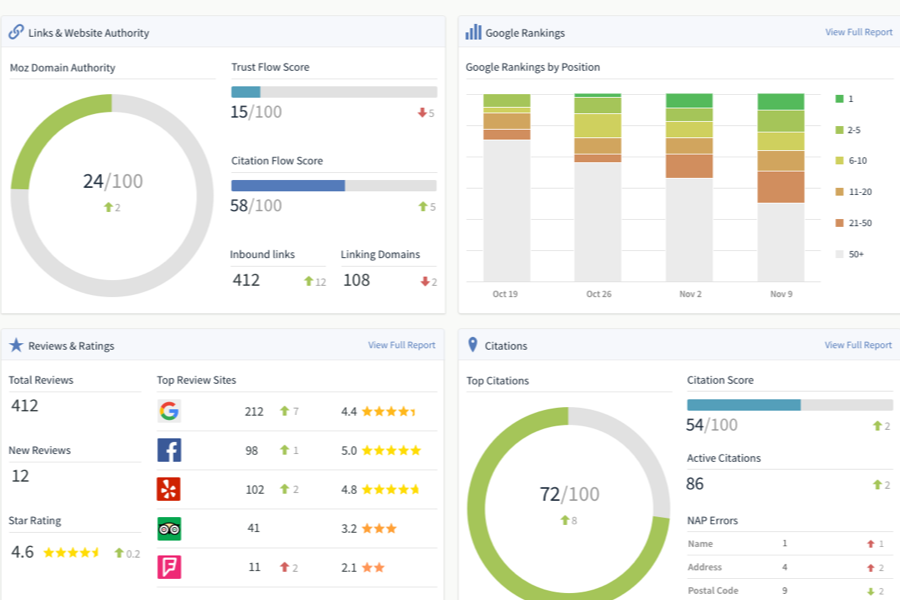
The pricing tiers clearly gear toward agencies managing many locations and needing room to scale. More credits help with growth and flexibility. Despite costlier bulk citation building, discount options try to balance expense with quality. The 14-day trial forces decisions fast—smart if you already believe in it, but harsh if you want time to explore. BrightLocal stakes out a niche sharpening local pack reach, often beating rivals without its local focus, by delivering custom tools and clear ROI for aligned agencies. Real local focus.
BrightLocal White-Label SEO Capabilities
Its white-label reporting lets agencies deliver SEO audits under their own brand—a must for client trust and polished presentations. These white-label features come with standard plans, meaning no surprise add-on fees and easier budgeting. Still, public docs say little about handling many clients, leaving some doubt versus competitors that spell out multi-client support. Agencies may have to ask for details before they pick.
This reduces headaches from juggling separate apps for local SEO. The focused metrics help agencies track gains and decide next moves, unlike broader SEO tools that miss local depth. BrightLocal bundles rank tracking, citation management, and review monitoring in one dashboard (generally). That’s a win for agencies watching lots of locations—it simplifies data and strategy work, showing BrightLocal’s local SEO chops.
You can DIY or go full-service here. This mix suits different tastes but could price out smaller or less experienced teams wanting cheaper entry or longer tryouts. Smaller agencies on a budget might like DIY but beware citation building can run up to nearly $300 at scale. Bigger agencies might pay for experts to speed up projects and reach more clients.
BrightLocal fits agencies serious about local SEO, especially those managing multiple locations and chasing better map pack rankings. Its pricing and services push for efficiency and expert help, needing agencies to budget enough and move fast. It delivers solid local reach boosts and growable tools, but those watching costs or wanting longer trials should size it up carefully before signing on.
| ✓ Pros | ✗ Cons |
|---|---|
| BrightLocal’s Track plan starts at $39 per month, offering local SEO tracking for agencies. | Free trial of BrightLocal provides only 14 days, limiting time to evaluate platform adequacy for local SEO. |
| Manage plan at $49/month and Grow plan at $59/month include ad-hoc credits based on locations. | Citation building costs can reach $300 for 100 citations, which may be a higher upfront cost for smaller budgets. |
| Clients achieved an average 35% increase in local map pack reach within three months of use. | |
| Offers affordable citation building at roughly $2 per citation with bulk discounts for up to 100 citations. | |
| Supports both DIY platform access and full service options, catering to different workflow preferences. |
Common Questions About White-Label SEO Auditing SaaS Platforms
Understanding White-Label SEO Integration
White-label SEO platforms let agencies slap their own name on audit reports. That keeps freelancers looking sharp and makes clients think the agency did the work. Many platforms also offer customizable reports so agencies can tweak the look and words to fit their style perfectly.
Cost Structures and Pricing Transparency
Most platforms charge by audit count, number of users, or features unlocked. SEOptimer, for example, lays out simple packages with clear prices and no hidden extras. This setup helps agencies plan budgets without surprises. You can also check out WooRank and SpyFu—they each have several pricing tiers with different audit limits to match various needs (roughly).
Key Features That Differentiate Platforms
Most tools share basics: site health scores, backlink checks, on-page SEO analysis, and competitor benchmarking. Some, like SEOptimer and WooRank, push automated client reports with white-label options baked in. Others hook into bigger suites like Ahrefs or rival tools Pro for deep keyword research. Picking a platform mostly boils down to which features fit your clients’ real needs.
Client Testimonials and Proven Outcomes
Real case studies show agencies winning with these audits. SpyFu’s client quotes talk about higher search reach and better campaign wins after using their audits. Agencies often pick tools that come with solid proof of success.
Onboarding and User Experience
The best platforms walk you through onboarding with tutorials and support. Freelancers can usually import client info and tweak reports within hours. Sitebulb, for instance, shines with easy interfaces and clear audit details, cutting the learning time for small teams juggling many clients. This smooth usability helps agencies run daily work without stalling.
Screaming Frog SEO Spider: Testing and Audit Results

They build client trust and clear the way to agency growth. White-label SEO audit SaaS tools change how freelancers prove their value. Transparent pricing and real user stories make it easier to find the right tool for your freelance business.