
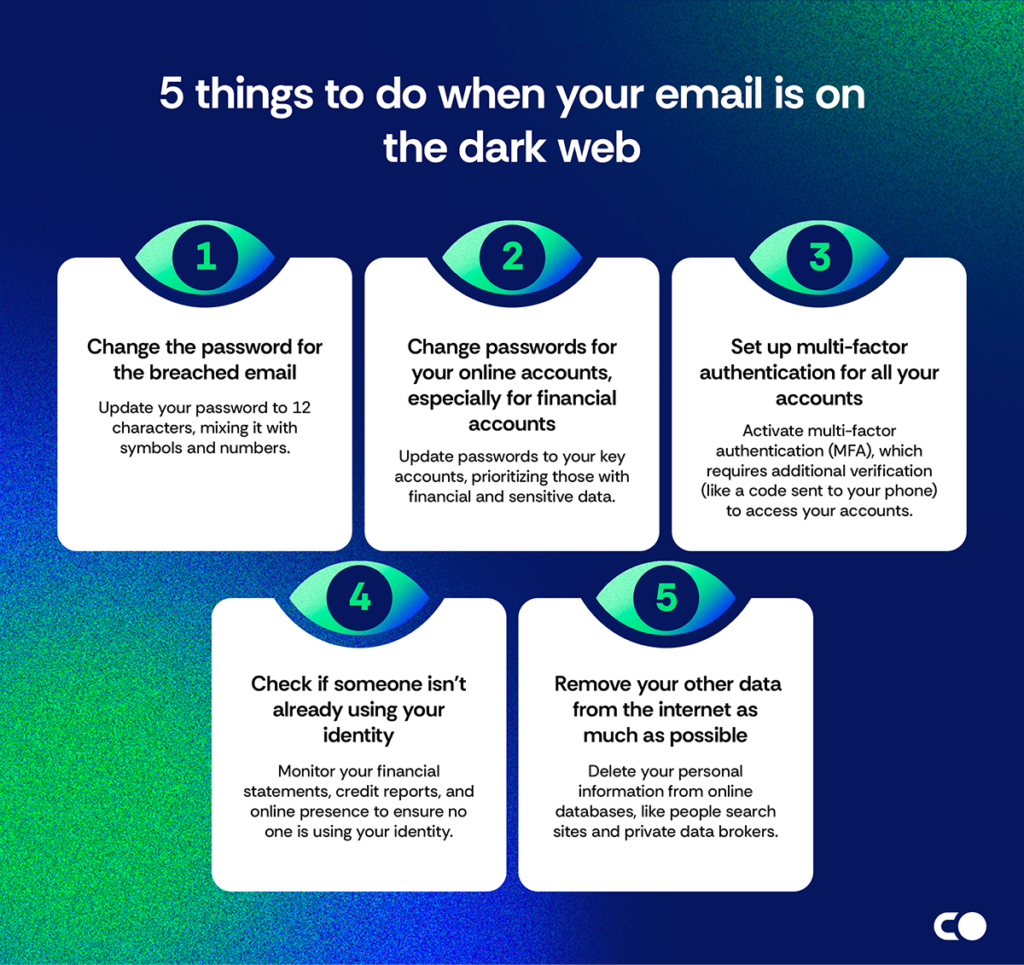
Urgency and Risks of Email Exposure on the Dark Web

It often means your information has been stolen. This introduction explains why speed and clear steps are your best defense. Seeing your personal email on the dark web is a warning sign. What do you do right away if this happens? Because an exposed email often triggers identity theft, financial scams, or account hacks, this question demands serious attention. Acting fast can save you from bigger problems (broadly speaking).
If your email shows up there, hackers might also have your passwords or other private info. The dark web is a hidden part of the internet where stolen data trades hands in secret. That’s bad news (as a rule). Criminals can launch phishing attacks or even take over your identity. The clock starts ticking as soon as your email pops up, with attackers racing to use what they found.
This article lays out tough, practical advice. No fluff, just actions you can take today. It’s easy to feel lost, but knowing what to do helps keep damage down. You’ll get clear steps on tightening security and handling any fallout. The tips come from the latest breach response methods.
Catching the problem early isn’t enough. You need to move fast:
- Change every password linked to your exposed email with strong, unique ones.
- Turn on two-factor authentication (2FA) anywhere it’s offered to block intruders.
- Check your email and connected accounts for odd activity or unknown logins.
- Alert your bank if your credit or payment info might be at risk.
- Think about signing up for identity monitoring services that track new threats.
These moves shrink the window attackers have. If you wait, your accounts can get hijacked, or money might vanish. Fixing identity theft often takes months of fighting back, and the stress runs deep. But quick, solid steps stop this chain early and completely.
What It Means If Your Email Is Found On The Dark Web
It shows how to confirm the leak, lock down your digital life, and report the crime to police or credit agencies when needed. The dark web stays a playground for thieves. Still, most people get alerts about exposed emails without clear how-to advice.
Beyond these basics, it’s smart to learn about defenses like SIM swap protections and long-term credit monitoring. These aren’t always talked about but are key. Attackers use stolen emails to pull off scams that go far beyond just email access.
Knowing what to do the moment you find your email on the dark web cuts your risk sharply and guards your identity’s future. This guide turns harsh facts into clear, doable steps. From here, you’ll get deeper into strong defenses, legal options, and ongoing monitoring so that no breach hides in the shadows.
Begin with proven actions. Millions get hit by cybercrime yearly, but reacting with clear knowledge changes everything. Starting these steps early turns a scary breach into a fixable problem. What follows will unpack these moves with sharp, practical detail. If you face this threat or want to be ready, these first moves are your lifeline for fast, full control.
If your email leaks on the dark web, this mix is your best hope to stop new damage and catch attackers before they spread chaos. Strong security resets, reporting the crime, and constant data watching form a triple shield. Starting with clear, targeted action isn’t optional—it’s key.
Immediate Steps to Take After Your Email Is Found
- SIM swap attack protection techniques
- Legal steps and reporting to authorities after email compromise
- Long-term credit and identity monitoring services overview
- How to identify and avoid phishing scams after dark web exposure
How To Verify Your Email Exposure Before Taking Action
Don’t jump straight into emergency moves. Knowing what to look for helps your reaction hit the target. Finding out what really happened first changes everything. If you skip the check, you might freak out over nothing or miss a real threat.
These scan forums, marketplaces, and dumps where stolen info travels. Start with trusted dark web monitors. Try Have I Been Pwned, Firefox Monitor, or paid ones like Experian’s Dark Web Scan. They let you type in your email to spot breaches. No single service sees it all, but comparing results from a few sharpens your picture.
Were passwords, social security numbers, or bank info included? Check what data leaked with your email. Sometimes just the email on its own is risky. But when the leak has more details, it means bigger trouble. This info shapes what you need to do next.
Here’s a checklist to sort out your email exposure:
- Put your email into trusted dark web scan sites to find breach history.
- Look at what kinds of data got exposed with your address.
- Note leak dates to figure out if old or still risky.
- See if the info shows up across multiple places—this confirms it’s real.
- Check for linked usernames or phone numbers that might be out there too.
- Stay alert for new activity involving your credentials on hacker boards.
Some alerts come from recycled lists or failed hacks that didn’t touch your active accounts. Confirming a breach means ruling out false alarms. Getting this right saves you from pointless password resets and lockdown headaches while focusing sweat where it counts.
Enable Strong Authentication and Password Security
This wider dig catches what automated scans miss. Beyond tools, poke around forums and law enforcement sites for big leaks involving your email’s domain. Doing this carefully gives you a solid base to plan — whether tightening passwords or watching for fraud.
In 2026, with data theft so common and sneaky, skipping verification isn’t on. Hackers reuse old stolen info fast. Knowing exactly what’s leaked nails down your exposure—no guessing. A 2025 report by US-CERT found that verifying breaches cuts identity theft chances in half and speeds containment. Solid proof also helps meet legal rules for breach reporting, lowering your liability.
Fixing problems without knowing what escaped, when, and how leaves holes for hackers to slip through. Verifying isn’t just a step—it’s the bridge from chaos to control. In cybersecurity, shifting from guesswork to evidence-based defense makes all the difference—this clarity is as vital as the data itself.
Immediate Security Actions After Email Exposure

Your email address hits the dark web. What you do next can limit damage and shield your digital life. Start with a clear, step-by-step plan that locks down accounts and guards your identity before attackers strike again.
- Change Your Email Password to a Strong, Unique One
A leaked email means your old password might be exposed. Create a new password with at least 12 characters—mix uppercase and lowercase letters, numbers, and symbols. Don’t reuse passwords or recycle any old ones. A password manager helps generate and store strong, unique passwords safely, cutting down human errors and forgetfulness.
- Enable Two-Factor Authentication on Key Accounts
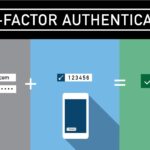
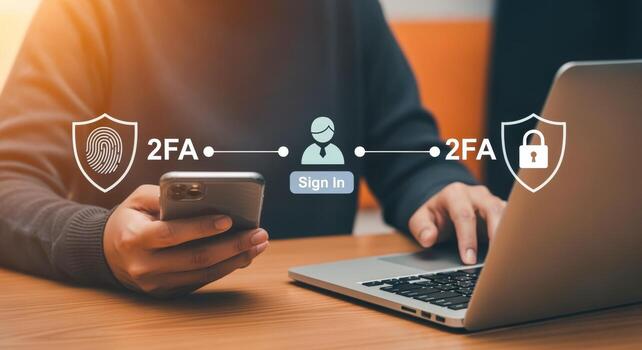
Two-factor authentication (2FA) adds a vital extra layer. Switch it on for your email, social media, banks, and anything with sensitive details. 2FA means logging in needs a second step—often a code sent to your phone or generated by an app. This blocks unauthorized access even if your password leaks.
- Audit Account Activity for Suspicious Logins
Many services show recent login locations and devices. Scan these immediately for anything unfamiliar. Spot something strange? Change your password again and kill active sessions. Some email providers alert you to new device access—turn on these warnings to stay ahead of intruders.
- Secure Linked Accounts Using Your Email Address
Your email doubles as a username or recovery option, so hackers might poke around connected accounts. Check social media, shopping sites, banks, and subscriptions tied to your email. Look for changes in payment methods or device access that don’t match you. Reset passwords on these accounts where you can to block sideways attacks.
- Scan Devices and Networks for Malware
Your devices might harbor malware or keyloggers waiting to steal credentials once your email leaks. Run full antivirus and antimalware scans on phones, tablets, and PCs used for sensitive tasks. Avoid public Wi-Fi when doing this to sidestep interception risks.
- Update Password Recovery Options and Security Questions
Hackers who gain partial access often try password resets through recovery tools. Review and update your recovery emails, phone numbers, and security questions. Use answers only you know and avoid common trivia like pet names or birthdays. Replace any outdated or possibly compromised contact points.
- Notify Contacts About Potential Phishing Attacks
Cybercriminals often target your contacts after email leaks. Alert close friends, family, and colleagues that your email was exposed. Tell them to watch for odd links, attachments, or messages that might seem to come from you. This heads-up blocks scams spreading through your name.
- Monitor Credit and Online Profiles for Identity Theft Signs
Leaked emails can trigger identity theft. Sign up for credit monitoring services that flag new accounts or credit checks in your name. Track your online profiles for sudden changes or bogus accounts. Some services combine credit tracking with identity alerts at reasonable prices.
- Enable Account Recovery Alerts
Email providers and apps often send recovery alerts to backup emails or phones. Turn these on to catch any password reset attempts or ownership changes. Quick response to alerts can stop lockouts or stolen data.
- Consider Using a New Email Address for Critical Accounts
If your compromised email is widely exposed or threats persist, think about a fresh email for important accounts—like banking, work, or government sites. Move gradually and make sure security settings and recovery options transfer properly. This clean break cuts off attackers holding old credentials.
- Change Passwords on Other Online Accounts Sharing the Same Password
People reuse passwords too much. A leaked email-password combo can open many doors. Track down and update all accounts using that password with strong, unique ones. Past breaches prove password reuse massively ups your risk—breaking the habit lowers it long term.
- Avoid Clicking Links or Downloading Attachments from Unexpected Emails
Hackers might run phishing attacks from your exposed email. Be wary of odd emails—even if they seem from people you know. Check sender details carefully before clicking links or opening attachments. Modern phishing often uses personal info to trick you better.
This loose but urgent blueprint covers key technical moves that soften damage after email exposure. It puts control back in your hands before hackers exploit the window. The key is swift, steady action—each step cutting entry points and shoring up your defenses.
Taking these steps fast helps fight not just the leak itself but follow-on attacks like SIM swapping and account theft. The real test is constant watchfulness with regular security refreshes. These layers team up, turning your accounts into a tough nut for cyber foes.
For deeper details on strong authentication and how well it works, check the National Institute of Standards and Technology’s guide on digital identity management National Institute of Standards and Technology Digital Identity Guidelines. It shows why immediate use of 2FA and tight password rules should be non-negotiable after any credential leak.
Don’t wait. The hours and effort you invest today pay off in making your accounts durable against what’s coming. Acting quickly when your personal email shows up on shady sites saves your future online.
Protect Against SIM Swap Attacks

Your email turns up on the dark web. That changes how well they work after your data leaks. If you know the right moves, you’re ahead. Some identity protection services scan for breaches, send quick alerts, and help you fix damage. But they’re not all the same. They differ in features, price, and how much they cover.
- LifeLock by Norton
LifeLock covers a wide range of identity theft and dark web scans. It hunts through millions of websites, chat rooms, and shadowy spots where stolen info floats. Spot your email or data? It pings you via app and email, right away. Extras include credit checks, public records scans, and automated help with disputes. Prices start at $10 a month for basic protection, scaling up to about $35 for premium plans that toss in deep credit reports and top-tier recovery support. No lifetime guarantee here, but there’s a 60-day money-back window. LifeLock’s edge is blending expert recovery help with broad tracking reach.
- Experian IdentityWorks
Experian’s IdentityWorks scans the dark web, deep web, and hacker forums for your credentials. It hooks alerts directly into Experian’s credit monitoring systems. Three-bureau credit tracking comes with pricier plans, costing near $20 a month. Basic plans run about $9, focusing on fraud alerts and ID monitoring. It helps freeze credit files and offers fraud resolution, vital if you must report issues to police or banks fast. Their identity restoration team stays ready 24/7. With breaches going undetected for over 200 days on average, that round-the-clock support matters.
- Have I Been Pwned? (HIBP)
HIBP is a free tool that checks if your email appears in known breaches. It doesn’t monitor continuously or fix problems. Instead, it’s a direct lookup from breach databases. For enterprises, premium API access is around. But for individuals, it means you have to watch manually or set up third-party alerts using its data. No ongoing protection, just immediate exposure checks.
- Aura
Aura takes a layered approach. Dark web monitoring plus social media watches. It throws in VPN access within premium plans and tools to lock down your online accounts. Plans start near $15 monthly, nicely priced against competitors. It delivers alerts for suspicious events beyond just the dark web — credit card fraud attempts and bank account changes, too. Aura’s team guides victims through identity theft recovery, handling complicated cases fully.
- SpyCloud
SpyCloud mostly helps companies but has some consumer options. It dives deep into dark web markets where criminals trade data. The service spots stolen passwords before hackers can use them. Individual plans from $20–$30 monthly come via partnerships. SpyCloud warns against account takeover and SIM swapping by flagging exposed passwords tied to your email. That early warning is a lifesaver for switching on multi-factor authentication or changing passwords fast.
- IdentityForce
IdentityForce packs credit monitoring from all three bureaus and dark web scans into its offerings. Plans start near $20 a month. Higher tiers cover families and track Social Security number changes. It sends automatic alerts for weird activity like suspicious loans or financial account tweaks. By linking dark web scanning with credit risk signals, it helps spot fraud patterns hitting your email security.
- Competing platforms Dark Web Monitoring
Rival tools is mainly a password manager but adds dark web monitoring in its premium version. Cost? Just $3 per month. It constantly scans breached databases for exposed emails and password leaks. The angle is tight password hygiene — push users to fix compromised credentials pronto. Plus, it plugs into the Nord Security setup offering VPN and antivirus, guarding your digital identity on all fronts.
How These Services Aid in Email Compromise
People often freeze after that dark web alert. These services jump in first by:
- Alerting Users Early: They catch breach signs fast, sometimes before thieves can act. Notifications hit apps and texts, speeding your response time.
- Providing Recovery Assistance: Identity restoration pros guide you through credit bureau disputes and reporting fraud to law enforcement.
- Preventing Account Takeovers: Watching for exposed passwords means you can swap them out quickly, dodging phishing tricks and SIM swap attacks.
- Offering Credit and Identity Monitoring: Ongoing checks spot fraud signs like fake loans or credit pulls that might appear after email exposure.
- Educating Consumers: Dashboards often advise simple security steps—like turning on multi-factor authentication or changing passwords regularly.
Your choice hinges on how sensitive your data is, if you want credit monitoring, and the cash you can spare (roughly). Prices range all over: some services are free or under $10 monthly, while full identity protection packages hit $30–$35 per month.
Use these services alongside personal caution and legal precautions for SIM swap protection. If your email’s on the dark web, a solid monitoring setup is non-negotiable. They turn breach alerts into real action—cutting harm and rebuilding your digital defenses. The mix of tech, expert help, and credit insight makes up modern identity defense where dark web leaks lurk.
The U.S. Federal Trade Commission’s identity theft resources list key steps for reporting and recovery after data leaks, spotlighting why these monitoring tools are so key.
Preventative Measures to Avoid Future Exposure
This isn’t just about quick fixes. If your email hits the dark web, what you do next can save you from bigger trouble. If your personal info leaks, cutting your digital footprint fast is urgent. It’s building a wall around your online life so it doesn’t happen again. Strong passwords, sharp email habits, and always watching your accounts all come into play.
- Use Unique, Complex Passwords for Every Account
Never reuse passwords. Mix uppercase, lowercase, numbers, and symbols without falling into easy patterns or familiar words. One breach won’t topple everything if every password stands on its own. Password managers help by creating and holding tough passwords so you don’t have to memorize or scribble them down on sticky notes.
- Enable Multi-Factor Authentication (MFA) Everywhere Possible
MFA throws an extra lock on your accounts. Usually, it’s a code sent to your phone or made by an app. This stops most hackers even if they get your password. Beware of SIM swap scams, where crooks steal your phone number to grab those codes. Apps like Google Authenticator or a hardware key are stronger guardians than texts alone.
- Regularly Review and Update Passwords on High-Risk Accounts
Focus on email, bank, doctor, and shopping sites. Change passwords every three to six months. That shrinks the time crooks have to use any leaked logins. Some pros argue against strict rotations, but swapping out vulnerable or vital passwords often can make a real difference.
- Limit Email Exposure in Public and Semi-Public Spaces
Don’t toss your main email on social media, forums, or places bots scrape. Use different emails or contact forms on public sites. Set up a separate email just for sign-ups, newsletters, and shopping so your private inbox stays safer.
- Employ Disposable or Temporary Email Addresses for One-Off Needs
Burner emails let you register without flashing your real one. These cut down the chance your main inbox leaks online or piles up spam. Pair them with filters that trash junk mail automatically.
- Verify Website Authenticity Before Entering Credentials
Phishing tricks catch many victims. Always double-check URLs, avoid strange email links, and log in only on official, HTTPS sites. Bookmarking key sites cuts the risk of landing on fake pages dressed as your bank or social media.
- Monitor Your Email and Identity Using Trusted Services
A one-time dark web check isn’t enough if your email lives there. Subscription services like Experian’s ID protection or dark web monitors scan sprawling databases and alert you fast if they spy suspicious leaks. They often bundle credit checks to catch fraud linked to stolen emails.
- Keep Software and Systems Updated at All Times
Hackers love outdated software—they exploit security holes that patches fix. Always update your OS, browsers, antivirus, and apps to block routes criminals use to steal passwords or install malware.
- Educate Yourself on Social Engineering Tactics and SIM Swap Risks
Crooks often dodge tech defenses by fooling phone companies or customer reps into handing over your number. Know how SIM swaps work and act fast if you lose SMS or call access; it could save your email and other accounts from full takeover.
- Establish Fraud Alerts and Credit Freezes When Needed
If your leaked email comes with other personal data like your Social Security number, set fraud alerts or freeze credit with the three big bureaus. It puts up walls against criminals trying to open accounts under your name.
These steps cut the chances your email pops up again on the dark web—or at least shrink the time crooks can use stolen info. This layered defense also shields banking, social media, and healthcare sites where identity theft can cause real damage. The National Institute of Standards and Technology’s cybersecurity guidelines back this up, pushing strong authentication and constant watchfulness. They spell out why these moves matter when you guard your digital self. NIST Digital Identity Guidelines offer solid advice shaping how trusted online security works today.
Essential Actions and Vigilance After Email Exposure
Your email pops up on the dark web. Acting sharp cuts the chances of serious damage. That’s a red flag right away. Delay, and you risk your identity getting stolen or your money drained. Scammers move fast when they find leaked data.
Start here:
- Change your email password immediately. Make it strong and unique. If you’ve been recycling passwords, switch every account.
- Turn on multi-factor authentication (MFA). It stops SIM swap attacks and thwarts sneaky logins dead in their tracks.
- Inspect every linked account — banks, socials, online stores — for unusual activity. Log out of any unknown sessions immediately, if possible.
That record can open up investigations and support channels. Next, report the breach to the Federal Trade Commission (FTC) or your country’s cybercrime office. Also, sign up for credit monitoring (as a rule). These services alert you the instant someone applies for credit in your name. Many charge under $100 a year and now include dark web scans as part of their packages.
Watch your bank statements and email for strange alerts or password reset links you didn’t request. Keep your software patched; outdated devices are prime targets. This isn’t a one-and-done fix but an ongoing vigilance game. Follow government cybersecurity sites for the latest intel—threats mutate relentlessly.